Gwangjin-gu, Average Score of 67.7 in Public Satisfaction Survey on District Administration during the 8th Elected Term
Dissatisfaction with District Administration at 2.8%, Positive Evaluation of ‘Happy Gwangjin Public Satisfaction’
Expressed Expectations for Gwangjin’s Development Created Together with Residents through Communication
[Asia Economy Reporter Park Jong-il] Gwangjin-gu (Mayor Kim Kyung-ho) has been evaluated as having made a good start in the 8th elected term.
In the ‘2022 Happy Gwangjin Public Satisfaction Survey’ conducted to understand residents’ expectations, directions of district administration, and administrative demands by sector at the beginning of the 8th elected term, the overall evaluation of district administration scored an average of 67.7 points.
Regarding the overall evaluation response rate of the district administration, 40.8% responded ‘Doing well’, 56.4% ‘Average’, and 2.8% ‘Not doing well’.
The district paid attention to the fact that the dissatisfaction rate was only 2.8% in this survey. The dissatisfaction rate of 2.8% is 5.7% lower compared to the 7.8% dissatisfaction rate in 2021.
This is evaluated as the inconveniences felt by residents being resolved within a short period since the launch of the 8th elected term, which has not yet reached half a year. It also indicates that residents’ trust in the administration has increased.
Additionally, 35% responded that communication with residents during the 8th elected term is ‘Going well’, and 26.4% felt that the district administration has ‘Changed’ in terms of perceived changes.
The survey was conducted by Gallup Korea, targeting 1,000 residents aged 18 or older living in Gwangjin-gu, from November 29 to December 15 of last year.
The survey covered five areas: ▲ Awareness and interest in district administration ▲ Six core strategies of Gwangjin-gu during the 8th elected term ▲ Perceived changes during the 8th elected term ▲ Factors for Gwangjin-gu’s development ▲ Residential satisfaction, with detailed items investigated through face-to-face interviews.
To assess awareness of the 8th elected term projects, the survey was divided into six fields and 20 projects: balanced development, win-win welfare, economic vitality, culture and education, safety and environment, and open communication. Among these, the opening of Achasan Forest Library (52.5%), flu vaccination care services for vulnerable and elderly living alone (46.6%), creation of banner-free streets (26.5%), and approval of commercial area expansion around Gunja Station (22%) showed the highest awareness in each project area.
Regarding priority areas for Gwangjin-gu to promote and review first, urban planning for urban development and regional balanced growth (28.7%), regional economic revitalization including abundant job creation (20.9%), and expansion of welfare services and facilities such as health and medical care (16.2%) were ranked in order.
Based on the survey results, the district will reflect the findings in establishing the 8th elected term district administration plan. Annual public satisfaction surveys will be conducted to increase residents’ awareness of the district’s key projects and to improve and supplement policies.
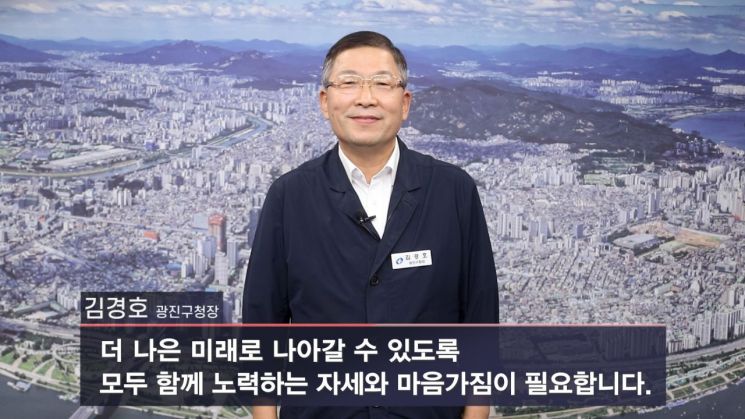
Kim Kyung-ho, Mayor of Gwangjin-gu, said, “This public satisfaction survey provided an opportunity to grasp residents’ perceptions and thoughts about district administration. We will re-evaluate all areas of district administration at this point, build a year-by-year database, view things from the residents’ perspective, communicate with residents, and lead changes in Gwangjin that residents can feel.”
© The Asia Business Daily(www.asiae.co.kr). All rights reserved.

















