Contained in 'Archives Korea 1930-1940'
British sources acquired in Canada... Includes many rare scenes
"Multiple cameras and early color standards enrich the footage"
James Henry Morris (1871?1942) was an American facility entrepreneur who contributed to the first tram operation in Joseon. From the 1920s, he expanded his ventures into film distribution and automobiles. He also built friendships with diplomats from various countries residing in Joseon and led missionary activities. His footprints are fully preserved in seven reels of 16mm film. This footage collection is titled 'Archives Korea 1930-1940.' The Korean Film Archive acquired it in 2020 from the United Church Archives in Canada. With a runtime of 5 hours and 14 minutes and containing many rare scenes, it is highly valued as a documentary record of modern and contemporary Korean history.
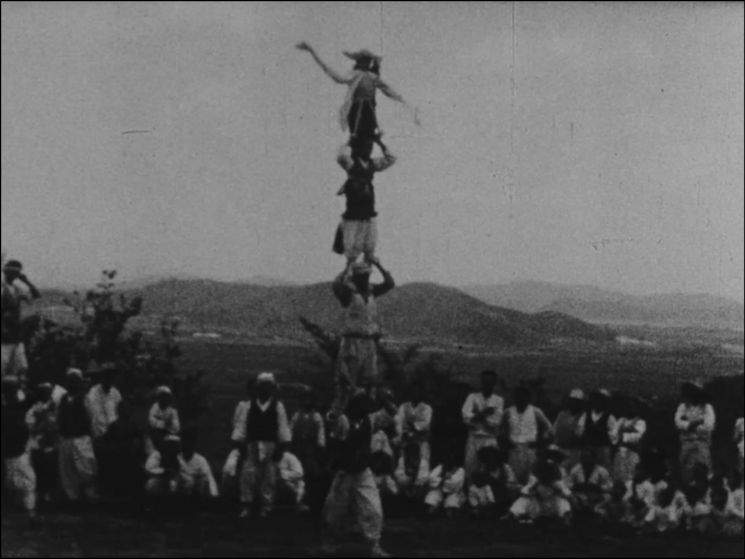 '4-story Mudong' from Cheongnyong-ri Namsadang Troupe (presumed) Pungmul Nori featured in 'Archives Korea 1930-1940.' A child climbing to the top floor (estimated 1935)
Morris captured scenes of the time using multiple cameras simultaneously. These include the 50th anniversary celebration of Ewha Hakdang (1936), the American Southern Presbyterian mission base in Jeonju and the Canadian Presbyterian mission base in Pyongyang (both 1933?1935), the Gyeongseong Shrine’s Buddha’s Birthday Grand Festival and Joseon Shrine Yejae Procession (1936), the garden party at the British Embassy in Jeongdong commemorating the British Empire Day (1937), and the Japan-Finland friendly athletics competition (1932). He also documented aspects of traditional culture and nature during the Japanese colonial period, such as the creation of the peony flower bed at Deoksugung Palace (1937), events in the rear garden of Gyeongbokgung Palace (1929, 1935), the scenery of Chundangji Pond in Changgyeongwon, cherry blossom viewing, playground facilities near Pagoda Park and Jeongdong, as well as the Bakyeon Waterfall and Gomodam Pond (dates unknown).
This treasure-like footage can be viewed through the Korean Movie Database (KMDb) collection service operated by the Korean Film Archive. From June 26, 113 documentary films capturing modern and contemporary Korea from the early 1900s to around 1950 are being released sequentially. These materials were excavated and collected over the past 30 years from ten countries, vividly conveying Korean lifestyles, folk culture, natural landscapes, and urban scenes.
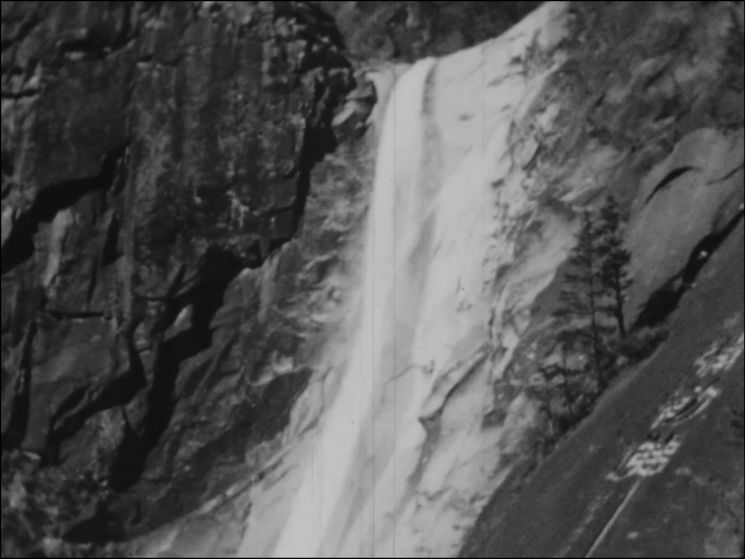
In addition to 'Archives Korea 1930-1940,' viewers can enjoy the spectacular scenery of Geumgangsan in films such as Nikkatsu Tokyo Studio’s 'Aerial Filming of Geumgangsan (1930),' Kyoto City Elementary School Inspection Group’s 'Manseon Travel (1932),' Bernard Leach’s 'Korea Visit Travel Footage (1935),' and the Japanese Ministry of Railways International Tourism Bureau Film Department’s 'Tokyo-Peking (estimated 1939).' Early 1900s Joseon landscapes are captured in Button Holmes’ 'Unique Korean Culture (1901, 1913)' and 'The One and Only City Seoul (1917),' Path? Fr?res’ 'The Land of the Morning Calm: Korea (1908),' and the American Museum of Natural History’s 'Gyeongseong Documentary Film (estimated 1910).'
Films such as the United States Information Service’s 'Korean Rural Life (1948),' Colin Ross’ 'The World Seen Through a Camera (1925),' the Government-General of Korea’s 'Royal Family Classics (1931),' and George Aubrey Gower’s 'Korean Documentary Films (1931?1935)' showcase traditional dances popular at the time, including Hwarang Changgeuk, Chunhyangjeon dance drama, gisaeng dance, Cheoyongmu, and Seungmu. There are also films highlighting the rice farming process of Koreans, such as Fred Els and Ruth Els’ 'Korean Farming: An Oriental Epic (1932)' and Zachariah Berkowitz’s 'Pyongyang Folk Customs (date unknown).' Some films cover historical figures or events, including Albert Kahn’s 'Prince Youngchin’s Trip to France and Emperor Sunjong’s Funeral Procession (1927),' Myeonghyehoe and San Office’s 'Memorial Films of Crown Prince Euin and Lady Yi Bangja (1908?1970),' Asahi Shimbun’s 'Arrest of An Jung-geun (1909),' and Gomong’s 'Funeral of Baekbeom Kim Gu (1949).'
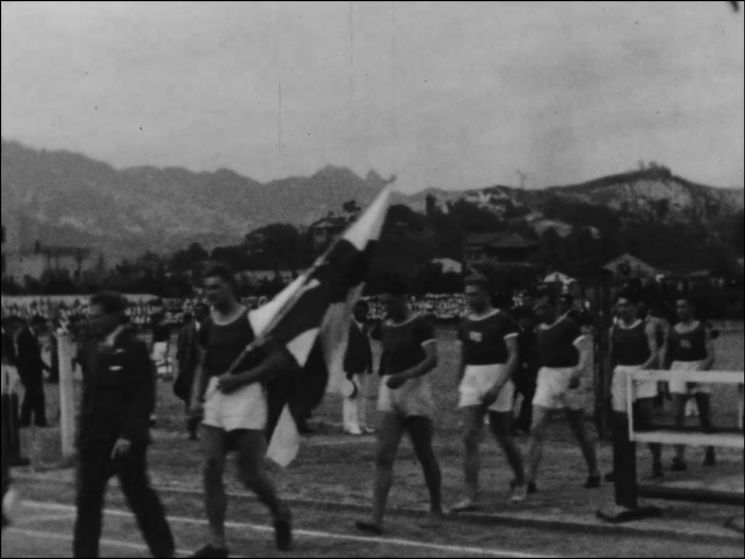 The Japan (Joseon)-Finland friendly track and field match featured in 'Archives Korea 1930-1940'. It was held at Gyeongseong Stadium on September 22, 1932.
Senior researcher Kim Ki-ho of the Korean Film Archive said, "This is the first time that films on such diverse subjects from that era have been gathered and released in the best quality," adding, "We increased research accuracy by tracing production information and copying traces of the original films themselves." He also noted, "In the case of 'Archives Korea 1930-1940,' early color standards were introduced, making the footage even richer," and expressed confidence that "it will serve as an excellent reference for researchers in various fields such as Christian missionary work, urban history, educational history, hospital history, and folklore studies."
© The Asia Business Daily(www.asiae.co.kr). All rights reserved.



















