[Asia Economy Reporter Cha Wanyong] As the real estate market downturn intensifies, an overall information asymmetry phenomenon is occurring in the pre-sale market. The practice of intentionally inducing subscription shortfalls, known as ‘kkamkkami pre-sale,’ has become widespread, and the ‘kkamkkami contract rate,’ which hides low contract rates to secure contracts from preliminary subscription winners, is becoming normalized. Although these kkamkkami issues emerge every time during real estate downturns, raising concerns about consumer harm, they have hardly been improved.
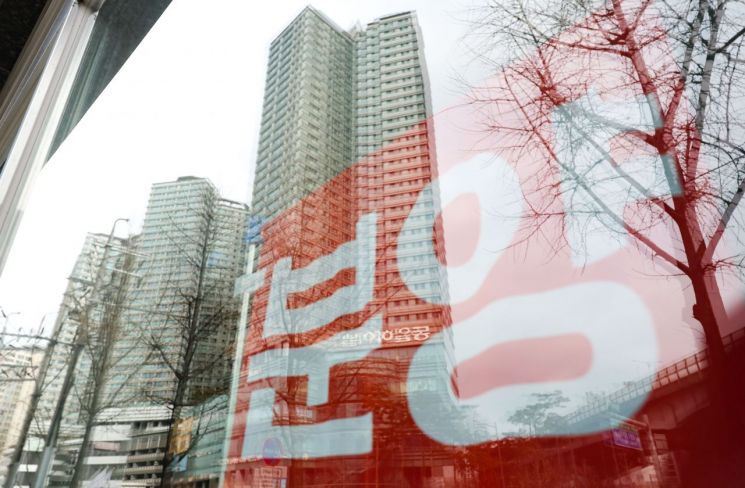
Kkamkkami Pre-sale Has Now Become the Norm
According to the construction and development industry on the 27th, the number of kkamkkami pre-sale projects, which do not promote apartment pre-sale schedules in advance and proceed with only mandatory announcements before immediately starting subscriptions, is increasing. This method, which was prevalent during real estate downturns, was mainly used in small officetel and apartments in small provincial cities, but recently it has spread nationwide, including metropolitan cities and the Seoul metropolitan area.
The reason kkamkkami pre-sales are prevalent is due to concerns about the ‘unsold stigma.’ If low contract performance is disclosed externally, it can lead to long-term unsold inventory or negatively affect the apartment brand, causing significant repercussions.
As a result, many projects openly conduct kkamkkami pre-sales. They do not carry out any pre-sale promotions until the subscription day and then start full-scale promotions just before conducting non-priority subscriptions. Since non-priority subscriptions do not require using subscription savings accounts, it is easier to attract demand, making this practice widespread.
In fact, apartments that appear to have conducted mandatory subscriptions for kkamkkami pre-sales can be easily found on the Korea Real Estate Board’s Subscription Home website. Representative examples include E Apartment in Seosan, Chungnam, which started subscriptions on the 25th, and M Apartment in Yeongjongdo, Incheon, which held subscriptions last month. These apartments did not conduct significant promotions before subscriptions, resulting in only 1 and 3 applications respectively in the first and second priority subscriptions. Afterwards, they began promotional activities for unsold units, focusing on telemarketing and unit number designation to boost promotions.
A representative from a pre-sale company said, “Currently, unless it is a core area in Seoul or the metropolitan area, unsold units are inevitable in the pre-sale market. From the developer’s perspective, saving on promotion and marketing costs and conducting non-priority subscriptions with discounted sales is more effective for pre-sales.”
He added, “In fact, nowadays, consumers know all the information through platforms like Subscription Home, so it’s not really ‘kkamkkami.’ You can just consider that most places with poor locations use this method (kkamkkami) for pre-sales,” he explained.
Can We Trust the ‘Kkamkkami Contract Rate’ Known Only to Suppliers?
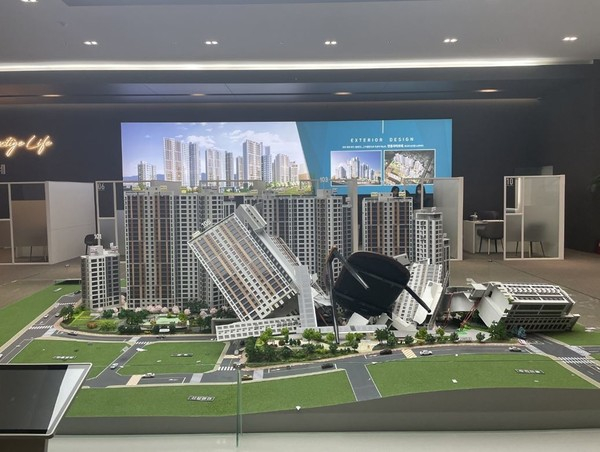 In May of last year, at Daegu City's 'Manchon Jaileune' complex, consumers suffered damages due to inflated contract rates during the sales process.
 [Photo provided by online community]
Recently, even in core areas of Seoul, the non-disclosure of pre-sale contract status, known as the kkamkkami contract rate, has sparked controversy and is criticized for distorting the market.
For consumers, the contract rate is an important indicator to judge the current pre-sale market and decide whether to purchase a home, but if suppliers refuse to disclose it, consumers have no way to verify it.
Under current law, private apartment projects are not obligated to disclose pre-sale contract rates. As a result, most apartment complexes do not officially reveal the initial contract rate during the formal contract period, nor the contract rates accumulated through preliminary winner contracts or non-priority subscriptions.
Consumers have suffered damages due to kkamkkami contract rates in various cases. In May last year, at ‘Manchon Jaileune’ in Daegu, Mr. A, who won the subscription, signed a pre-sale contract after hearing at the model house that “the current contract rate is 30% and there are few royal floors left,” but it was later revealed that the actual contract rate was only 16%. Mr. A requested contract cancellation but was refused and ended up damaging some of the apartment models displayed at the model house.
Last month, ‘Jangwi Radiant Ja’ in Seoul also became embroiled in controversy after some union members and sales staff claimed “the contract rate reached 90%,” but the actual contract rate was confirmed to be only 59%. Similarly, ‘Olympic Park Foreon’ in Dunchon-dong has not officially disclosed its contract rate, causing confusion among consumers. Some even suspect that this is an attempt to hide a sales failure.
The market fears that the negative effects of non-disclosure of contract rates may increase in the future. This is because the government designated all areas except the three Gangnam districts and Yongsan-gu in Seoul as non-regulated areas on the 3rd. In non-regulated areas, non-priority subscriptions can be conducted on their own websites instead of the Korea Real Estate Board’s Subscription Home, removing the obligation to disclose contract rates or remaining unit numbers.
Han Mundo, adjunct professor at Yonsei University Graduate School of Political Economy’s Department of Finance and Real Estate, said, “Kkamkkami pre-sales and contract rates have always been problematic during real estate market downturns. Consumers need to make decisions based on market logic, but since suppliers block information and disrupt the market, improvements are necessary.”
© The Asia Business Daily(www.asiae.co.kr). All rights reserved.


















