Heating bills rose 37.8% in one year
"Doubled compared to last month," complaints voiced
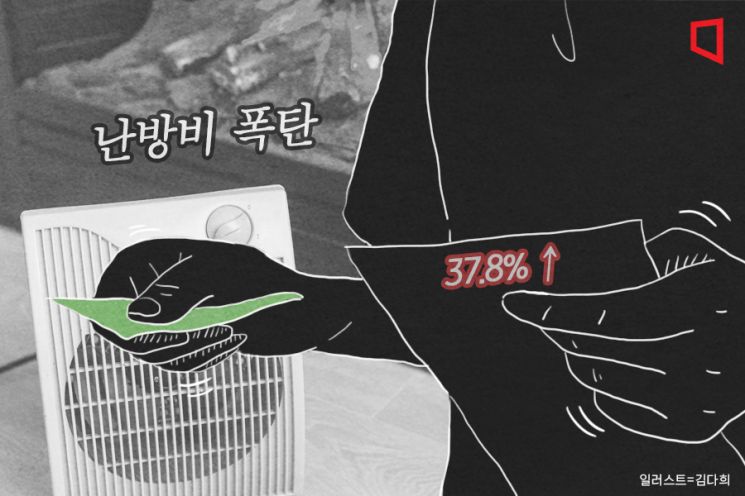
The soaring 'heat charges (hot water and heating fees)' are increasing the financial burden on ordinary households. Some citizens are expressing frustration, saying they have been hit with a "heating bill bomb," and are sharing various ways to save on heating costs.
"No matter how much we do, it's too much" - consecutive posts confirming heating bill shocks
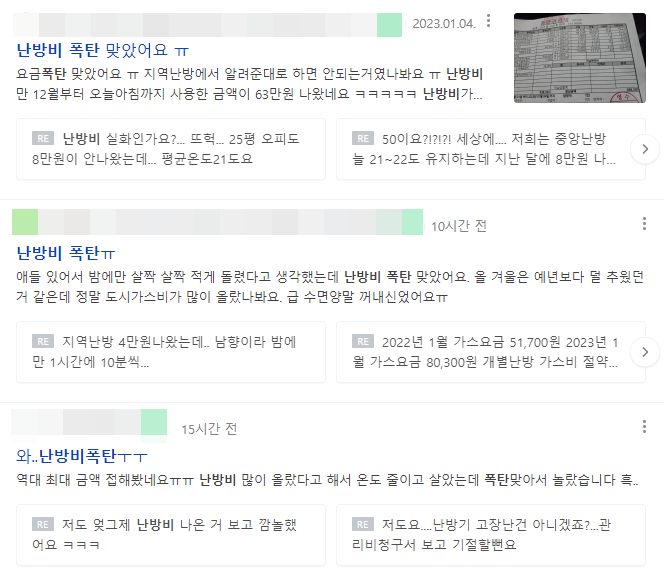
Recently, posts confirming 'heating bill bombs' have been continuously appearing on online communities. On the 20th, a netizen posted on a mom cafe in the Ilsan area of Gyeonggi Province, saying, "I checked the heating bill and turned off the boiler in the small room," adding, "Even though the heating bill increased, I couldn't set the boiler temperature high and kept it at 21~21.5 degrees Celsius. However, the heating bill rose by 200,000 won compared to last month. Compared to last year, it increased by about 120,000 won. Even though it's the top floor, this is too much," they lamented.
According to the bill posted by the netizen, the December household heating fee was 310,610 won, which is about 51% higher than November's 205,380 won.
Heat charges are fees calculated by measuring heating and hot water usage with meters, and the Korea District Heating Corporation sets these fees linked to city gas prices. Heat charges have been raised repeatedly due to soaring international energy prices caused by energy supply shortages from the Russia-Ukraine war last year and a surge in demand after the COVID-19 pandemic. According to the Korea District Heating Corporation, last year, residential heat charges increased three times per megacalorie (Mcal): from 66.98 won in April to 74.49 won in July, and then to 89.88 won in October. Compared to before the increase (65.23 won), this is a 37.8% rise.
The increased heating bills have deepened citizens' sighs. One netizen said, "I only turned on the boiler at night because I have children, but I was hit with a heating bill bomb," adding, "This winter seemed less cold than usual, but city gas prices seem to have risen a lot. Because of the increased heating bill, I hurriedly took out and wore sleeping socks."
Using insulation materials to reduce heating costs
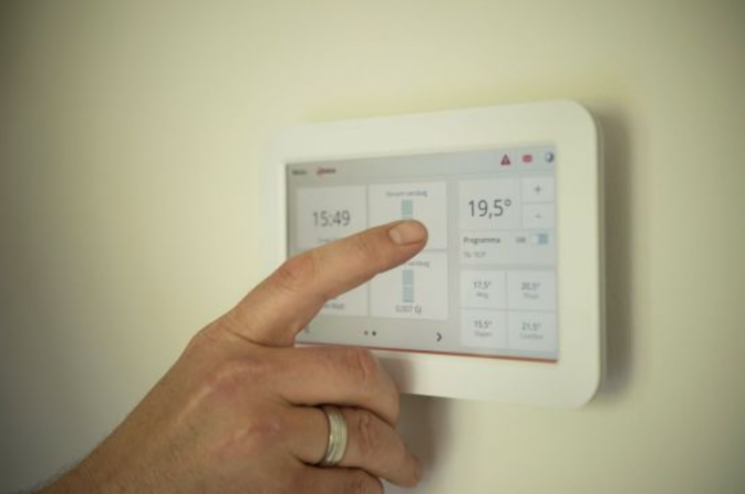
Some citizens are actively using insulation materials, hot water mats, and heaters to reduce heating costs. Applying insulation sheets to windows and sealing door gaps with draft stoppers in advance helps retain indoor warmth longer, which aids in saving heating expenses. The appropriate indoor temperature in winter is 18~21 degrees Celsius, and lowering the temperature by 1 degree can save up to 7% of energy.
As a result, the number of consumers seeking insulation products has increased. According to Gmarket, from the 13th to the 31st of last month, sales of insulation sheets and draft stoppers increased by 54% and 46%, respectively.
Meanwhile, the government plans to expand welfare discount support and raise the energy voucher amount to ease the burden on vulnerable groups due to this year's electricity and gas price hikes.
© The Asia Business Daily(www.asiae.co.kr). All rights reserved.
![Clutching a Stolen Dior Bag, Saying "I Hate Being Poor but Real"... The Grotesque Con of a "Human Knockoff" [Slate]](https://cwcontent.asiae.co.kr/asiaresize/183/2026021902243444107_1771435474.jpg)













