Consumer Agency and MFDS Investigate 294 Products
Tart Cherry Concentrate Products Also Fail to Improve Insomnia
[Asia Economy Reporter Kim Hyun-jung] It has been revealed that a significant number of sleep health-related products distributed domestically are advertised and sold as if they are effective for sleep, despite being general processed foods. In particular, products indicating melatonin content showed no effect on improving insomnia.
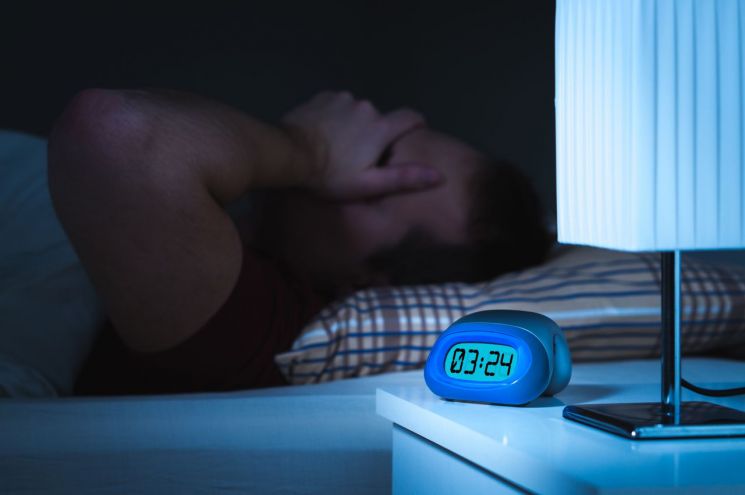
On the 19th, the Korea Consumer Agency (KCA) and the Ministry of Food and Drug Safety (MFDS) announced the results of an investigation into the labeling, advertising practices, and efficacy of sleep health-related products distributed domestically. This investigation targeted 294 sleep health-related products distributed in Korea (94 domestically manufactured and 200 imported through overseas direct purchase).
As a result of the investigation, 233 products, accounting for 79.3% of the 294 products (42 domestically manufactured and 191 imported), were found to be illegally or unfairly advertised in violation of the Act on Labeling and Advertising of Foods. Among the 233 advertisements violating labeling and advertising standards, 151 cases (18 domestic, 133 imported) used expressions such as "helps you sleep well" or "good for deep sleep," which could mislead or confuse consumers into believing these products are health functional foods or medicines with sleep-inducing effects.
Products containing melatonin, well known as the "sleep hormone," also showed no effect on improving insomnia. Among the 94 domestically manufactured products, six products using tart cherry (a type of cherry with lower sugar content and a sour taste compared to regular cherries) concentrate as an ingredient indicated melatonin content and advertised sleep benefits, but were found to have no effect on improving insomnia.
Additionally, the MFDS consulted a private advertising verification group composed of 90 doctors and professors, who expressed the view that "the melatonin content indicated on the products is low, making it difficult to expect insomnia improvement effects even if the products are consumed." Melatonin is a hormone secreted in the brain related to sleep, and for insomnia treatment, a professional prescription with a specified dosage and method is required. Patients with kidney, liver autoimmune diseases, pregnant women, and nursing mothers should exercise caution when taking it.
Based on the investigation results, the KCA plans to recommend correction or deletion of advertisements for 42 domestically manufactured products found to violate the law and request telecommunication sales operators to block the sale of these products through a regular business council involving the KCA and companies. Subsequently, the MFDS promptly blocked sales sites for 191 products with unfair advertisements distributed through overseas direct purchase.
The KCA and MFDS emphasized, "When selecting products to improve sleep quality, be sure to check for the health functional food certification mark." They also advised, "If you have insomnia, relying solely on food intake may delay treatment timing, worsen symptoms, and cause psychological side effects such as frustration and lethargy if treatment is ineffective. Therefore, consult a specialist from the beginning."
© The Asia Business Daily(www.asiae.co.kr). All rights reserved.
![Clutching a Stolen Dior Bag, Saying "I Hate Being Poor but Real"... The Grotesque Con of a "Human Knockoff" [Slate]](https://cwcontent.asiae.co.kr/asiaresize/183/2026021902243444107_1771435474.jpg)
















