Recovery to 95% of Pre-Pandemic Levels
"Asia Leads the Expansion of Tourism"
[Asia Economy Reporter Jeong Hyunjin] With China's relaxation of 'zero-COVID' quarantine measures as a turning point, global tourism demand this year is expected to surpass that of 2019, before the COVID-19 pandemic. Although the aviation industry, which has endured a tumultuous past three years, is increasingly optimistic about improved performance, the industry is actually facing a difficult situation due to aircraft shortages caused by supply chain disruptions.
"Overseas travel will recover to pre-pandemic levels"
The United Nations World Tourism Organization (UNWTO) recently predicted in a report that the number of tourists traveling abroad this year will reach 80-95% of the levels before the COVID-19 outbreak. According to UNWTO estimates, the number of passengers using international flights last year was 917 million, doubling compared to the previous year. However, this was only about 63% of the pre-pandemic level.
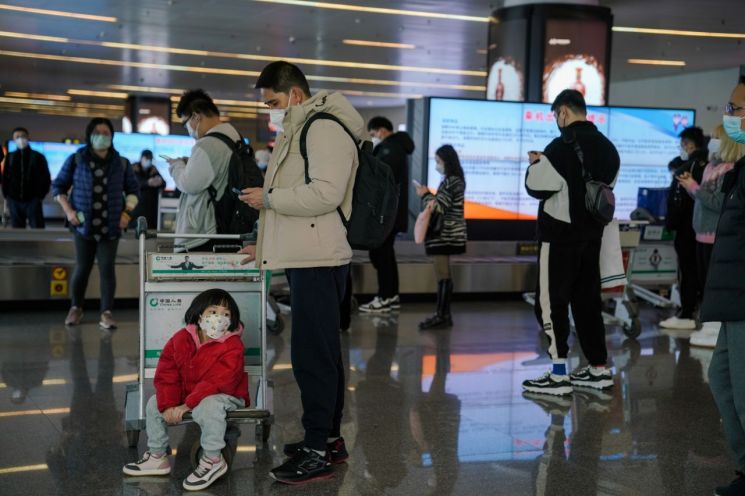
Asia is expected to lead the expansion of tourism this year. While Europe and the Middle East recovered to about 80% of pre-pandemic passenger levels last year, and the Americas rose to the 60% range, the Asia-Pacific region only recovered to 23%. UNWTO predicted that with China recently significantly easing COVID-19 restrictions, the tourism industry will recover not only in the Asia-Pacific region but globally this year.
However, due to entry restrictions applied to travelers from China mainly in Asia and Europe, as well as inflation leading to preferences for nearby destinations and shorter travel durations, the tourism industry's recovery may not occur rapidly, the report assessed.
Avalon, the world's second-largest aircraft leasing company, also forecasted in a report released on the 16th (local time) that global air travel demand will reach pre-pandemic levels by June this year, with Asia leading the growth. Avalon explained, "Nowadays, one out of every two additional seats airlines add is in Asia."
"Boeing and Airbus are overly optimistic... no excuse"
The problem lies in securing aircraft. As tourism demand is expected to increase with more tourists, airlines have been actively acquiring aircraft since last year. However, aircraft manufacturers Boeing of the U.S. and Airbus of France have faced production delays exceeding one year due to supply chain issues, failing to deliver aircraft on schedule. According to foreign media, new aircraft deliveries by Boeing and Airbus are on average 3 to 6 months slower than planned.
At a conference held from the 15th to 18th by Airline Economics, a UK-based aviation finance media outlet, senior industry officials voiced strong criticism.
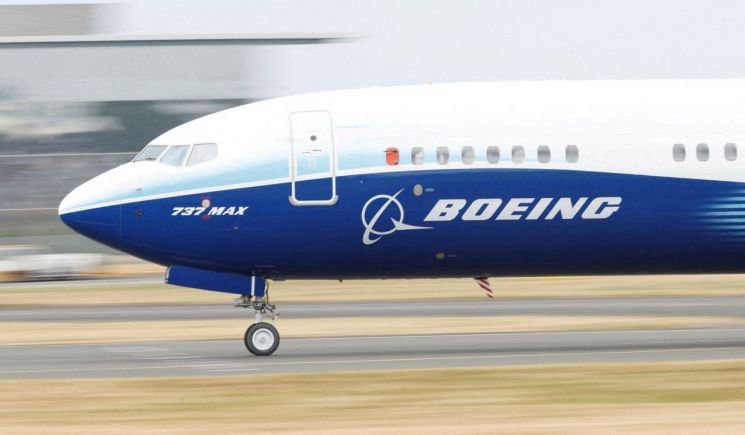
According to CNBC and others, Steven Udvar-Hazy, chairman of aircraft leasing company ALC, known as a giant in the aviation industry, criticized manufacturers' forecasts as significantly inaccurate at the conference. Anne Kelly, CEO of AirCap, the world's largest aircraft leasing company, also said at the same event, "This is an inexcusable situation. (Manufacturers) were overly optimistic about their production capabilities."
Earlier, on the 9th, Kelly revealed during the announcement of last year's results that 570 leasing contracts were signed over the year, confirming record-high aircraft demand. The aircraft contracted in 2022 are mainly scheduled for delivery and use this year and next. Kelly evaluated, "If there had not been strong demand visible to airlines, there would not have been so many leasing contracts."
Despite these criticisms that future demand was predictable, Boeing and Airbus explain that the current production delays are due to a combination of factors including the pandemic, supply chain problems, and the sudden rebound in travel demand.
As the situation unfolds, airlines are reportedly preparing to welcome customers by repairing older aircraft, Bloomberg reported on the 12th. According to the report, Germany's Lufthansa plans to bring back five Airbus SE A340 aircraft, each 20 years old, and prepare first-class seats ahead of the summer peak season.
Already, airlines such as Korean Air, Qantas, Etihad Airways, and Singapore Airlines have deployed the superjumbo Airbus A380, which had been facing retirement due to high maintenance costs, on their flights. Thai Airways, which announced in 2021 plans to gradually reduce use of the A380 and Boeing 747 jumbo jets, is reportedly considering reintroducing the A380 in 2024, Bloomberg reported.
© The Asia Business Daily(www.asiae.co.kr). All rights reserved.
![User Who Sold Erroneously Deposited Bitcoins to Repay Debt and Fund Entertainment... What Did the Supreme Court Decide in 2021? [Legal Issue Check]](https://cwcontent.asiae.co.kr/asiaresize/183/2026020910431234020_1770601391.png)

















