Economic Slowdown Dulls Flex and Yolo Trends
'Small Luxury' Enjoying Modest Indulgence
Premium Shampoo Gains Popularity Following High-End Cosmetics
Amidst shrinking consumer sentiment due to high inflation, a 'small luxury' trend is emerging among certain consumers. While flashy consumption such as 'YOLO' or 'flex' was once popular, now relatively affordable luxury lipsticks and perfumes are trending.
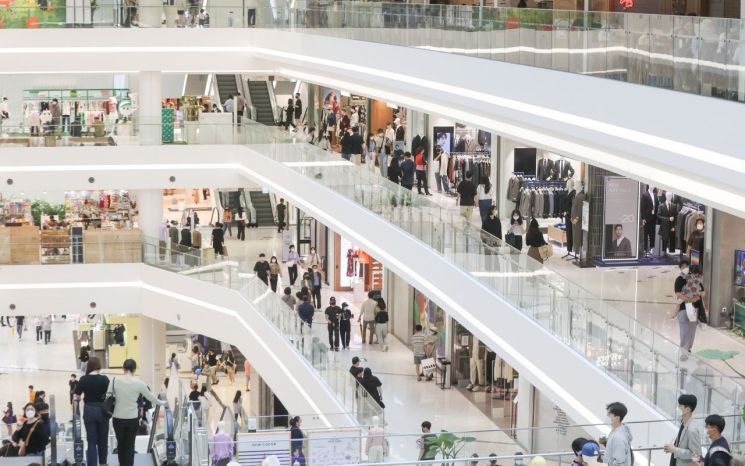
Consumers Choosing High-End Perfumes and Cosmetics Over Luxury Bags
As prices continue to soar daily, consumers' luxury spending is shrinking. According to a survey conducted by Lotte Members through the research platform 'Lime' from the 11th to the 25th of last month targeting 1,000 adults nationwide, 26.1% of respondents said they recently reduced luxury spending due to price burdens. Clothing and fashion accessories (25.8%) and electronics (11.6%) followed.
On the other hand, consumer interest in high-end cosmetics and perfumes continues. Especially among the MZ generation (Millennials + Generation Z), who are willing to invest in themselves, these products are highly popular.
This is also reflected in sales. Lotte Department Store surpassed 100 billion KRW in perfume sales for the first time last year and is breaking records again this year. Perfume sales from January to October reportedly grew 40% year-on-year, driven by consumers in their 20s and 30s.
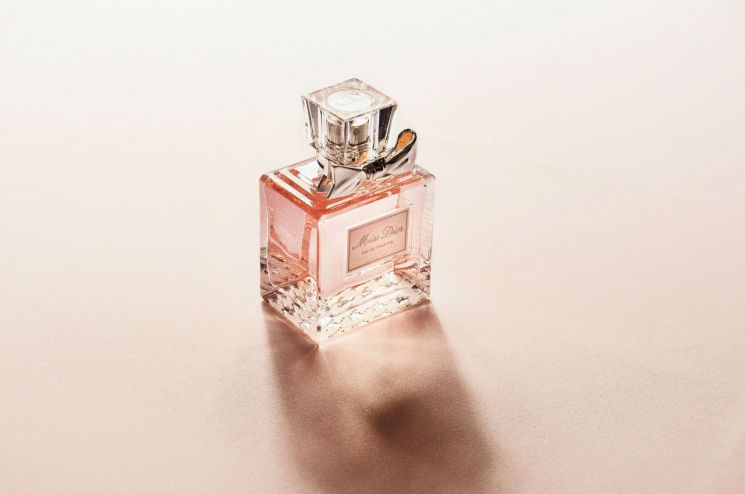
High-end cosmetics also maintain strong popularity. Premium cosmetics sold at CJ Olive Young saw a 38% increase in sales from January to November this year compared to the previous year.
This phenomenon is also called the 'lipstick effect.' It originated during the Great Depression in the United States in the 1930s when consumers tightened their wallets, yet lipstick sales significantly increased. In other words, during economic downturns, consumers derive greater satisfaction from purchasing small luxury goods like luxury lipsticks rather than spending large amounts on imported cars or luxury bags.
Premium Shampoos and Wine Also Gaining Popularity↑
As the 'small luxury' trend continues, high-end hair products are also gaining attention. The haircare brand 'Oribe,' known as the 'Chanel of shampoos,' has seen remarkable sales growth and even opened its first standalone popup store at Galleria Apgujeong.
According to Shinsegae International, Oribe's sales have increased by 360% over the past four years, with online sales surging 1,036% during the same period. Oribe's flagship product, the 'Gold Lust Shampoo,' costs around 200,000 KRW per bottle (based on 1000mL).
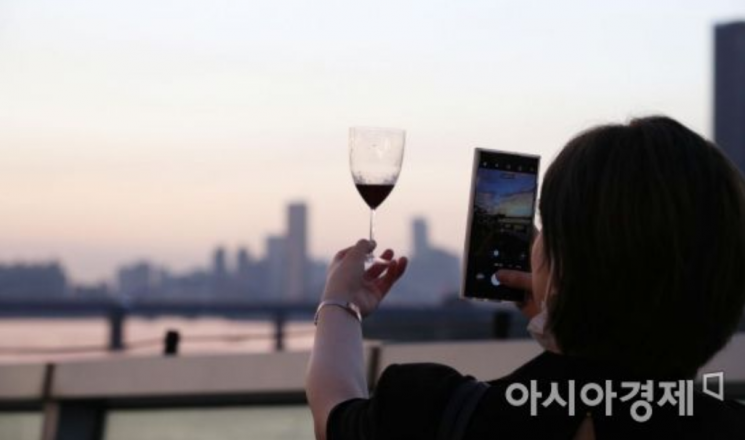
Additionally, the wine and whiskey markets are rapidly growing under the influence of the 'small luxury' trend. Originally, wine and whiskey had strong images as premium liquors, but after COVID-19, the culture of 'home drinking' and 'solo drinking' has expanded, increasing their popularity.
Experts analyze that the decline of flashy consumption trends like 'YOLO' is related to an uncertain future. Professor Eunhee Lee of Inha University's Consumer Studies Department said, "A few years ago, consumption trends focused on the present, which gave rise to terms like 'YOLO' and 'flex.' However, as the 'three highs'?high inflation, high interest rates, and high exchange rates?persist, people have become uneasy about making large purchases by only thinking about the present."
© The Asia Business Daily(www.asiae.co.kr). All rights reserved.



















