[Seoul District News] Yeongdeungpo-gu Announces Survey Results on Health, Safety, and Social Networks of Single-Person Households in 5 Key Areas & 513 Participants Surveyed via 1:1 Interviews and Group In-Depth Interviews for Accuracy & Model Developed for Identifying and Supporting Single-Person Households Based on Results ... Gwanak-gu Strengthens Customized Psychological Support at Mental Health Welfare Center & Expands Generation-Specific Psychological Support Projects Including 2030 Youth Mind Care and 4050 Middle-Aged Counseling & Signs MOU with Private Psychological Counseling Centers
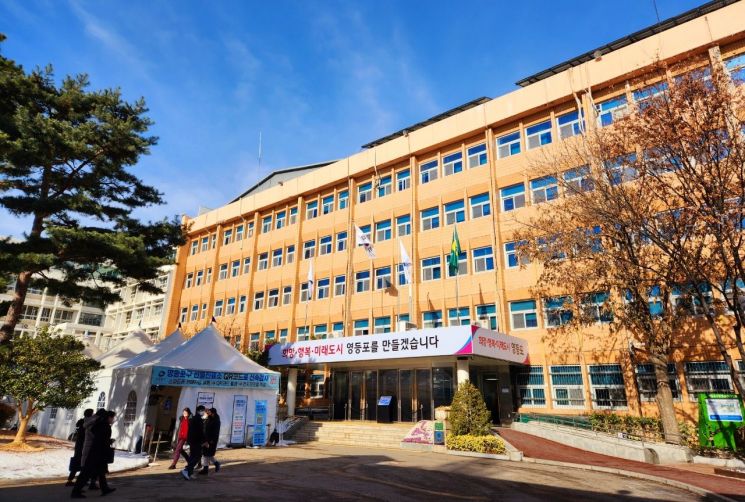
[Asia Economy Reporter Park Jong-il] Yeongdeungpo-gu (Mayor Choi Ho-kwon) conducted a survey on the living conditions of single-person households, covering five major areas: health, safety, social networks, and more. The results showed that the main difficulties in daily life were economic hardship, concerns about emergencies, and loneliness, in that order.
The number of single-person households in Yeongdeungpo-gu is expected to increase significantly from 64,000 in 2020 to about 90,000 in 2023. The district conducted the survey to accurately understand the growing population of single-person households and to develop effective support measures.
The survey targeted 513 residents aged 18 and over living in Yeongdeungpo-gu, sampled by gender, age, and region. Both one-on-one face-to-face surveys using questionnaires and focus group interviews (FGI) were conducted to enhance the accuracy of the results. The satisfaction scale was designed with 50 points as average, with scores closer to 100 indicating higher satisfaction and scores closer to 0 indicating lower satisfaction.
Personal Life Satisfaction
The satisfaction with personal life was 63.4 points, indicating general satisfaction. By age group, satisfaction was highest among young adults (68.8), followed by middle-aged adults (64.9), and lowest among seniors (49.1).
The main difficulties in daily life were economic hardship (49.1), concerns about emergencies (52.7), and loneliness (54.4). Particularly, seniors reported significantly greater difficulties in economic hardship (40.5), worries about old age and end-of-life (45.3), and loneliness (47.0) compared to other age groups.
Regarding leisure, satisfaction was 57.3, indicating an average level. There was little difference among young adults (59.3), middle-aged adults (57.6), and seniors (52.4).
Health Satisfaction
Among physical health concerns, fatigue and abnormal health symptoms (33.6) were the highest, followed by lack of exercise time (32.3) and irregular meals (31.3). Accessibility to medical facilities (16.2) was rated as good.
Preferred policies included providing community sports programs for young and senior groups, and creating a balanced nutritional food environment for middle-aged adults.
Mental health issues showed that nervousness and stress (28.2) were highest across all age groups, while seniors showed more negative responses regarding loneliness (28.2) and depression (20.9) compared to other age groups.
Safety Satisfaction
Safety satisfaction was good for both men (63.7) and women (62.2). The highest concern was insecurity due to residential location near alleys and entertainment establishments (28.2), followed by lack of safety facilities such as CCTV and streetlights (20.5).
Among ongoing projects, many expressed a desire to expand the Safe Home (49.3) and Safe Return Home (35.8) programs, while Safe Delivery and Safe Keeper House programs ranked relatively lower.
Social Network Satisfaction
Regarding social networks, most respondents identified friends (28.9) as the people who could help with worries or difficulties. Self-reliance (17.6), parents (18.2), and siblings (16.4) followed.
Preferred programs for restoring social networks were cultural and artistic activities, followed by mentor-mentee programs and sports activities.
Housing and Economic Status Satisfaction
In terms of housing and economic status, satisfaction with housing (58.8) and living conditions (60.3) was above average, whereas economic satisfaction (48.0) was somewhat lacking. Satisfaction was particularly low among young adults (48.1) and seniors (44.6).
Preferred housing policies included support for home purchase and rental deposit loans (38.9), followed by renovation support (23.7) and housing consultation and information provision (21.1).
Economic policies desired were job training and startup support (32.9), job search information provision (25.5), and economic counseling and education (18.3). Among seniors, the most selected policy was improvement of social security systems (30.2).
Based on the survey results, the district plans to establish a model for identifying and supporting single-person households and to prepare a comprehensive plan for single-person households.
Choi Ho-kwon, Mayor of Yeongdeungpo-gu, stated, “We will mobilize policy imagination based on the survey results to develop support measures tailored to local characteristics. We will do our best to ensure that all residents can enjoy a safe and comfortable life.”
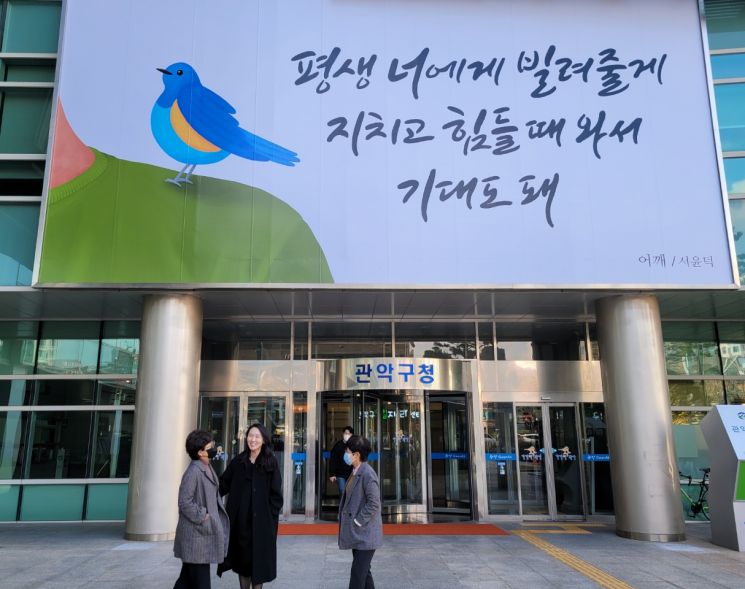
Gwanak-gu (Mayor Park Jun-hee) is strengthening customized psychological support projects such as ‘2030 Youth Embrace Program’ and ‘4050 Middle-aged Psychological Counseling’ for residents vulnerable to psychological issues due to employment instability, relative poverty, and depression.
A district official said, “The suicide rate among people in their 20s and 30s has increased significantly compared to before COVID-19 due to social isolation and mental and economic problems. Especially, the 2030 generation accounts for 66% of single-person households, ranking first in Seoul, raising serious concerns about their mental health.”
The Gwanak-gu Mental Health Welfare Center has established a dedicated counseling room for the 2030 generation to conduct the ‘2030 Youth Embrace Program,’ which aims to prevent extreme choices early due to depression and stress.
For single-person households and high-risk suicide groups, psychological status is analyzed through professional psychological tests, and individual counseling sessions with professional counselors have been expanded from 6 to 8 sessions to help participants recognize their strengths, weaknesses, and problems and work toward solutions.
Customized psychological support services are provided for the 40-50 age group at high risk of social disconnection. Through individual interviews with professional counselors, early prevention of extreme choices is pursued, and a 1:1 mental healing program is conducted to strengthen self-reliance and promote psychological stability.
In particular, last November, the district signed a public-private business agreement with Kingdom Child and Adolescent Psychological Counseling Institute and Namuwa Saem Psychological Counseling Center to establish and expand a professional psychological support system.
Specialized quality services are provided, including ‘Individual Psychological Counseling’ for high-risk suicide groups and mental health vulnerable groups, ‘1018 Golden Heart Listening’ for children and adolescents experiencing mental difficulties in friendships and school life, and ‘Golden Parent Embrace’ for parents stressed by child-rearing.
All psychological support projects and counseling require prior reservation, and residents wishing to receive counseling can apply through the Gwanak-gu Mental Health Welfare Center.
The district also operates a ‘One-stop Service for Suicide Bereaved Families’ to support psychological and emotional needs such as grief counseling, self-help groups, and psychological autopsy interviews, helping bereaved families recover healthily and return to daily life without difficulty.
A district official said, “We hope many people suffering from loneliness and isolation will have the opportunity to look into their hearts and heal their wounds through professional psychological counseling. We will continue to strive to create a mentally healthy Gwanak through various programs addressing mental health issues of residents.”
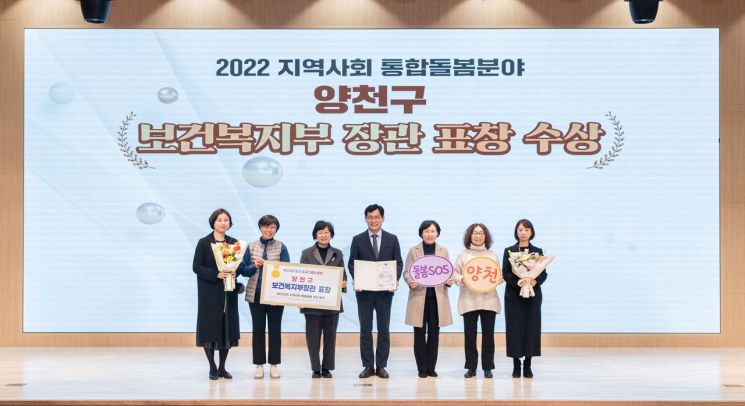
Yangcheon-gu (Mayor Lee Gi-jae) announced that it was the only district in Seoul to be selected as an excellent autonomous district in the ‘2022 Community Integrated Care Promotion’ category and received the ‘Minister of Health and Welfare Commendation.’
‘Community Integrated Care’ is a policy that integrally connects and provides visiting medical care, health management, nursing, and daily life support so that residents who need medical support and care due to aging or disability can live healthily in their usual places.
Among the 25 autonomous districts in Seoul, Yangcheon-gu was the only one selected as an excellent district. It was highly evaluated for strengthening care expertise through field surveys to discover care blind spots, forming and operating sector-specific public-private networks, and practicing proactive administration through emergency COVID-19 care support.
Especially, the ‘Care SOS Center,’ installed in all community service centers since January last year after a pilot project in July 2020, provides ten major services including temporary in-home care, hospital accompaniment support, home convenience services to prevent accident risks, and meal support. From early this year until now, it has connected and supported 5,186 customized integrated welfare services for 2,144 people.
Although it is only entering its third year, the new project has greatly contributed to resolving care blind spots through principles of field visits, rapid response, and integrated provision, and is recognized as a welfare policy that actively responds to diversified welfare needs.
Lee Gi-jae, Mayor of Yangcheon-gu, said, “I am truly pleased that the unwavering efforts of the ‘Yangcheon-type Care SOS Center,’ which has focused solely on residents, have been externally recognized through this award. We will continue to focus our administrative capabilities to realize a Yangcheon-gu where seamless care is provided, always remembering that ‘the answer is always in the field.’”
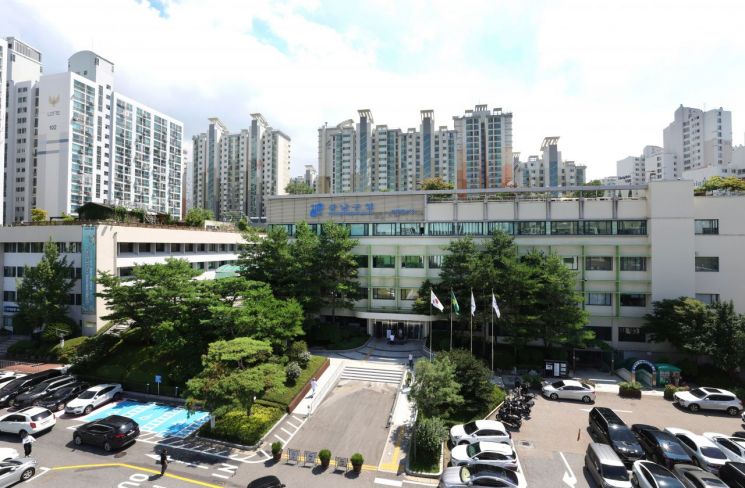
Gangnam-gu (Mayor Jo Sung-myung) officially opened the ‘Smart Gangnam Disabled Welfare Portal’ on the 12th, providing integrated welfare information for people with disabilities who have difficulty accessing welfare information and facilities.
During the COVID-19 pandemic, the need for contactless welfare services for about 15,000 registered disabled persons in the district increased, but related information was scattered, necessitating integrated information service provision. Accordingly, the district completed menu construction, information development for chatbot and voice service support, and pilot service operation over the past year and is now fully operating the ‘Disabled Welfare Portal.’
The portal consists of menus for ▲ Disabled Welfare Guide ▲ Disabled Welfare Facilities ▲ Communication Channels, allowing users to check all disability-related information at once. It also supports chatbot and voice services for more intuitive and faster information searches.
In the ‘Disabled Welfare Guide,’ users can find all information on 68 disability welfare systems and related services, including income and asset formation, medical support, daily life support, and employment support. The ‘Disabled Welfare Facilities’ section gathers information on 54 disability facilities in the district. Particularly, the ‘Communication Channels’ menu posts monthly major event schedules of welfare centers and recruitment information for disability facility programs, making it easier to access news.
For users who have difficulty searching for information, the portal supports a site map and quick menu. Additionally, it provides an electronic braille viewer service and applies voice support (TTS) to the chatbot, enabling users to ask questions and receive answers by voice.
The portal can be accessed via the Gangnam-gu Office website and the mobile app ‘The Gangnam.’ Users can enter through the ‘Disabled Welfare Portal’ shortcut on the main page of the website or click the ‘Disabled Information’ menu in the Gangnam Bot (chatbot) on the ‘The Gangnam’ app.
Jo Sung-myung, Mayor of Gangnam-gu, said, “With the establishment of the Disabled Welfare Portal, information that was previously scattered across multiple places can now be easily and quickly accessed in one place. We will continue to strengthen smart welfare support to realize empathetic and inclusive welfare that residents and people with disabilities can feel.”
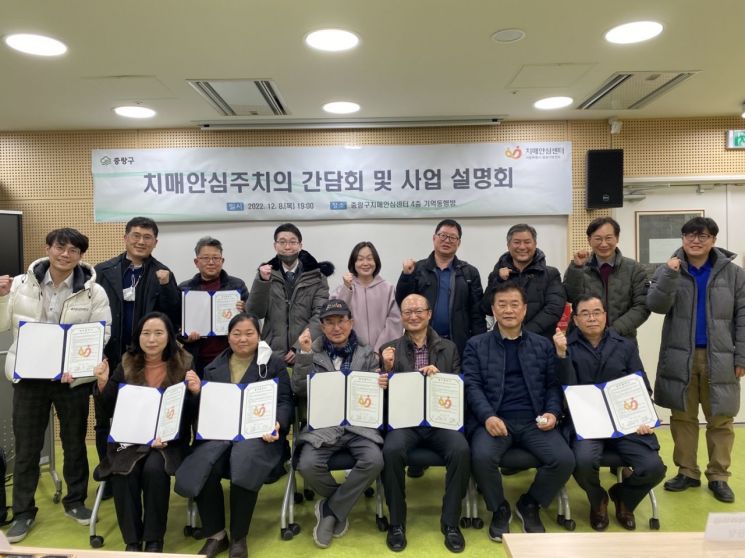
Jungnang-gu (Mayor Ryu Kyung-gi) announced that it signed agreements with local medical institutions for dementia care primary physicians and held a project briefing session.
Dementia care primary physicians refer to medical institutions linked with the Jungnang-gu Dementia Safety Center that identify dementia patients living in the area and contribute to continuous treatment management. This initiative aims to detect dementia patients early and provide appropriate medical services according to their condition, creating an environment where dementia patients can continue living in the community.
The project briefing session held on the 8th at the Jungnang-gu Dementia Safety Center’s Memory Companion Room began with an introduction to the Dementia Safety Center and the dementia care primary physician project, followed by training on dementia severity assessment methods, dementia medication prescription standards, and the signing ceremony for dementia care primary physician agreements.
During the briefing, the district provided education to enable primary medical institutions in the area to prescribe dementia medication and signed agreements with eight institutions that had completed dementia specialist training but were not yet designated as dementia care primary physicians. This brings the total number of designated dementia care primary physician medical institutions in Jungnang-gu to 33.
According to the agreement, the Jungnang-gu Dementia Safety Center will connect patients diagnosed with dementia who wish to receive management to dementia care primary physician institutions for personalized counseling and treatment.
Dementia care primary physicians assist not only with counseling and treatment but also help local seniors access early dementia screening, dementia prevention programs, and support services for dementia patients at the center.
Additionally, the program provides convenience for dementia patients who have difficulty obtaining prescriptions due to distance from specialized hospitals by enabling them to receive dementia medication prescriptions at nearby clinics and hospitals.
For information on dementia care primary physician medical institutions in Jungnang-gu, contact the Jungnang-gu Dementia Safety Center.
Ryu Kyung-gi, Mayor of Jungnang-gu, said, “Early detection and continuous management of dementia are crucial to preventing progression to severe stages. We will do our best to realize a dementia-safe city in Jungnang-gu where dementia patients can live safely in the community through systematic cooperation with local medical institutions.”
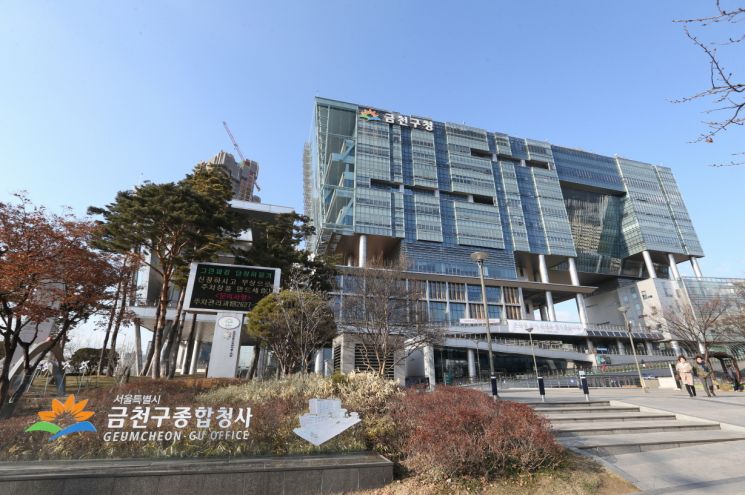
Geumcheon-gu (Mayor Yoo Sung-hoon) is supporting ‘customized employment photo shoots’ for young adults preparing for independence who have aged out of foster care or childcare facilities.
The ‘customized employment photo shoot’ is a measure to support the independence of young adults who have aged out of care, designed to encourage job seekers or university graduates preparing for independence to enter society.
Geumcheon-gu will support 15 young adults preparing or expected to prepare for independence by January 2023 with full makeup, hairstyling, costume rental, and photography.
Additionally, 10 of these young adults will receive 500,000 KRW each to assist with job-seeking activities. The sponsorship funds were donated by the Korea Asset Management Corporation Seoul Western Regional Headquarters.
A young adult who received the employment photo shoot support, Choi ○○, said, “In today’s competitive job market, submitting a resume with an ID photo styled with makeup and hairstyling that suits my face shape and atmosphere will boost my confidence.”
This project was promoted by the district’s child protection officers reflecting the requests of young adults during regular meetings.
Yoo Sung-hoon, Mayor of Geumcheon-gu, said, “I hope the customized employment photo shoot will help young adults prepare for employment. We will continue to support young people to grow into healthy and independent adults without hesitation.”
© The Asia Business Daily(www.asiae.co.kr). All rights reserved.

![Clutching a Stolen Dior Bag, Saying "I Hate Being Poor but Real"... The Grotesque Con of a "Human Knockoff" [Slate]](https://cwcontent.asiae.co.kr/asiaresize/183/2026021902243444107_1771435474.jpg)

















