Q3 Pet Insurance New Subscriptions Reach 8,815... More Than Double Compared to Two Years Ago
[Asia Economy Reporter Changhwan Lee] The number of new pet insurance subscribers has significantly increased. This is interpreted as more people seeking pet insurance due to the growing pet population and rising medical expenses. However, the subscription rate is still low compared to the total number of pets, and there are calls to improve related systems to expand the market.
According to the Korea Credit Information Services on the 14th, new pet insurance subscriptions in the third quarter of this year reached 8,815, a 29.1% increase compared to 6,248 in the same period last year. Compared to 4,185 in the third quarter of 2020, the number has more than doubled.
As the number of pet insurance subscribers increased, the amount of insurance payouts also steadily rose. In July 2020, the insurance payout for pet treatment costs was 490 million KRW, but in July this year, it increased by 73% to 850 million KRW.
The increase in pet insurance subscribers and insurance payouts reflects the growing number of people raising pets. According to the Ministry of Agriculture, Food and Rural Affairs, as of 2020, households raising pets accounted for 27.7% of all households in Korea, continuously rising from 17.4% in 2010.
The domestic pet market size also grew by 78.9%, from 1.9 trillion KRW in 2015 to 3.4 trillion KRW in 2020.
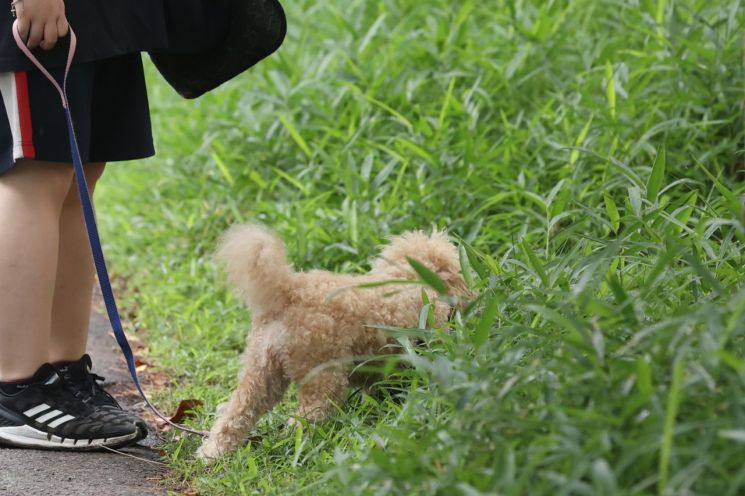
The increased burden of raising costs is also a factor driving people to seek insurance. According to a survey by the Korea Consumer Federation last year, about 82.9% of pet-owning households felt that "veterinary hospital treatment costs are burdensome."
In addition, government policy support and active product launches by insurance companies have helped increase pet insurance subscriptions. President Yoon Suk-yeol included the activation of pet insurance among the 110 national tasks earlier this year. Subsequently, related ministries formed a pet insurance activation task force (TF), and the Financial Services Commission eased regulations to allow insurance companies to establish specialized subsidiaries for pet insurance.
However, the subscription rate remains low compared to the total pet population, and there are calls to raise it. As of the end of October, the number of pet insurance subscribers was 55,000, representing only 0.8% of the total pet-owning population.
To increase the pet insurance subscription rate, there are voices emphasizing the need to first resolve institutional issues. Insurance companies argue that a standardized fee system related to pet medical treatment is necessary. This is because the names, treatment items, and costs vary by veterinary hospital for animal diseases, making it difficult for insurers to develop new insurance products.
In response, the Ministry of Agriculture, Food and Rural Affairs plans to require veterinary hospitals to post important treatment costs in advance starting next year, and is considering disclosing regional veterinary hospital treatment cost status and introducing a standardized fee system for treatment costs.
Active participation by pet owners in the pet registration system is also necessary. The government introduced a nationwide pet registration system in 2013 to protect animals and prevent abandonment, but the actual number of registered dogs is known to be only about 20-30%.
Hong Sung-won, a researcher at Korea Credit Information Services, explained, "Despite the high burden of pet medical expenses, the subscription rate for pet insurance that covers these costs is low. From the consumer's perspective, the limited coverage of insurance products and the relatively expensive premiums make them hesitant to subscribe. From the insurers' perspective, the lack of standardized treatment cost statistics and information asymmetry make it difficult to supply insurance products that satisfy consumers."
© The Asia Business Daily(www.asiae.co.kr). All rights reserved.
![Clutching a Stolen Dior Bag, Saying "I Hate Being Poor but Real"... The Grotesque Con of a "Human Knockoff" [Slate]](https://cwcontent.asiae.co.kr/asiaresize/183/2026021902243444107_1771435474.jpg)
















