[Seoul District News] Gwanak-gu Promotes Public-Private Partnership Projects to Support Isolated Middle-Aged and Older Single-Person Households, Establishing Continuous Care Systems for High-Risk Households with Social Network Formation & Meal Kit Support, AI Check-in Service, and Our Neighborhood Care Team... Jongno-gu to Hold 'Jongno-gu Single-Person Household Forum' on the 21st at 3 PM in the 12th Floor Education Hall of the District Office... Gangnam-gu Forms Special Task Force for Two Months Starting September to Conduct Intensive Investigations and Support 548 Households
[Asia Economy Reporter Park Jong-il] Gwanak-gu (Mayor Park Jun-hee) is actively engaged in caring for middle-aged and older single-person households exposed to social disconnection and isolation.
Although the proportion of young single-person households is high, middle-aged and older single-person households also account for as much as 14.2% of the total. Accordingly, the district has been continuously promoting various customized care projects for middle-aged and older single-person households.
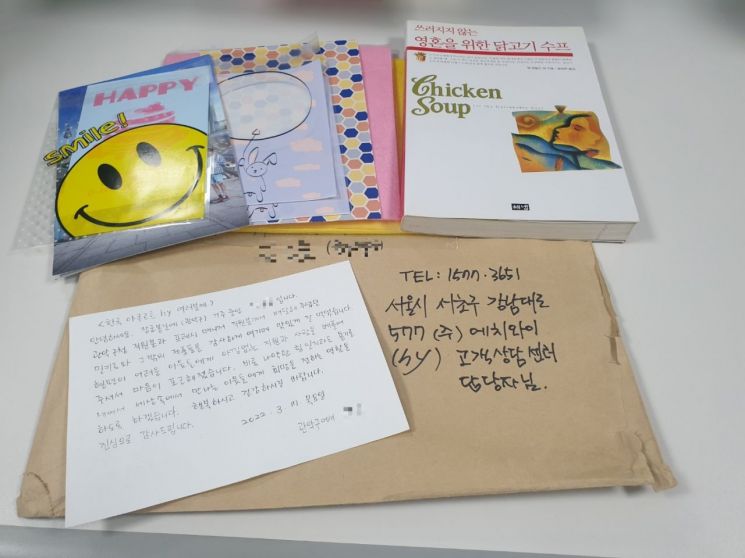
Recently, a letter arrived at the Gwanak-gu Office. The letter was a thank-you note from a physically disabled single-person household who was a recipient of the district’s ‘Meal-kit support for middle-aged and older single-person households.’ The letter stated, “I am grateful to receive meal-kit support while having difficulty preparing meals due to physical discomfort,” and “I will courageously meet neighbors and share hope to repay the kindness shown to me.”
Gwanak-gu signed a business agreement with Hy Co., Ltd. (Korea Yakult) and delivered meal-kits and fermented milk to 170 low-income middle-aged and older single-person households this year, conducting visit monitoring. Through this project, the district worked to alleviate social isolation and loneliness among middle-aged and older single-person households and improve nutritional issues.
The meal-kit support project was evaluated as a successful public-private cooperation case, with 97.4% of recipients responding ‘satisfied’ in the satisfaction survey. The district plans to continue this project next year.
Additionally, the district visited middle-aged and older single-person households together with neighbors. Continuing from last year, the ‘Our Neighborhood Care Group’ project recruits 3 to 4 residents per neighborhood who are interested in the community and lead volunteer activities, matching them with high-risk groups for solitary death to build rapport with the recipients. This helps middle-aged and older single-person households naturally form social networks.
Moreover, the district plans to complete the installation of ‘IoT Smart Plugs’ by the end of the year for 185 vulnerable single-person households at risk of solitary death. The smart plug detects danger signals when there is no change in power consumption and checks on the occupant’s well-being. Since November, the district has also been operating the ‘AI Well-being Check Service’ project, planning to conduct regular automated phone calls to check on the well-being and health of a total of 819 recipients by 2023.
A district official stated, “Loneliness and depression among single-person households are intensifying. The problems arising from this should be recognized as issues for society as a whole,” adding, “Interest in neighbors is the shortcut to prevention. We will continue to work with local residents to build a warm welfare community.”
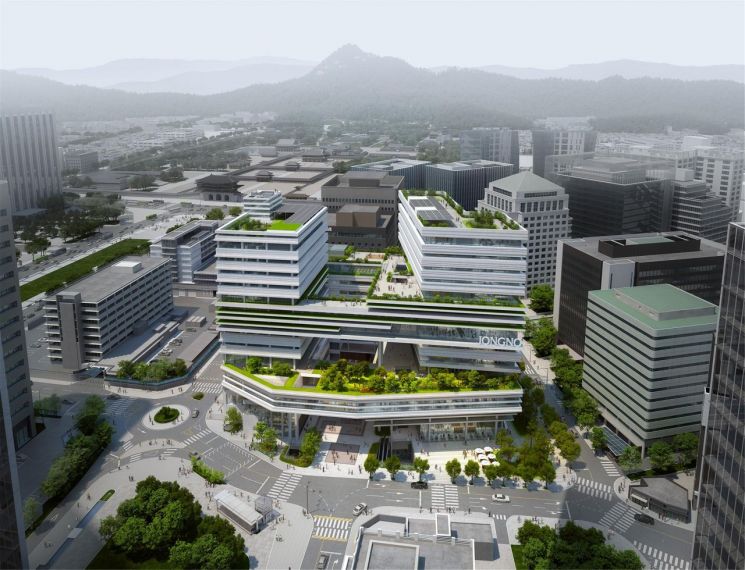
Jongno-gu (Mayor Jeong Moon-heon) will hold the ‘Jongno-gu Single-Person Household Forum’ at 3 p.m. on the 21st in the 12th-floor education hall of the district office.
Under the theme ‘Exploring Policy Directions for a Beautiful Journey with Single-Person Households,’ the forum aims to discuss effective support measures and build consensus on policy directions. Experts and residents will gather to share opinions on improving the quality of life for single-person households and to learn about the status and characteristics of single-person households by generation.
The forum will proceed for 1 hour and 30 minutes from 3 p.m. on the 21st, including ▲expert keynote presentations ▲panel discussions ▲Q&A sessions. It will also be broadcast live on the ‘Jongno TV’ YouTube channel.
The forum will begin with a keynote speech by Kim Seung-yeon, a member of the Seoul Institute, titled ‘Characteristics and Policy Tasks of Single-Person Households.’
The discussion will be chaired by Kim Ki-young, adjunct professor of Welfare Administration at Chung-Ang University Graduate School of Public Administration, with panelists including Park Sang-yoon, chairman of the Jongno Youth Network; Im So-hyun, research fellow of the Seoul 50 Plus Foundation Policy Research Team; Jeong Gwan, director of the Jongno Senior Welfare Center; and Park Hee-yeon, chairperson of the Ethics Special Committee of the Jongno District Council, each presenting their perspectives.
Anyone interested can participate, and pre-registration is available until the 16th of this month via the QR code on the poster. On-site registration on the day is also possible.
When pre-registering, participants can also submit questions about single-person household policies, which will be answered during the event along with YouTube comments.
Mayor Jeong Moon-heon said, “We expect this forum to serve as a starting point for establishing policies that ensure single-person households can live confidently and happily alone,” adding, “We aim to create customized policies that carefully consider the characteristics of single-person households and increase satisfaction by target group. We ask for active participation from those interested so that residents’ opinions can be actively reflected in policy development.”
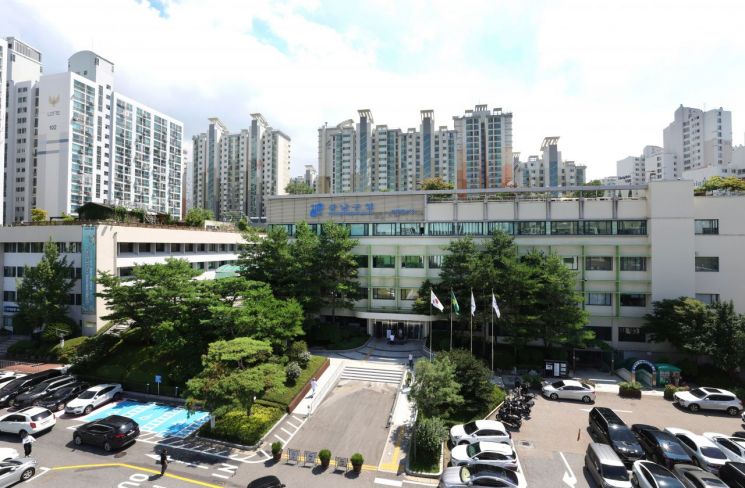
Gangnam-gu (Mayor Jo Seong-myeong) conducted a special task force operation for two months starting in September to identify and support welfare blind spots, investigating 5,156 households and finding 548 households in difficulty to provide support.
In September, the district formed a special TF led by the deputy mayor, consisting of 19 teams from 6 departments, to discover welfare blind spots. It also signed agreements with Gangnam-Seocho Education Support Office, Gangnam Police Station, Suseo Police Station, and Gangnam Fire Station to build a community safety network.
The district conducted focused investigations on 5,156 households, including those with housing vulnerabilities, health insurance premium arrears, and excessive medical expenses. Additionally, 40,000 leaflets that can be hung on door handles were produced and distributed to vulnerable residential buildings in the area to inform households suspected of not having updated their resident registration address or being reclusive isolated households about welfare support.
Furthermore, a 24-hour hotline called ‘Dream Call’ was operated to report and receive crisis household notifications.
As a result, 548 crisis households were identified and supported. The support included a total of 559 cases: 145 cases of public benefits (basic living security and emergency support, etc.) and 414 cases of customized welfare services such as donations, goods, and care services for households not eligible for public benefits.
Mr. A, living in a goshiwon (small lodging), was socially isolated due to unemployment, unpaid goshiwon fees and mobile phone bills, and depression, but received emergency support through this investigation. He is also scheduled to receive depression counseling linked with the local mental health center.
Mr. B, living in a rooftop room, lost his job due to injury while working as a day laborer. Unable to pay monthly rent and receive proper treatment, he received emergency support and medical expenses through this investigation and applied for basic living security.
Additionally, the district supports people in welfare blind spots through its own specialized project called ‘Finding Hidden Crisis Households.’ This project actively re-examines alternative support options when applicants for basic living security (livelihood benefits) are deemed ineligible. Professional staff conduct re-consultations and connect private resources and welfare services through case management.
Ms. C and her family, who suffered livelihood difficulties after being deemed ineligible for basic living security (livelihood benefits) due to her husband’s income despite him leaving home and not providing living expenses for years, were selected as case management targets through the ‘Finding Hidden Crisis Households’ project and received emergency support. Recently, they received legal counseling services, proceeded with divorce procedures, and reapplied for basic living security.
Mayor Jo Seong-myeong of Gangnam-gu said, “Gangnam-gu proactively formed a special task force to conduct focused investigations of welfare blind spots in preparation for the winter season,” adding, “We will continue to strengthen the local cooperation system by actively linking with related and public-private organizations to provide necessary welfare services to vulnerable groups.”
© The Asia Business Daily(www.asiae.co.kr). All rights reserved.
![Clutching a Stolen Dior Bag, Saying "I Hate Being Poor but Real"... The Grotesque Con of a "Human Knockoff" [Slate]](https://cwcontent.asiae.co.kr/asiaresize/183/2026021902243444107_1771435474.jpg)


















