[Asia Economy Reporter Kim Young-won] The government announced that it will adjust the indoor mask mandate as early as January next year and no later than March.
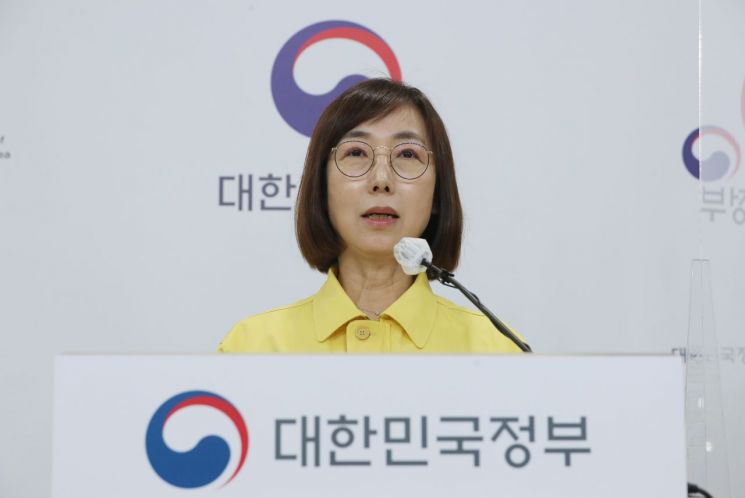
On the 7th, Baek Kyung-ran, head of the Central Disease Control Headquarters (Director of the Korea Disease Control and Prevention Agency), said, "The criteria, targets, and methods related to the adjustment of the mask mandate are currently under discussion by an expert group," adding, "The implementation period is expected to be between January and March next year at the earliest, once the criteria are met."
Baek also explained the reason for not yet clearly deciding the timing of implementation, stating, "We do not currently see the epidemic as being on a declining trend, more time is needed for the elderly to receive the bivalent vaccine, and the spread direction of infectious diseases like influenza remains uncertain."
The government will begin discussions on the direction of mask mandate adjustments at the Central Disaster and Safety Countermeasures Headquarters meeting chaired by the Prime Minister on the 9th. Afterwards, opinions will be gathered through a public expert forum on the 15th, and the adjustment plan is scheduled to be finalized by the end of this month. Baek said, "We will proceed with discussions swiftly to announce the mask mandate adjustment roadmap within the year."
The background for the Central Disease Control Headquarters' review of the indoor mask mandate adjustment proposal, which was raised by local government heads in Daejeon, Chungnam, and other areas, includes the characteristics of COVID-19 and immunity levels. The headquarters explained that the disease burden is lower than before due to the predominance of the relatively less pathogenic Omicron variant lineage, widespread vaccination and natural infection have provided protection against infection and severe illness, and the global trend toward easing quarantine measures was also considered.
However, mask-wearing may remain mandatory in infection-vulnerable facilities. Baek said, "Even if the indoor mask mandate is converted to a recommendation in most places, essential facilities for protecting high-risk groups may still be subject to mandatory mask-wearing," adding, "Even if the mandatory measures subject to fines are lifted, voluntary mask-wearing for personal health will still be necessary according to the situation."
The Central Disease Control Headquarters also emphasized the effectiveness of mask-wearing in preventing infection, citing research from the United States. A study comparing COVID-19 incidence rates before and after the lifting of school mask mandates in Massachusetts last month observed that the cumulative COVID-19 incidence over 15 weeks approximately doubled in school districts that lifted mask mandates compared to those that maintained them.
It was reported that there were no objections from local governments regarding the government-led review of the mask-wearing mandate at the Central Disaster and Safety Countermeasures Headquarters meeting that day. Kwon Byung-ki, head of the Disease Control Support Team at the Central Disease Control Headquarters, said, "At today's meeting, the effectiveness of indoor mask-wearing was sufficiently explained," and added, "There was a request for cooperation to activate the quarantine network on the same day through the Central Disaster and Safety Countermeasures Headquarters, and there were no objections or issues from local governments regarding this."
© The Asia Business Daily(www.asiae.co.kr). All rights reserved.
![From Bar Hostess to Organ Seller to High Society... The Grotesque Con of a "Human Counterfeit" [Slate]](https://cwcontent.asiae.co.kr/asiaresize/183/2026021902243444107_1771435474.jpg)
















