[Seoul District News] Seocho-gu Activates 2022/23 Winter Cold Wave Comprehensive Measures Covering 6 Sectors and 25 Projects ▲ Expansion of Seoripul Igloo and Seoripul Ondol Chairs ▲ Extension of Cold Wave Shelter Operating Hours ▲ Increase in Cold Wave Vulnerable Group Management Personnel ▲ Installation of Road Heating Cables, etc. ... Guro-gu Ensures Safe Winter with Residents ... Gwanak-gu Focuses on Vulnerable Group Safety Management, Operates 24-Hour Situation Room During Cold Wave Alerts, Inspects Multi-use Facilities, and Establishes Cooperation System with Related Agencies to Prevent Unexpected Disasters ... Seongdong-gu, Regular...
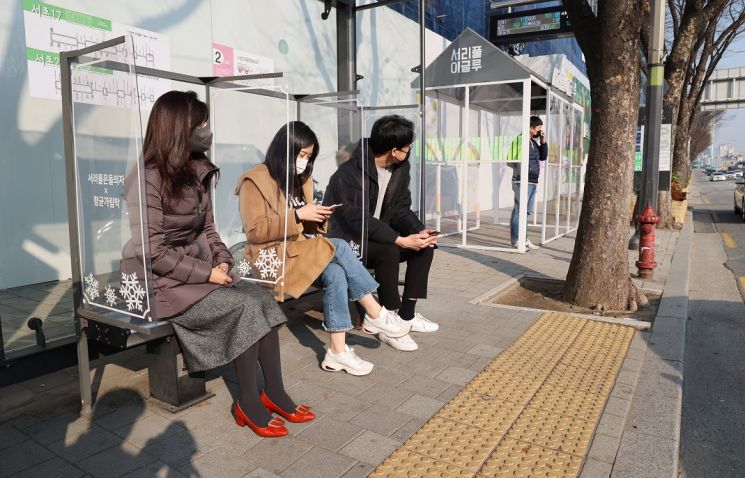
[Asia Economy Reporter Park Jong-il] Seocho-gu (Mayor Jeon Seong-su) is preparing a '2022/23 Winter Cold Wave Comprehensive Measures' from this winter until March next year to ensure a safe and warm winter.
Seocho-gu has established a thorough cold wave plan consisting of six major areas and 25 projects to make residents feel the effects: ▲Cold wave situation management and response system establishment and operation ▲Resident-friendly cold wave measures ▲Safety management for vulnerable groups during cold waves ▲Winter health care visits ▲Strengthening snow removal response capabilities ▲Facility safety management.
First, a step-by-step T/F response system will be established according to the winter cold wave situation, and a comprehensive cold wave situation room will be operated for rapid response to minimize damage caused by the cold wave.
As resident-friendly cold wave measures, the number of frost-melting igloos and frost-melting ondol chairs?facilities that warm people waiting at bus stops?will be expanded. The frost-melting igloo, a windbreak installed to block cold winds, will be increased by 8 locations from last year to a total of 40. The frost-melting ondol chair, popular among elderly waiting for buses, operates automatically by sensing the surrounding temperature and maintains the chair temperature at 38°C to provide warmth. The number has increased from 167 to 180 locations.
Additionally, for safety management of vulnerable groups during cold waves, detailed measures have been prepared for elderly living alone, homeless people on the streets, and high-risk health groups. This year, 20 upgraded extended cold wave shelters with significantly increased operating hours will be operated. These extended shelters will be open on weekday evenings, weekends, and holidays to allow many residents to use them. The patrol team for protecting homeless people on the streets has increased from 50 to 66 members, and the Seo-ri-pul resident planners who identify welfare blind spots have increased from 47 to 54 members.
To strengthen snow removal response capabilities, a proactive snow removal system centered on automatic snow removal facilities such as road heating cables and automatic brine spraying devices will be operated. These two devices operate automatically by sensors during snowfall. The number of road heating cables has been expanded from 9 to 13 locations, and automatic brine spraying devices from 7 to 9 locations to enhance initial snow removal response capabilities.
For facility safety measures, gas supply facilities and transport vehicles will be inspected, and a situation management system for gas accident preparedness will be operated. In addition, if agricultural disasters such as cold damage occur during cold wave warnings, an agricultural disaster response team will be operated to support rapid reporting and damage investigation.
Furthermore, for health-vulnerable groups during the cold winter, health management will be actively conducted through ▲health management text messages and visiting health care ▲indoor temperature measurement, cold wave warning dissemination, and education on action guidelines. The number of focused vulnerable groups under management has increased from 2,857 last year to 4,977 this year.
Mayor Jeon Seong-su said, “As the risk of disasters increases due to winter cold waves and heavy snow, we will do our utmost to ensure a safe and warm winter by thoroughly implementing the comprehensive winter cold wave measures.”
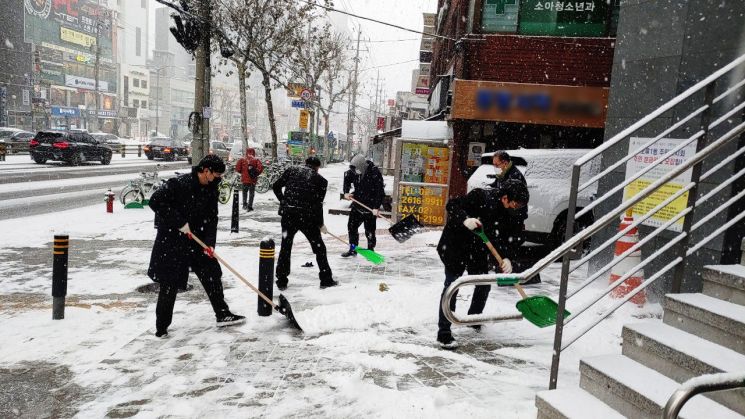
Guro-gu (Mayor Moon Heon-il) is mobilizing residents' power to carry out snow removal work.
Guro-gu announced on the 30th, “We have prepared comprehensive winter measures by sector to ensure residents have a warm and safe winter,” and “We will also run a program where residents clear snow together for rapid snow removal during heavy snowfall.”
The district will hold a 'Snow Removal Certification Photo Contest' from November 15 to March 15 next year.
The contest targets photos showing snow removal in front of one’s home, store, sidewalks, alleys, etc. However, areas outside the district or places not on public roads, such as inside apartment complexes, are excluded.
To apply, log in to the district office website, access the application board through the sector information (disaster, safety, civil defense) or main screen banner ad, and upload a photo with a brief description of the snow removal work. Alternatively, photos printed out can be submitted directly at the district road department or nearby community service centers.
The district will select one grand prize winner, three excellence awardees, five encouragement awardees, and ten effort awardees through judging, awarding a total of 950,000 KRW worth of cultural gift certificates.
Guro-gu will operate the Disaster Safety Countermeasures Headquarters until March 15 next year. It has formed 13 task forces including situation management, disaster site environment maintenance, traffic countermeasures, and disaster recovery publicity, and will conduct emergency duty according to snowfall amounts.
About 2,000 personnel including district office staff, equipment drivers, and related agency officials, along with 120 snow removal machines, will work on main roads, side roads, sidewalks, and overpasses, maintaining a cooperative system with related agencies such as Guro Police Station and military units.
To prevent various winter disasters and accidents such as heavy snow, cold waves, and fires, response plans are prepared in six areas: ▲Snow removal measures ▲Cold wave measures ▲Safety measures ▲Health measures ▲Resolving residents' inconveniences ▲Warm winter initiatives.
A Guro-gu official said, “We are doing our best to minimize residents' inconvenience during winter and ensure a safe winter,” and “We ask residents to actively participate in clearing snow around their surroundings.”
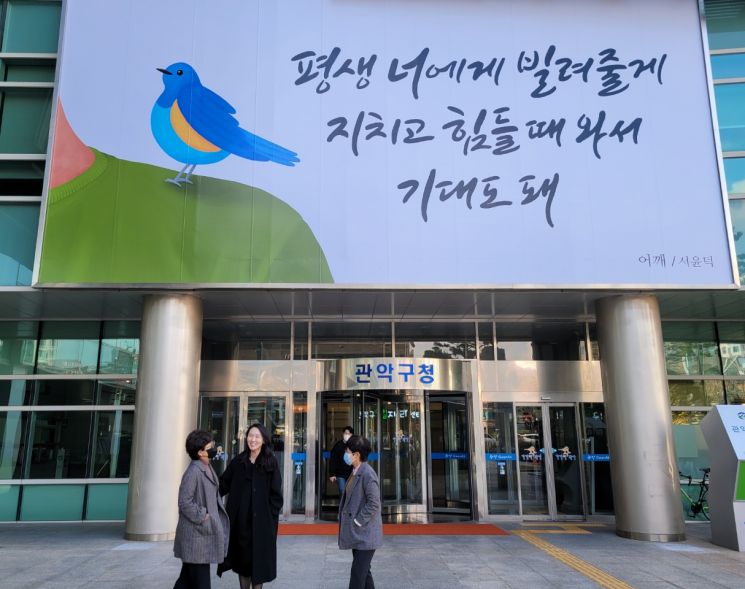
Starting this week, temperatures will drop below freezing, marking the beginning of a full-fledged cold wave.
Accordingly, Gwanak-gu (Mayor Park Jun-hee) is making every effort to prevent various safety accidents during the harsh winter and ensure that low-income vulnerable groups can spend a warm and safe winter by thoroughly implementing cold wave measures.
When a cold wave warning is issued, the district operates a 'Cold Wave Comprehensive Support Situation Room' 24 hours a day, with three teams?Situation Management, Life Support, and Facility Measures?comprising 12 departments on emergency duty. The focus will be on protecting vulnerable groups such as elderly living alone and homeless people, as well as facility safety management for electricity and gas, emergency rescue, and first aid activities.
First, for vulnerable group safety management, 618 disaster helpers are designated to visit and call elderly living alone to frequently check for cold wave damage. For homeless people on the streets, patrol teams monitor areas such as Dorimcheon (Byeolbitnaerincheon) riverside, parks, and public restrooms, providing relief supplies like sleeping bags and encouraging facility admission for safety.
For residents with mobility difficulties and chronic illnesses, dedicated visiting personnel provide on-site home visits and health management services, linking support for heating costs, cold protection supplies, and requesting housing environment improvements.
Additionally, winter safety inspections for daycare centers, pre-education for childcare teachers, and heating cost support protect young children's health. Twenty-one community service centers distribute 30 sets each of electric mats and cold wave kits to vulnerable groups.
Safety inspections of multi-use facilities such as libraries, welfare facilities, and traditional markets are conducted, checking for fire risks during winter. Cooperation with related agencies ensures gas facility safety management and monitoring of water meters, with prompt action taken as needed.
Furthermore, the district has installed 53 smart heaters and 45 smart heated chairs at bus stops to alleviate discomfort for public transport users during cold waves.
A district official said, “We will thoroughly implement the cold wave comprehensive measures to prevent unexpected accidents or damage due to the late arrival of the cold wave compared to previous years,” and “We ask residents to pay special attention to health by refraining from outdoor activities as much as possible when warnings are issued and following cold wave action guidelines.”
Seongdong-gu (Mayor Jung Won-oh) announced on the 30th that it will implement a 'Cold Wave Comprehensive Plan' until March 15 next year to protect vulnerable groups from the cold wave amid forecasts of a sharp temperature drop.
To this end, Seongdong-gu will prepare for cold waves in three stages, including serious crisis situations. In stage 1, a cold wave situation management TF team composed of 10 members in three teams by department will be activated, and when a cold wave warning is issued, a 'Cold Wave Comprehensive Support Situation Room' will be operated. In stage 3, when serious crises such as casualties occur, a 'Cold Wave Disaster Safety Countermeasures Headquarters' with 13 task forces working in two shifts day and night will be formed and operated.
The district will closely monitor vulnerable groups such as single-person households at high risk of solitary death during winter. Our Neighborhood Care Teams, resident caregivers, and community leaders will check on them via phone calls or home visits. Especially when a cold wave warning is issued, community centers will conduct two rounds of continuous welfare checks through disaster helpers and guardians or acquaintances to strengthen protection of vulnerable groups.
Additionally, workers at construction sites and sanitation workers will be educated on cold wave risk levels, symptoms of cold-related illnesses, and emergency response methods to prevent injuries.
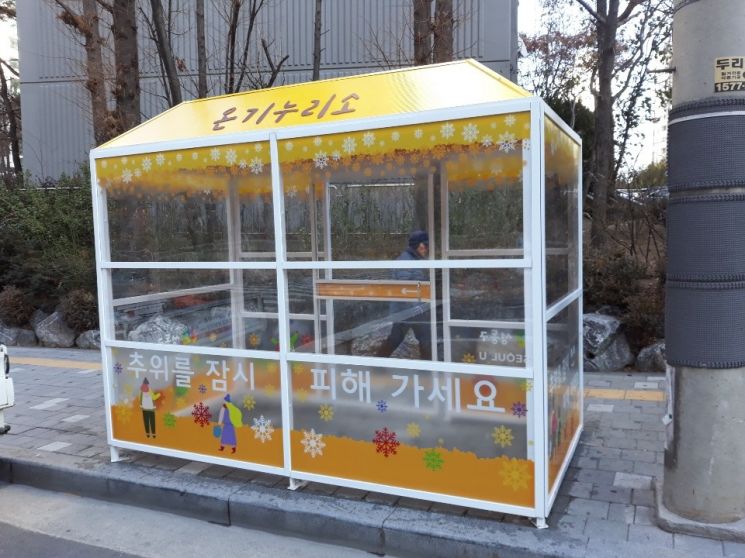
Cold wave mitigation facilities will also be fully operated. After a three-year hiatus due to COVID-19, 35 windbreak spaces called 'On-gi Nuri-so' will be installed and operated until the end of March next year. These newly installed On-gi Nuri-so reuse existing products and provide warmth to residents waiting for buses, serving as a warm community resting place to escape the harsh cold.
Moreover, the district operates 47 smart shelters and a total of 135 smart heated and cooled chairs at bus stops to alleviate discomfort for public transport users during severe cold.
Mayor Jung Won-oh said, “In preparation for the full-fledged cold wave, we will strengthen welfare checks for vulnerable groups such as elderly living alone and continuously promote cold wave response guidelines to residents,” adding, “It is especially important for all residents to look out for elderly neighbors who may need help and care for them.”
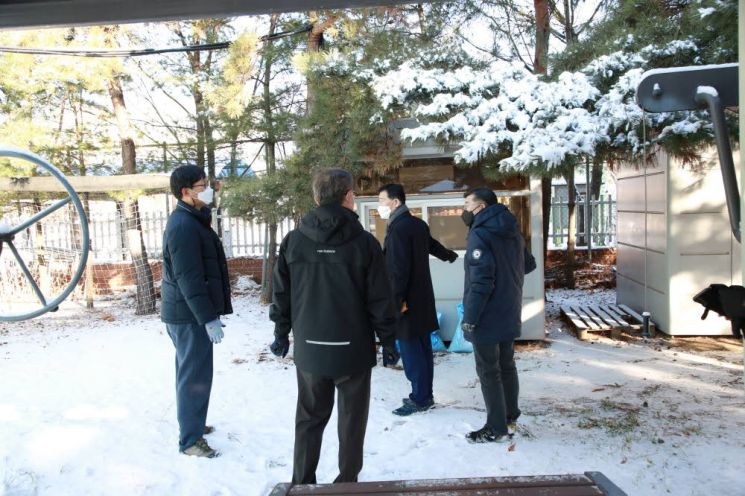 Seungro Lee, Mayor of Seongbuk-gu (second from right), and district officials conducting safety inspections of facilities in preparation for the severe cold wave last winter.
Seongbuk-gu (Mayor Lee Seung-ro) has established comprehensive cold wave measures and is fully activating the cold wave response system to protect vulnerable groups such as elderly living alone and manage vulnerable facilities safely during the winter cold wave.
First, 1,445 disaster helpers composed of life support workers, community leaders, and voluntary disaster prevention groups are designated to visit vulnerable groups such as elderly living alone and check their status frequently by phone during cold wave warnings to carefully monitor for cold wave damage.
For protecting homeless people on the streets, patrol teams conduct night patrols. Intoxicated or ill homeless individuals are transported to emergency relief centers or national/city hospitals, and masks, hand sanitizers, and cold protection supplies will be provided to those refusing facility use.
For disabled and chronically ill residents, preventive education is provided to avoid health deterioration due to cold waves, and 'Health Consultation Days' will be operated to continuously measure blood pressure, blood sugar, and provide health counseling.
The district has designated 30 cold wave shelters throughout the area to help vulnerable groups avoid the cold, and installed heated chairs at 55 bus stops to improve convenience for public transport users.
Safety inspections of vulnerable facilities such as social welfare facilities and multi-use facilities will be conducted regularly in cooperation with related agencies, focusing on fire, electrical, and gas facilities to prevent unexpected disasters.
Mayor Lee Seung-ro said, “With the first cold wave warning issued in Seoul on November 29, we will carefully monitor and actively respond to prevent accidents or damage caused by the cold wave in the region,” and “We ask residents and households to familiarize themselves with cold wave action guidelines, pay special attention to health management, and be especially cautious for vulnerable neighbors.”
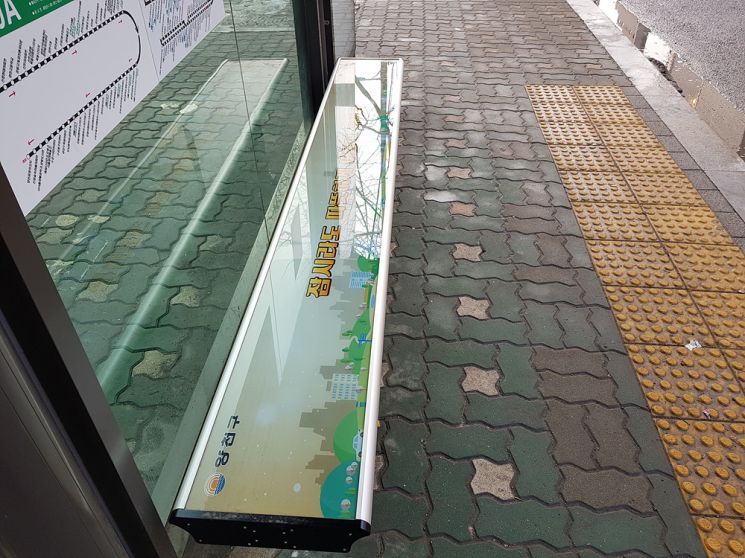
Yangcheon-gu (Mayor Lee Gi-jae) is installing and fully operating 'heated chairs' at 30 bus stops with high foot traffic and waiting populations, and 'On-gi Charging Stations,' windproof facilities, at 35 cold wave vulnerable locations.
The heated chairs at bus stops currently operate at 24 locations (7 in Mok-dong, 9 in Sinwol-dong, 8 in Sinjeong-dong), and 6 more chairs will be added, two per region, totaling 30.
Operating hours are from 5 a.m. to 11 p.m., coinciding with bus operating hours, and the seat surface temperature is maintained at 32°C to provide warmth to residents waiting for buses.
Notably, the six newly installed heated chairs use carbon nanotube coatings between double tempered glass, generating heat with over 30% less power consumption compared to existing products, expected to significantly save energy.
This year, 35 On-gi Charging Stations will be installed in high foot traffic areas across regions (12 in Mok-dong, 12 in Sinwol-dong, 11 in Sinjeong-dong). Made of transparent tent-shaped rectangular structures using warm, recyclable materials, the district plans to minimize pedestrian inconvenience and promptly repair any damage to ensure safety management.
Mayor Lee Gi-jae said, “We have prepared heated chairs and On-gi Charging Stations so that residents can stay a little warmer and more comfortably during the cold winter,” adding, “We will continue to discover and implement resident-centered administrative services to realize a livable and desirable Yangcheon.”
© The Asia Business Daily(www.asiae.co.kr). All rights reserved.
![User Who Sold Erroneously Deposited Bitcoins to Repay Debt and Fund Entertainment... What Did the Supreme Court Decide in 2021? [Legal Issue Check]](https://cwcontent.asiae.co.kr/asiaresize/183/2026020910431234020_1770601391.png)
















