Various Allergens Attached to Smartphones... Electromagnetic Waves Worsen Respiratory Diseases
Patients with Allergic Rhinitis and Asthma Should Frequently Clean Smartphones with Alcohol Wipes
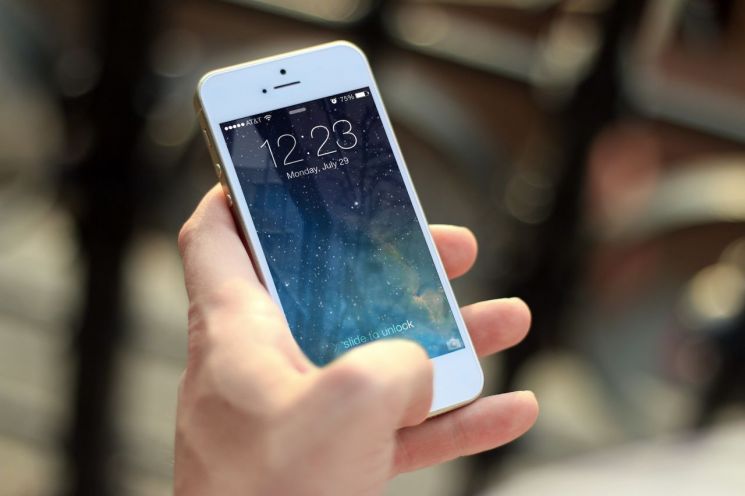
[Asia Economy, Intern Reporter Lee Gyehwa] A recent study presented at the annual meeting of the American College of Allergy, Asthma and Immunology (ACAAI) revealed that smartphones, widely used by many people, contain a seriously high amount of various allergy-causing substances. Patients with respiratory diseases such as allergic rhinitis and asthma should use smartphones with extra caution, and simply cleaning them thoroughly can prevent the worsening of their conditions.
A research team from the Department of Public Health at the University of Iowa conducted experiments to determine how many allergy-causing substances are present on smartphones. They found allergens such as β-D glucan (BDG), bacterial endotoxins, and pet antigens from dogs and cats. The levels were also high. BDG is an antigen found in fungal cell walls that irritates the airways and particularly worsens allergic rhinitis.
Pet antigens from dogs and cats were detected in high concentrations on smartphones of pet owners. They were also found on smartphones of people who do not own pets. The research team stated, "The phones of pet owners showed a severe contamination level, serving as hosts for various allergy antigens such as animal dander and fungi," and added, "As smartphones are exposed to various environments, antigen molecules appear to have transferred to the phones of people who do not own pets." They further emphasized, "Patients with allergies and asthma should clean their phones as often as possible."
There is also research indicating that electromagnetic waves from smartphones worsen respiratory diseases. The otolaryngology research team at Ajou University Hospital observed the movement frequency of nasal mucosal cilia after exposure to electromagnetic waves with the same frequency (1.8 GHz) and intensity (SAR=1W/kg) as smartphones. The ciliary movement ability exposed to smartphone electromagnetic waves decreased by 11% compared to normal cilia. Reduced mucociliary movement makes it much easier for external substances to enter the body, increasing the likelihood of inflammation. For those who already have respiratory diseases, symptoms may worsen. The research team advised, "Especially patients with respiratory diseases such as allergic rhinitis and asthma should use smartphones cautiously."
Regularly cleaning smartphones thoroughly with alcohol swabs alone can prevent the worsening of allergic diseases. The research team also identified disinfectants effective at removing allergy-causing substances attached to smartphones. They compared cleaning with 70% isopropyl alcohol, non-bleached Clorox (0.184% benzyl, ethyl benzyl ammonium chloride), 0.12% chlorhexidine, 0.05% cetylpyridinium chloride, 3% benzyl benzoate, and 3% tannic acid against not cleaning. Chlorhexidine and cetylpyridinium were most effective in reducing BDG and endotoxins. Benzyl benzoate and tannic acid effectively removed pet antigens. Cleaning with alcohol disinfectants was much more effective than not cleaning. The research team concluded, "Although most allergy antigens cannot be avoided, frequently cleaning smartphones can reduce the risk of suffering from allergies and asthma."
© The Asia Business Daily(www.asiae.co.kr). All rights reserved.
![Clutching a Stolen Dior Bag, Saying "I Hate Being Poor but Real"... The Grotesque Con of a "Human Knockoff" [Slate]](https://cwcontent.asiae.co.kr/asiaresize/183/2026021902243444107_1771435474.jpg)
















