Insufficient Regulation of Alcohol Content on Communication Media like YouTube and OTT
Risky Drinking Rate Among Underage Drinkers at 45.5%
Rep. Nam In-soon Urges System Improvement to Prevent Underage Drinking Promotion
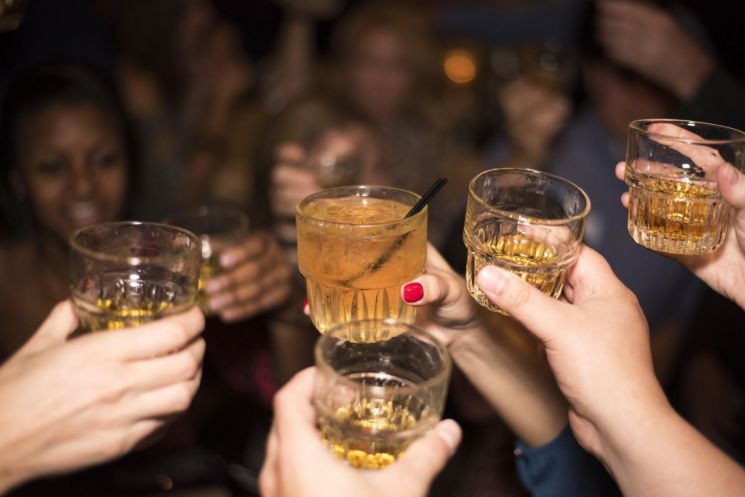
[Asia Economy Intern Reporter Lee Gyehwa] On communication media such as YouTube and online video services (OTT), minors can easily access videos of 'Sulmeokbang' (broadcasting while drinking alcohol) without adult verification. However, there are currently no measures to regulate Sulmeokbang videos that adolescents can indiscriminately access. This highlights the need to establish countermeasures to regulate communication media, which have a significant influence on encouraging underage drinking.
According to the monitoring results of drinking videos on YouTube by the Korea Health Promotion Institute, 90 out of 100 drinking-related contents on YouTube depict drinking positively. They also show negative behaviors during drinking (excessive drinking, binge drinking, bomb shots, swearing, sexual depictions, etc.). Some content appears to advertise alcoholic products. The average number of views is about 800,000, suggesting considerable exposure to children and adolescents.
The average age at which domestic adolescents first experience drinking one or more drinks is 13 years old. In 2021, the rate of risky drinking among adolescent drinkers (defined as consuming an average of three or more soju shots per occasion in the past 30 days) was 45.5%, which is high. Notably, among drinkers, female adolescents showed a higher rate of risky drinking than adult women. In 2020, the risky drinking rate among adolescent girls was 52.9%, higher than the monthly drinking rate of adult women (aged 19 and over who drank at least once a month) at 47.8% in the same year.
Kim Seoksan, director of Dasarang Central Hospital, a Ministry of Health and Welfare-designated specialized hospital for alcohol-related diseases, expressed concern, saying, "Adolescents have not yet formed a proper perspective on drinking. When they encounter trivialized drunkenness through media, they can become desensitized to the seriousness of drinking and binge drinking." He added, "Active interest and intervention are necessary not only at the individual adolescent level but also at the national level."
Broadcast media such as TV strictly review alcohol advertisements through the Korea Communications Standards Commission based on the Broadcasting Act's review regulations. If alcohol advertisements violate the law, the content can be changed or banned. Violators may face imprisonment of up to one year or fines up to 10 million KRW.
In contrast, communication media lack protective measures such as blocking adolescent accounts. According to the Korea Health Promotion Institute, among violations of alcohol advertising standards from January to June this year, social networking services (SNS) accounted for 895 cases (95%), ranking first. This was followed by print media with 22 cases (2%), digital media such as web banners with 15 cases (1%), and broadcast media with 8 cases (1%). However, from last year to June this year, there were no detected violations of alcohol advertising regulations on communication media such as YouTube and OTT. A representative from the Korea Health Promotion Institute stated, "There is no way to punish alcohol-related content uploaded on YouTube or OTT," adding, "We are preparing a legal amendment to regulate alcohol advertising on communication media in the mid to long term."
At the National Assembly audit on the 12th of last month, Nam Insoon, a member of the Democratic Party of Korea, pointed out the risks of beer products using familiar foods such as 'Cider Beer' and 'Shrimp Crackers Beer.' Rep. Nam said, "The popular image is being used for alcohol marketing, which can instill a drinking-friendly perception among adolescents." She added, "We need to promptly establish institutional improvements such as separate guidelines for collaborative alcohol advertisements that may adversely affect adolescents," and requested, "Please expand the budget and personnel for preventing the harms of alcohol marketing."
© The Asia Business Daily(www.asiae.co.kr). All rights reserved.

















