US CDC: 44% of New COVID-19 Infections Are BQ.1 and BQ.1.1
"Particularly Dangerous for Immunocompromised Patients Such as Organ Transplant and Cancer Patients"
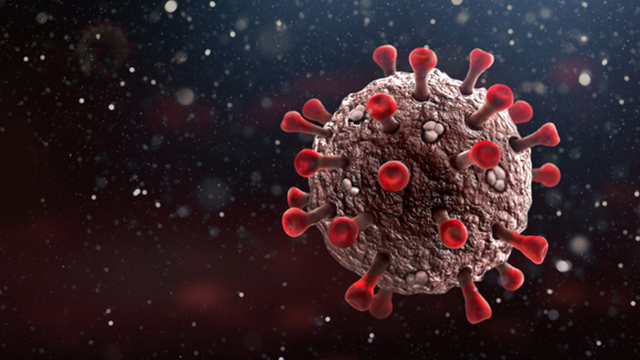
[Asia Economy Reporter Kim Hyunjung] It is predicted that the new Omicron subvariants BQ.1 and BQ.1.1, which are resistant to antibody treatments, will become the dominant strains in the United States next week.
On the 11th (local time), the US CNBC broadcast reported this, citing data from the US Centers for Disease Control and Prevention (CDC). According to the data released by the CDC, among the new COVID-19 cases in the US, 44% are infected with the Omicron subvariants BQ.1 and BQ.1.1, an increase of 12% from 32% last week. The currently dominant Omicron BA.5 variant accounts for 29% of new infections.
The BQ.1 and BQ.1.1 variants are particularly more dangerous for people with severely compromised immune systems, such as organ transplant recipients and patients undergoing cancer chemotherapy. Immunocompromised individuals often do not achieve sufficient protection from COVID-19 vaccines alone and require additional medications to protect them from the virus. People with moderate or more severe immune system impairment need to receive 'antibody cocktail' injections like Evusheld twice every six months to protect themselves from severe illness. However, since BQ.1 and BQ.1.1 are likely to be resistant to Evusheld, immunocompromised individuals become increasingly vulnerable to COVID-19 infection as these subvariants become dominant.
Additionally, the BQ.1 and BQ.1.1 variants may reduce the effectiveness of bebtelovimab, a monoclonal antibody administered to immunocompromised patients to prevent severe disease, besides Evusheld. Pfizer's antiviral drug Paxlovid remains effective against BQ.1 and BQ.1.1 variants, but many organ transplant patients cannot take Paxlovid due to drug interactions with other essential medications they must take.
Dr. Anthony Fauci, director of the National Institute of Allergy and Infectious Diseases (NIAID) and chief medical advisor to the White House, said in a radio interview last week, "As the immune-evasive BQ variants increase weekly, the United States stands at a new crossroads in COVID-19," adding, "What we worry about is that if these new variants become much more dominant than expected, some of our weapons may become ineffective." Dr. Fauci also recommended that high-risk groups wear masks indoors in public places this fall and winter, and that people living with high-risk family members also wear masks when going out. He further advised considering taking a rapid COVID-19 antigen test before attending indoor social gatherings.
© The Asia Business Daily(www.asiae.co.kr). All rights reserved.
![Clutching a Stolen Dior Bag, Saying "I Hate Being Poor but Real"... The Grotesque Con of a "Human Knockoff" [Slate]](https://cwcontent.asiae.co.kr/asiaresize/183/2026021902243444107_1771435474.jpg)











