Beware of Norovirus Winter Food Poisoning, "Be Careful of Human-to-Human Transmission and Build Immunity"
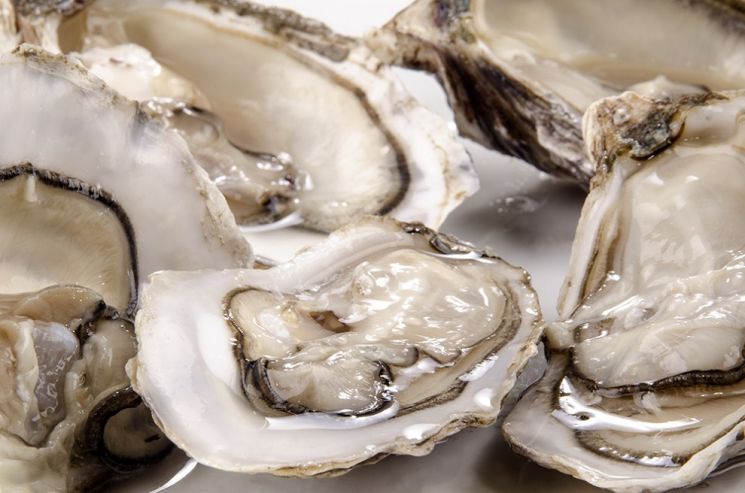
[Asia Economy Yeongnam Reporting Headquarters Reporter Kim Yong-woo] The oyster season has arrived, and an unwelcome “uninvited guest” that can survive even at minus 20℃ is targeting you!
Recently, the Ministry of Oceans and Fisheries established a 2022-2023 acute illness virus management plan to ensure safe consumption of shellfish during winter and has begun inspecting and managing the entire process from production to distribution.
From now, when the cold wind blows, until the following spring, shellfish such as oysters, mussels, and scallops are seasonal foods at their peak flavor. In particular, oysters are a popular winter delicacy sought after by gourmets nationwide.
However, shellfish can carry viruses such as norovirus, which can lead to acute infectious gastroenteritis, so special caution is required when consuming them.
According to the food poisoning occurrence status announced by the Ministry of Food and Drug Safety last year for the five years from 2016 to 2020, bacterial food poisoning such as pathogenic Escherichia coli and Salmonella is more common in summer, but viral food poisoning such as norovirus increases in winter.
Food poisoning caused by norovirus totaled 230 cases with 4,817 patients, and from November to March, a total of 145 cases (63%) and 2,524 patients (52%) were concentrated.
Norovirus infection is acute gastroenteritis caused by Norovirus infection and is transmitted through ingestion of virus-contaminated food, contact with infected persons, contaminated hands, and indirect or direct contact with contaminated surrounding items.
In winter, people may neglect food poisoning prevention activities thinking food does not spoil easily, but norovirus can survive at low temperatures below minus 20℃, so it cannot be considered safe even in winter.
The main symptoms appearing after an average incubation period of 12 to 48 hours are diarrhea and vomiting, and abdominal pain, fever, chills, and fatigue may also occur. Frequent diarrhea or vomiting can lead to dehydration, so it is important to drink plenty of water.
In healthy adults, symptoms improve spontaneously after 2 to 3 days, but in infants, the elderly, and immunocompromised individuals, severe dehydration can occur. If symptoms such as ▲excessive thirst ▲low urine output ▲dry mouth and throat ▲unusual drowsiness or sensitivity to stimuli ▲headache, dizziness appear, immediate medical attention should be sought at the nearest medical institution for treatment including intravenous fluid therapy.
Im Tae-won, head of the Gastrointestinal Endoscopy Center at Daedong Hospital (specialist in gastroenterology), said, “Norovirus infections mainly increase from November and peak in December and January, so caution is needed when consuming shellfish from now on,” adding, “Since norovirus can be transmitted between people, it is necessary to learn how to respond and prevent transmission if a patient occurs nearby.”
To prevent norovirus infection, thorough hand hygiene should be practiced in daily life, such as after using the restroom, before eating, before and after cooking, and after diaper changes. Water and foods such as oysters and shellfish should be cooked thoroughly before consumption.
If diagnosed with norovirus infection, avoid handling or preparing food, and if living in a group setting, refrain from group activities until two days after vomiting or diarrhea symptoms have disappeared.
If living with family, it is best to stay alone in a separate room if possible, and personal hygiene items such as towels should be separated. Food touched by the patient, restrooms, doorknobs, and items should be disinfected, dishes washed with hot water and detergent, and laundry should be done separately.
© The Asia Business Daily(www.asiae.co.kr). All rights reserved.

















