[Seoul District News] Gwanak-gu Opens Gwanak Branch 3 Our Neighborhood Care Center on the 1st, Providing Regular and Temporary Care, Special Activities & Universal Care Services Regardless of Parent Income for Children Aged 6 to 12 & Additional Branches 4 and 5 to Open in Euncheon-dong and Nangok-dong by Early Next Year for Balanced Regional Care ... Jongno-gu Launches Child Abuse Eradication Campaign in November ... Gangdong-gu Expands and Renovates Children's Protection Zones ... Geumcheon-gu Youth
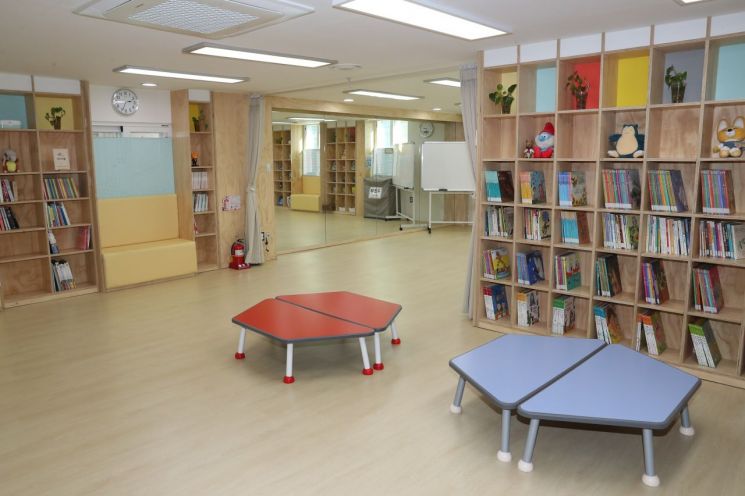
[Asia Economy Reporter Park Jong-il] Gwanak-gu (Mayor Park Jun-hee) opened the “Gwanak Branch No. 3 Our Neighborhood Care Center,” a safe place where parents can confidently leave their children nearby, on the 1st.
Our Neighborhood Care Center is a public care space that provides after-school regular care, temporary care, experiential activities, learning, and play programs for elementary school students in need of care due to dual-income families, regardless of parental income.
The newly opened “Gwanak Branch No. 3 Our Neighborhood Care Center” is located on the 2nd floor of Cheongnim Senior Citizens’ Center (37 Cheongnim 2-gil) with an area of 152㎡, consisting of ▲study and reading space ▲experiential activity room ▲counseling room ▲kitchen space.
The center director and care teachers reside on-site and regularly operate “regular care,” and also provide “temporary care” during school closures or emergencies involving users. In addition, special activities such as snack provision, homework guidance, reading programs, and arts and physical education activities are offered.
The center’s capacity has been expanded compared to branches 1 and 2, with 25 children for regular care and 5 for temporary care.
Operating hours are from 1 PM to 7 PM during the school term and from 9 AM to 7 PM during vacations. The fee is 50,000 KRW per month for regular care including snacks, and 2,500 KRW per day for temporary care.
“Our Neighborhood Care Center” is an after-school care program for elementary students, available to any child aged 6 to 12 from dual-income families in need of care, regardless of income level.
Currently, Gwanak-gu operates three centers: Gwanak Branch No. 1 in Seorim-dong, Gwanak Branch No. 2 in Sinwon-dong, and Gwanak Branch No. 3 in Cheongnim-dong, addressing after-school care concerns.
Residents wishing to use the center can apply for care services by visiting or calling after registering through the Our Neighborhood Care Portal.
The district plans to add branches 4 and 5 in Euncheon-dong and Nangok-dong by the first half of next year, aiming to expand evenly by region considering future elementary care demand.
Mayor Park Jun-hee said, “With the continuous increase in social care demand such as dual-income families, establishing a systematic care system is more urgent than ever. We will do our best to provide high-quality community elementary care services so that children can use them healthily and happily.”
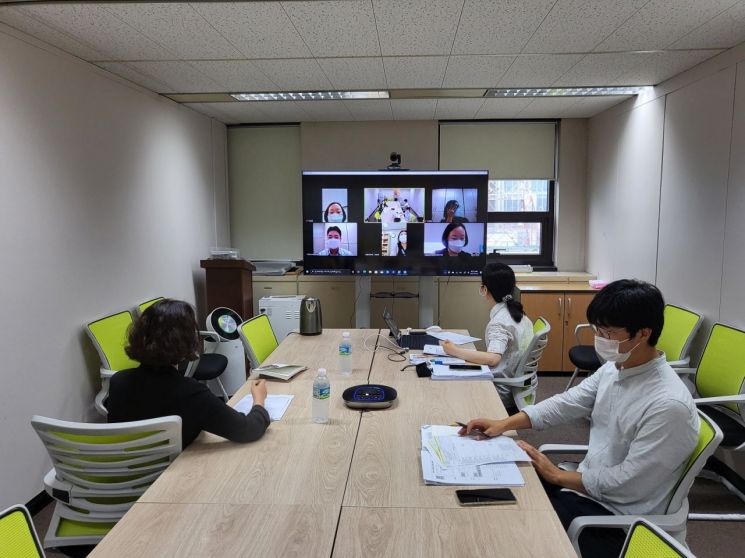
Jongno-gu (Mayor Jeong Moon-heon) is making efforts to contribute to the prevention of child abuse at the community level and to widely raise awareness of the seriousness of child abuse among residents ahead of Child Abuse Prevention Day on November 19.
As part of this, from the 1st to the 30th of this month, promotional materials for child abuse prevention are attached and operated on the local village bus “Jongno No. 12,” and a child abuse prevention campaign is underway.
The campaign focuses on emphasizing that child violence is a crime and urging prompt reporting when victims are discovered, in cooperation with Jongno-gu’s child abuse response related organizations.
The village bus with promotional materials runs mainly in areas frequented by residents and tourists such as Seoul National University Hospital, Jongno 1-5 ga subway stations, Hyehwa-dong, and Changgyeonggung Palace. This aims to raise awareness of child abuse issues in daily life for everyone living in Jongno and to remind that community interest is crucial for child protection.
Additionally, since last year, Jongno-gu has been operating a specialized project called “Visiting Child Psychological Counseling Experts.”
The target is decided through the Seoul-type Child Abuse Judgment Meeting, and experts from the Gwanghwamun Psychological Treatment Center, which has a business agreement with Jongno-gu, visit the homes of victimized children. The program provides psychological counseling, testing, and treatment for not only the victim children but also their entire family members, aiming ultimately to restore family functions.
Furthermore, education on child abuse prevention and protection is being conducted for all employees until December 1. This essential training for creating an environment where children’s rights are respected and they can live safely includes learning about “child abuse prevention laws,” “major cases,” and “how to report when discovering abused children.”
Since last year, the district has also been operating the “Smart Child Protection Counseling Room” (photo) to strengthen the child abuse response system. This facility conducts face-to-face and non-face-to-face consultations and investigations on child abuse in cooperation with Seoul Jongno Police Station, Seoul Hyehwa Police Station, Seoul Jungbu Office of Education, and Seoul Eunpyeong Child Protection Agency.
Mayor Jeong Moon-heon stated, “All community members must actively work to protect children exposed to violence. We will solidify Jongno’s differentiated child protection system to eradicate child abuse in the area and pay special attention to prevent any care gaps.”
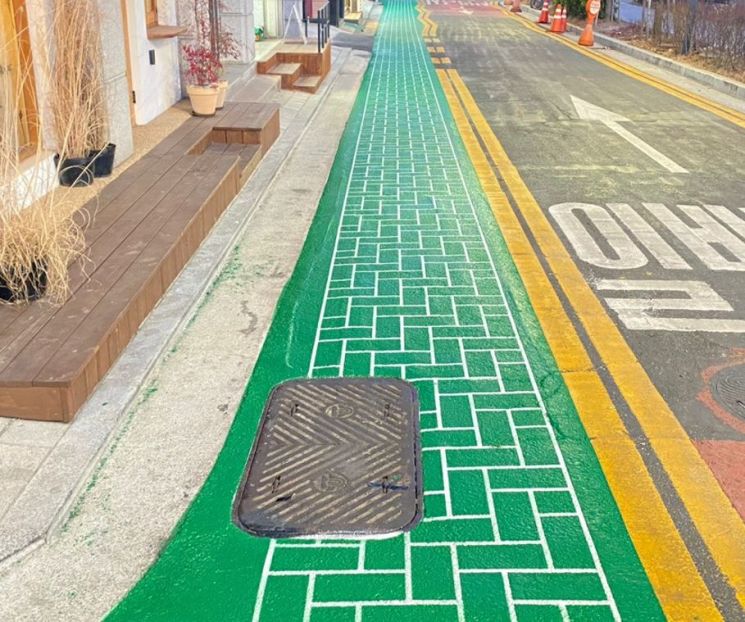
Gangdong-gu (Mayor Lee Soo-hee) announced that it is promoting a project to improve children’s protection zones to create a safer traffic environment for children and pedestrians.
This year, the district expanded the designation of children’s protection zones to include Seonrin Elementary School and Seongnae Elementary School, and plans to renovate five children’s protection zones including Gugang Kindergarten, Gurokgyo Public Daycare Center, Yeeun Daycare Center, Junhyun Kindergarten, and Chorongbyeol Public Daycare Center.
The children’s protection zone improvement project supplements outdated or insufficient traffic safety facilities such as traffic safety signs, road markings, and anti-slip pavement in children’s protection zones and installs pedestrian spaces along school routes.
In addition, the district plans to expand the installation of smart crosswalks equipped with ground-level traffic lights and voice guidance devices. So far, the district has installed ▲84 ground-level traffic lights ▲15 voice guidance devices, and by the end of the year, it plans to add ▲7 ground-level traffic lights ▲5 voice guidance devices in six children’s protection zones including Gangdeok Elementary School.
Through close cooperation with Seoul City, the district will further expand smart crosswalk installations to ensure pedestrian traffic safety.
The district expects that the children’s protection zone improvement project will greatly help prevent traffic accidents involving pedestrians, especially children, by enhancing visibility and creating safe school routes.
Yoon Hee-eun, Director of Traffic Administration, said, “We will continue to do our best to create a safe traffic environment for pedestrians through projects such as expanding smart crosswalks and improving children’s protection zones.”
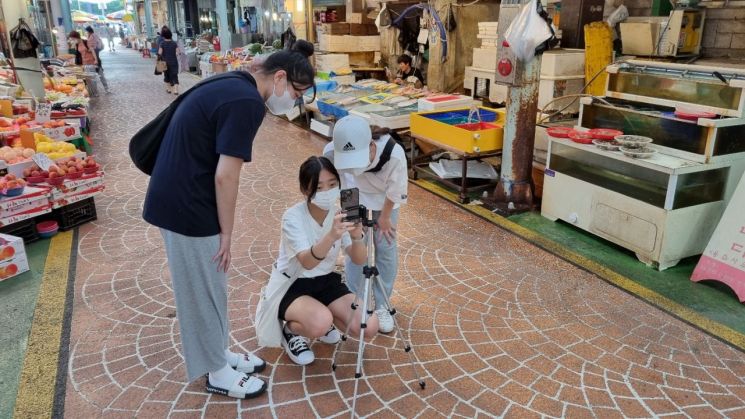
Geumcheon-gu (Mayor Yoo Sung-hoon) conducted the “Geumcheon Youth Market-ing” project supported by the Ministry of Gender Equality and Family and the Korea Youth Activity Promotion Agency, as well as the “Mi.Eo.Ket Project” through the Geumcheon-gu Resident Participatory Budget from April to October.
This project started as a youth social participation activity aimed at revitalizing traditional markets, which are becoming less frequented by youth and young adults, by having young people directly engage in marketing and promotional activities.
In the “Geumcheon Youth Market-ing” activity, local youth from Doksan-dong interested in design and marketing designed and produced various marketing materials to promote and revitalize Byeolbit Nammun Market, a traditional market in Geumcheon-gu, and delivered them to stores within the market. In September, they also held an event for market visitors.
Additionally, the “Mi.Eo.Ket (Future Harmony Market) Project” involved students from the Visual Animation Department of Seoul Magnet High School, who designed price tags, business cards, promotional leaflets, and filmed promotional videos for Eunhaengnamu Market in Siheung-dong, leveraging their department’s characteristics to help revitalize the market.
Kim Dong-hyun, a youth participant from Munil High School, said, “Although the design work was difficult as it was my first time, I felt proud that our activities helped revitalize the market even a little. It also sparked my interest in design-related careers.”
Doksan Youth Culture House signed a business agreement with Hansung University Handi One to support youth in conducting more professional activities with experts and university students from related departments.
Mayor Yoo Sung-hoon said, “We will create opportunities for youth to learn their roles as community members through proactive social participation activities and to discover their aptitudes and interests.”
For more information, inquiries can be made to the Child and Youth Division or Doksan Youth Culture House.
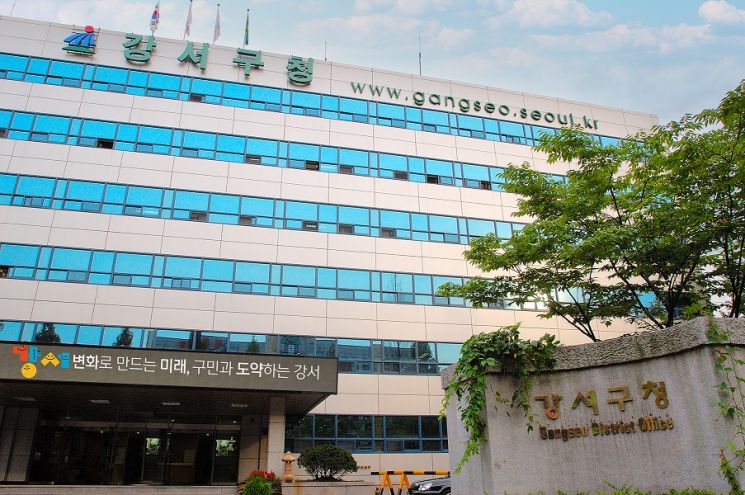
Gangseo-gu, Seoul (Mayor Kim Tae-woo) announced that it will implement the “Youth Safety Net Support Package” project to provide warmth to youth in crisis.
Youth in crisis refers to young people who lack the necessary conditions for healthy growth and living due to family problems, difficulties in academic performance, or social adaptation challenges.
According to a survey by the Ministry of Gender Equality and Family, about half of youth in crisis have experienced physical or verbal abuse from parents or guardians, highlighting the urgent need for protection and support in our society.
This project was prepared to help youth in crisis within the community have a warm winter by providing necessary items, supporting their healthy and proper growth, and establishing a more thorough care support system.
The support targets 60 youth in total: 30 selected through the Youth Safety Net project and 30 recommended by community service centers and related organizations.
The district will deliver support packages in three rounds by December to help youth in crisis spend the winter warmly and safely.
In early November, heating supplies such as goose down blankets and heat packs will be provided; in late November, food items like seaweed, tuna, ham sets, and vitamins will be distributed to help youth maintain good nutrition.
Finally, in December, first aid kits and essential medicines will be provided to prepare youth for emergencies.
The district plans to produce the support packages and send them individually by courier to the youth, along with messages of encouragement.
Mayor Kim Tae-woo of Gangseo-gu said, “It is crucial for our society to build a more comprehensive youth safety net to protect youth in crisis caused by poor family environments, school violence, and other factors. Gangseo-gu will also prepare various support measures so that youth can grow up healthy and properly in a safe environment.”
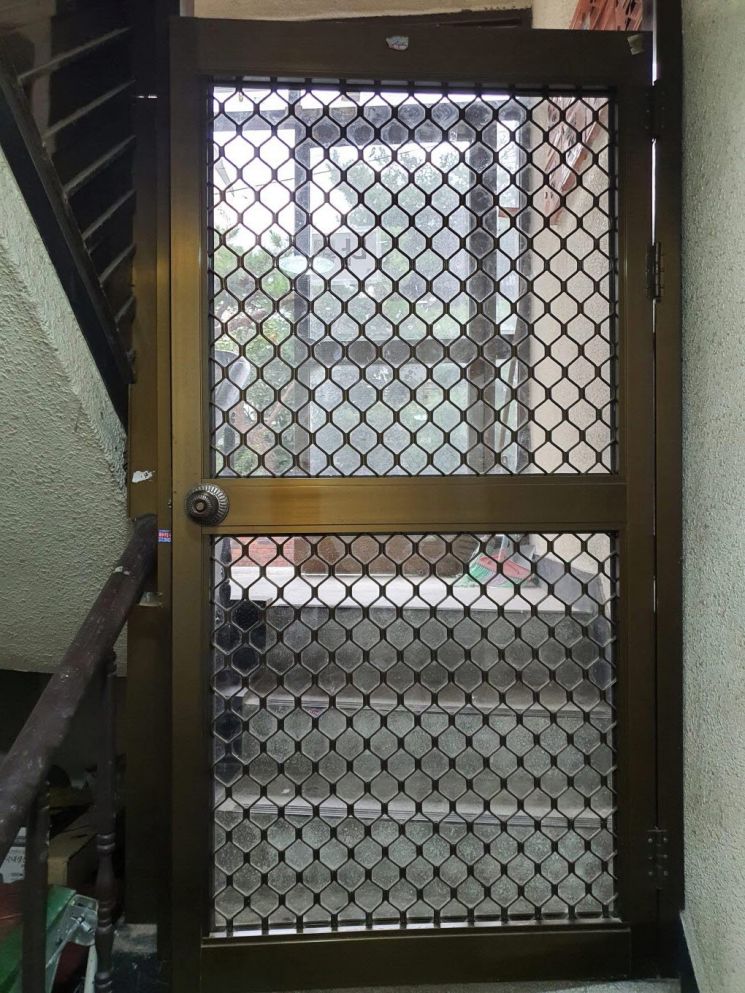
Geumcheon-gu (Mayor Yoo Sung-hoon) will support strengthening security for entrance doors to ensure a safe living environment for low-income households.
The support targets households with income below 60% of the median income (including basic livelihood security recipients and near-poverty groups) residing in houses under the Housing Act.
Geumcheon-gu has selected 20 households through recommendations from community service centers and plans to replace door locks and install safety nets or security bars on front doors for necessary households by the end of November.
Mayor Yoo Sung-hoon of Geumcheon-gu said, “We hope this door security enhancement project will help vulnerable residents live safely from crime. We will continue to strive to improve the living environment for socially disadvantaged groups.”
For more details, inquiries can be made to the Welfare Support Division of Geumcheon-gu Office.
© The Asia Business Daily(www.asiae.co.kr). All rights reserved.



















