[Seoul District News] Seongdong-gu Distributes Stickers to 11,000 Single-Person Households Aged 65+ for Safety and Convenience · Enables Quick Response in Emergencies with Road Name Address and Emergency Contact Verification ... Gwanak-gu Launches 'AI Check-in Service' for 819 Socially Isolated Households from November ... Dobong-gu Selected for Mobile Healthcare Project by Ministry of Health and Welfare, Providing Non-Face-to-Face Health Management ... Dongdaemun-gu Offers Welfare Services for Customized Benefit Dropouts to Address Welfare Blind Spots
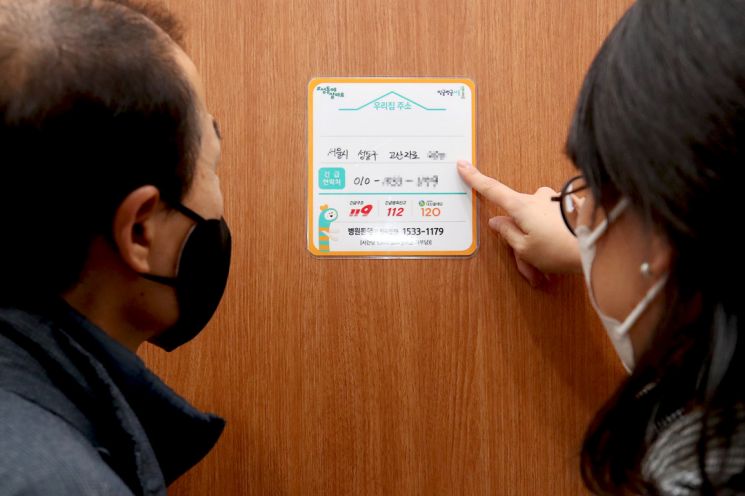
[Asia Economy Reporter Park Jong-il] Seongdong-gu (Mayor Jung Won-oh) announced that it has completed the distribution of indoor ‘Road Name Address SOS Stickers’ to 11,000 single-person households of elderly people aged 65 or older living alone.
Single-person households without family members living together often experience delayed emergency reporting during urgent situations such as falls or fires at home, as they may not remember not only their home address but also emergency contact numbers they usually know well, leading to serious accidents.
Accordingly, the district produced and distributed road name address stickers to elderly single-person households unfamiliar with using road name addresses, enabling them to quickly and accurately convey their address in emergencies. The stickers measure 15cm in width and 16cm in height, are printed in large fonts for easy recognition by the elderly, and come with magnets and adhesive backing so they can be attached to bathroom walls?where falls frequently occur?as well as next to refrigerators or TVs.
The stickers include the household’s road name address, the Ministry of Health and Welfare counseling center, hospital safe accompaniment phone numbers, and space for writing emergency contact numbers of guardians such as children. The stickers were delivered directly to single-person households along with informational leaflets through welfare planners and welfare accountants at the community level. During delivery, the elderly’s health status, living environment, and other living conditions were assessed, making it a valuable opportunity to identify welfare blind spots.
Additionally, stickers with blank address fields were prepared and distributed to elderly residents who recently moved into Seongdong-gu or other residents in need of road name address stickers.
So far, the district has promoted life-oriented projects for single-person households, such as support for safety equipment and secure lease contract assistance services. To provide tailored projects for single-person households, which account for over 43% of all households in the area, a Single-Person Household Support Center was opened in Majang-dong in August this year, actively promoting health improvement projects and art therapy counseling as part of specialized health care services.
Jung Won-oh, Mayor of Seongdong-gu, said, “We hope the road name address stickers, essential in emergencies, will protect the safety of the elderly and help improve their convenience in daily life. Seongdong-gu will spare no effort in providing various support for the healthy daily lives of single-person households.”
Recently, welfare care services using artificial intelligence (AI) have been expanding. This is because it is difficult to meet the explosively increasing care demand with manpower alone.
Gwanak-gu (Mayor Park Jun-hee) will officially operate the ‘AI Well-being Check Service’ from November to actively manage socially isolated households at risk of solitary death and prevent such incidents.
The ‘AI Well-being Check Service’ is a system developed by SK Telecom based on AI technology, where the ‘NUGU Biz Call’ AI automatically calls to check on the well-being of the target and supports emotional stability.
The district will conduct the service for 819 people at high risk of social isolation, including elderly living alone and middle-aged single-person households.
The AI automatic outbound call makes weekly calls to households at risk of solitary death, asking simple questions about health status, meal intake, and inconveniences to check on their well-being. The call data is then analyzed and sent to the local community center to monitor and provide welfare services or other follow-up actions.
If the target does not answer three or more times or if signs of risk are detected during the conversation, a counselor at the ‘Happy Connect’ control center immediately calls to assess the situation. In case of emergencies, the information is passed to the community center, and welfare planners promptly dispatch to the site to actively respond to urgent situations.
The district is discovering crisis households and resolving care blind spots by utilizing various smart advanced technologies such as the Internet of Things (IoT), mobile apps, KakaoTalk channels, AI home care, and companion robots.
For example, the ‘IoT Smart Plug’ automatically connects to the community center in real time if there is no change in electricity usage for 50 hours, and the ‘Seoul Salpimi App’ (a mobile motion detection app) detects screen touches or button operations to check well-being, playing a significant role in confirming the safety of crisis households.
Also, through the KakaoTalk channel ‘Let’s Do Welfare Talk Together,’ non-face-to-face welfare counseling is provided to residents in need, and reports of neighbors in difficulty are accepted.
In particular, the district selected 200 elderly and disabled people living alone who have high levels of depression and difficulties in daily life to provide ‘AI Companion Robots,’ filling the void left by family members. The AI companion robots have functions such as conversational companionship, medication reminders, video calls with social workers for well-being checks, and emergency reporting.
Mayor Park Jun-hee said, “With the increase of single-person households and socially isolated households, issues such as solitary death and other social problems are becoming serious. We will actively promote AI-based smart integrated care projects for vulnerable groups and focus our administrative capabilities on creating a warm and equitable care environment for a happy community.”
Dobong-gu (Mayor Oh Eun-seok) has been finally selected as a participating institution for the ‘2023 Mobile Healthcare’ project hosted by the Ministry of Health and Welfare.
‘Mobile Healthcare’ is a service that provides personalized health consultations without restrictions of time and place through a smartphone health management mobile app (APP).
It targets adults who are classified as at-risk with one or more health risk factors such as ▲blood pressure ▲blood sugar ▲waist circumference ▲triglycerides ▲cholesterol using a smartphone app.
Following this selection, Dobong-gu plans to recruit 100 residents on a first-come, first-served basis from July 2023 to provide the ‘Mobile Healthcare’ service.
Participants will be provided with a smart watch (activity tracker) compatible with the smartphone application. Through monitoring by a dedicated healthcare team composed of doctors, nurses, nutritionists, and exercise specialists, they will receive personalized health management services including nutrition, physical activity, and health counseling for six months (24 weeks).
During the six months, participants will also undergo three health checkups at the public health center. Health management goals will be set for each participant, and health practice tasks will be assigned. Outstanding participants and mission participants will receive small prizes.
Oh Eun-seok, Mayor of Dobong-gu, said, “With this selection, Dobong-gu can provide public health management services using ICT (Information and Communication Technology). As the need for non-face-to-face health management services has emerged due to the prolonged COVID-19 pandemic, we expect this to enhance self-health management capabilities for residents who find it difficult to visit the health center.”
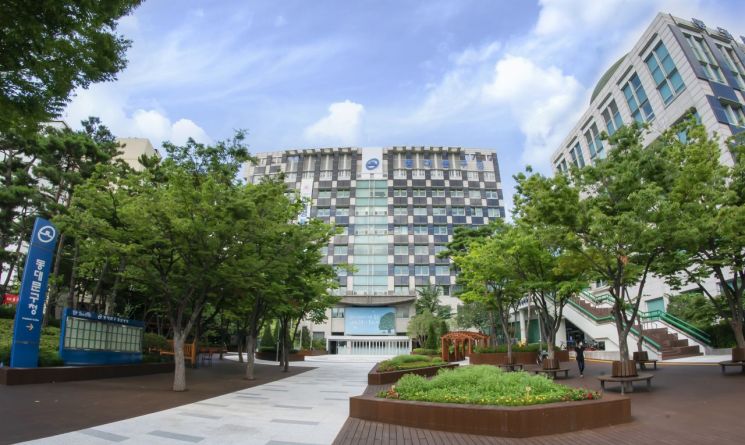
Dongdaemun-gu (Mayor Lee Pil-hyung) is implementing proactive welfare administration by linking detailed welfare safety net services for those who failed to qualify for customized benefits to resolve welfare blind spots.
In response to the growing interest in welfare blind spots, the district plans to protect applicants who unfortunately failed due to exceeding the selection criteria for each benefit by providing economic support, linking customized welfare services, and conducting continuous monitoring.
When customized benefit rejection is decided, a primary investigation will be conducted to determine eligibility for Seoul-type basic livelihood security support. Additionally, the district will check the possibility of providing customized services that meet the welfare needs of the target, such as emergency support, Care SOS support, lower-income class, and cancer patient medical expense support.
If institutional support is difficult after the first review, secondary support will be provided through service linkage via the Community Chest of Korea, and finally, support will be pursued through the Dong Hope Welfare Committee installed at each community center.
Lee Pil-hyung, Mayor of Dongdaemun-gu, said, “We will continuously discover more detailed welfare resources than the current welfare safety net and connect them to residents who are not protected institutionally. We will do our best to create an institutional safety net to alleviate the difficulties of residents in welfare blind spots.”
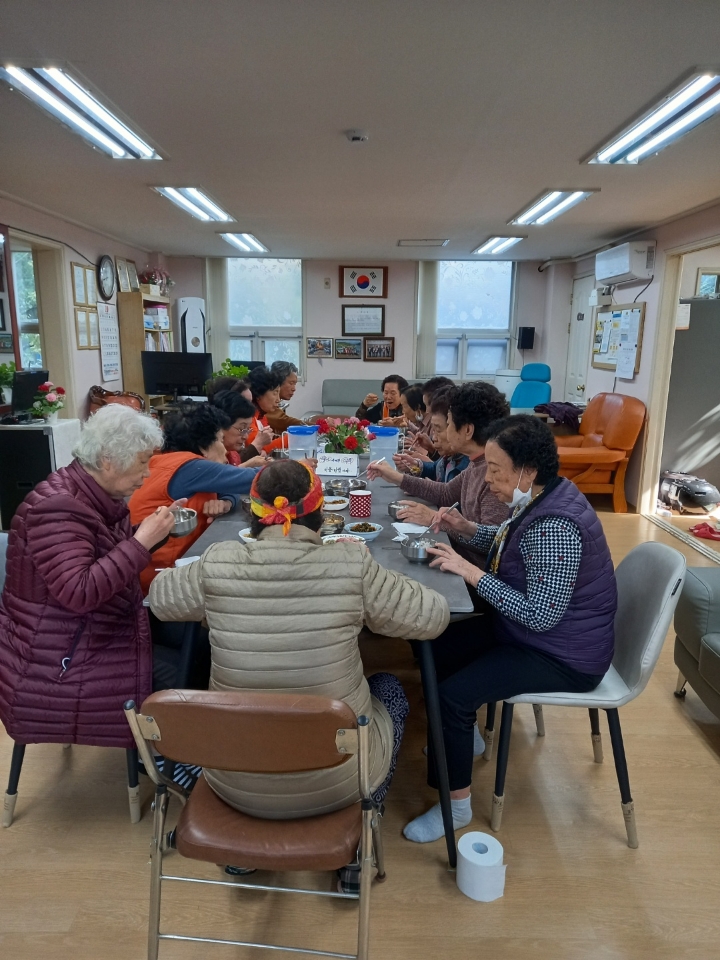
Geumcheon-gu (Mayor Yoo Sung-hoon) will provide additional government rice support to 73 local senior centers to promote stable leisure activities for the elderly.
Following the government’s lifting of social distancing, Geumcheon-gu resumed meal services within senior center facilities from June this year. Accordingly, government rice was supported to all senior centers in May and September.
However, as demand for additional government rice support continues to increase, the district decided to provide additional support within the budget to senior centers that requested it.
The ‘Senior Center Heating/Cooling and Rice Support’ project is a national and city subsidy project that allows flexible integrated use between items. Due to the suspension of senior center operations nationwide from February 14 to April 22 because of COVID-19, Geumcheon-gu decided to replace part of the remaining heating cost support with rice support.
Each facility will receive three 20kg bags of government rice, which will be delivered through the local self-sufficiency center (Geumcheon Hope Nareumi Self-Sufficiency Enterprise) in early November. In addition, thorough prior education will be conducted at senior centers to prevent misuse of the government rice for purposes other than designated use.
Yoo Sung-hoon, Mayor of Geumcheon-gu, said, “Senior centers are warm care spaces where local elderly can share meals with neighbors. We will continue to make active efforts to ensure stable operation of senior centers.”
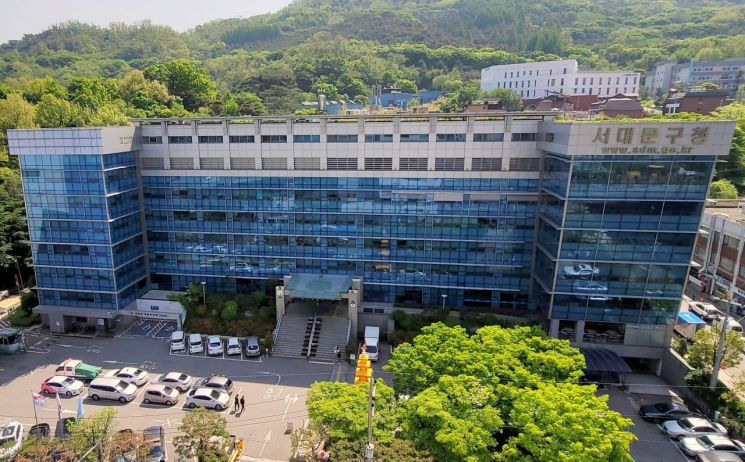
Seodaemun-gu (Mayor Lee Sung-heon) announced on the 1st that it will conduct a full survey over two months in November and December to early detect blind spots among care-leaving children (youth preparing for independence).
As of the end of September this year, home visits and face-to-face counseling will be conducted for 57 care-leaving children in the district receiving government independence allowances.
Through this, basic personal information, emotional support systems such as original family and social relationships, economic and housing independence status will be checked, and individual needs will be surveyed to connect necessary resources.
In February 2020, the district enacted the ‘Seodaemun-gu Ordinance on Support for Children Leaving Child Welfare Facilities in Seoul’ and from April of the same year, became the first autonomous district in Seoul to provide a monthly ‘First Step Social Allowance’ of 200,000 KRW for care-leaving children in the district.
Since 2021, it has also supported rental housing fees up to 200,000 KRW per month.
In the second half of this year, the district has been leading care-leaving children support projects by collaborating with the Seodaemun Housing Safety Comprehensive Center and the Youth Preparing for Independence Association to conduct housing capacity-building education, housing case management consulting, and small group activities.
Through this full survey, the district plans to directly hear the voices of care-leaving children and explore new support measures such as job training and public job linkage in addition to existing support projects.
Lee Sung-heon, Mayor of Seodaemun-gu, said, “We will do our best to ensure that care-leaving children can stably become independent through establishing social support systems and providing customized public services. A thorough understanding of independence status through the full survey will be the most fundamental step for this.”
© The Asia Business Daily(www.asiae.co.kr). All rights reserved.