Painkillers and anesthetics like opium and morphine... New cases doubled from 2019 to 2021
Increase in pets and aging cited as causes... Risk of misuse as narcotic substitutes raised
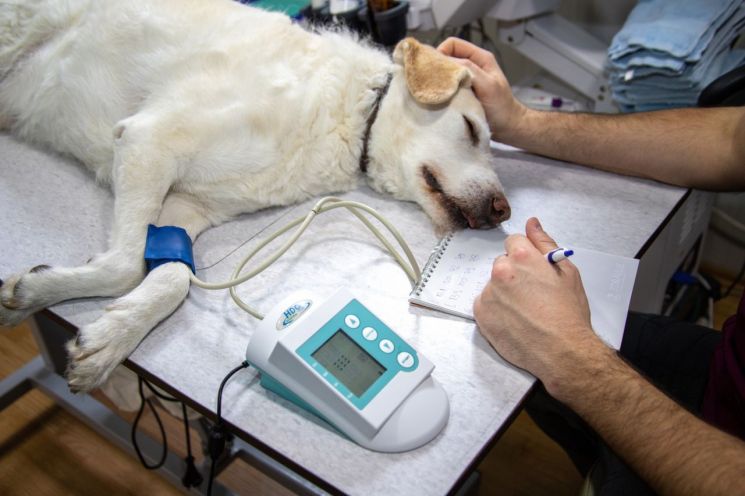
[Asia Economy Reporter Intern Lee Gyehwa] Recently, concerns have been raised that the opioid painkiller fentanyl, prescribed at veterinary clinics, could be misused like narcotics, prompting calls for institutional reforms to oversee the supply and management of pharmaceuticals at animal hospitals.
According to data obtained by Democratic Party lawmaker Shin Hyun-young from the Ministry of Food and Drug Safety, the number of fentanyl patch prescriptions at veterinary clinics increased from 5,602 cases in 2019 to 10,862 cases in 2021, nearly doubling in two years. Considering that 6,090 cases were prescribed by June of this year, the total prescriptions for 2023 are estimated to be 2.2 times higher than those in 2019.
The number of veterinary clinics prescribing fentanyl patches also rose significantly, from 690 clinics in 2019 to 1,070 clinics in 2021. The quantity prescribed surged from 7,505 patches to 13,785 patches, nearly doubling.
Fentanyl patches are analgesic and anesthetic agents belonging to the same class as opium and morphine. Delivered via a skin patch, their potency is 100 times that of heroin and over 200 times that of morphine, making them highly addictive. Due to their ease of use, they are consistently prescribed even to teenagers and younger individuals. Recently, there have been many reports of misuse involving inhaling smoke from burning these patches, raising awareness about narcotic abuse among youth.
This rapid increase in fentanyl patch prescriptions at veterinary clinics has drawn attention because patches prescribed for animals could potentially be used by humans.
Lawmaker Shin stated, "Since fentanyl patches are opioid painkillers with addictive potential and a high risk of misuse, it is necessary to thoroughly analyze the reasons behind the increase in prescriptions at veterinary clinics and verify whether prescriptions are appropriate. Strengthening monitoring systems for animal hospitals is essential to ensure narcotic drugs are used properly through proactive measures."
Currently, there is a management system for pharmaceuticals and narcotics used in veterinary clinics. Similar to human medical care, narcotics handling records are reported to the Ministry of Food and Drug Safety’s Narcotics Integrated Management System. Under the Veterinarian Act, the medical records include the personal information of animal owners and details such as the name and quantity of narcotics used on animals. However, once medication is administered within the clinic, the animal owner's resident registration number is not reported to the narcotics management system.
Veterinarians argue that the increase in pharmaceutical prescriptions at animal hospitals is a natural phenomenon. The population of pet owners continues to grow, and with pets aging, demand for veterinary care has increased. Consequently, the number of animals receiving treatment for chronic and severe illnesses has also risen.
Moreover, the increased use of narcotics like fentanyl patches for pain management reflects a shift in awareness regarding animal rights. Animal rights is the concept that animals possess equal rights to life as humans and fundamentally have the right to avoid unnecessary pain, abuse, and exploitation. Accordingly, pain management through analgesic prescriptions during animal treatment is becoming more actively practiced than before.
The Korean Veterinary Medical Association stated, "Animals suffer from illnesses and pain just like humans do. There are quite a few animal patients undergoing chemotherapy, and the process is equally painful for both animals and humans," adding, "It is illogical to assume that veterinary clinics are a source of pharmaceutical leakage based solely on drug usage statistics. It is important to understand the unique characteristics of both human and animal medical care."
© The Asia Business Daily(www.asiae.co.kr). All rights reserved.

















