[Seoul District News] Gwanak-gu Prioritizes Restoration of 0.62km from Bongcheoncheon Danggok Intersection to Byeolbitnaerimcheon (Dorimcheon) Confluence & Conducts 2023 Feasibility Study, Aiming for June 2026 Construction Start ... Nowon-gu Begins Construction of Gongneung Residents' Sports Center ... Guro-gu Installs Ramps at Small Stores Including Convenience Stores, Pharmacies, Restaurants, and Hair Salons
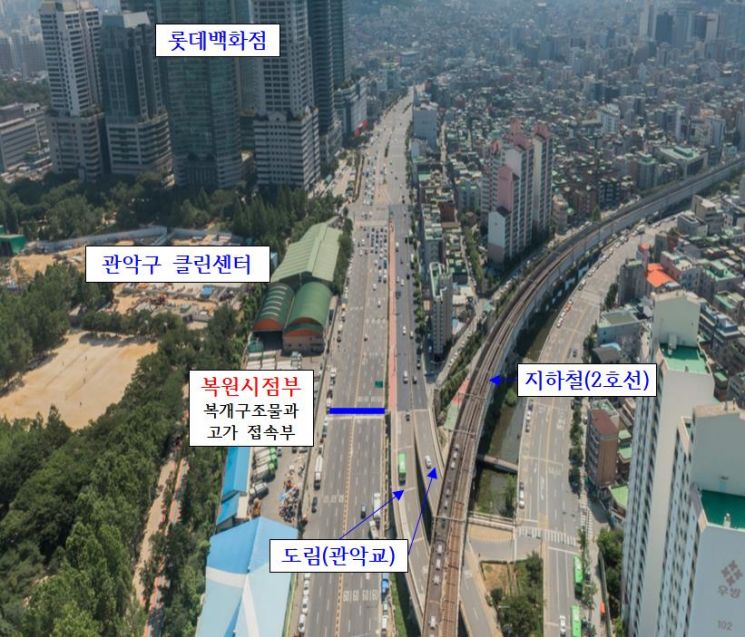
[Asia Economy Reporter Jong-il Park] Gwanak-gu (Mayor Park Jun-hee) is striving to restore Bongcheoncheon, which has been used as a road since 1988 after being covered during the rapid urbanization process in the past, into an ecological stream.
The district completed a feasibility study in 2017 and a basic river plan (revision) in 2019 for the entire 5.02 km section of Bongcheoncheon from the Seoul Metropolitan Office of Education Science Exhibition Hall to the confluence with Byeolbitnaerimcheon. It has been continuously consulting with Seoul City on the ecological restoration of Bongcheoncheon, but has faced difficulties in advancing the project due to funding issues for the total construction cost.
Accordingly, the district plans to first invest a total of 72 billion KRW to restore the 0.62 km section from Danggok Intersection to the confluence with Byeolbitnaerimcheon (Dorimcheon) by 2029. This section is expected to easily secure 10 to 12 lanes when restored and create a waterfront space linked with the Boramae Park and Gwanak Resource Circulation Center underground projects.
First, the district requested 200 million KRW for the Seoul City feasibility and basic plan study to be included in the 2023 Seoul City budget, aiming to complete the feasibility study by October 2023. Subsequently, it will prepare follow-up procedures such as detailed design studies, feasibility investigations by the Korea Institute of Local Administration, and Seoul City investment reviews without delay, targeting groundbreaking in June 2026.
In addition to Bongcheoncheon, the district plans to restore the unrecovered 1.35 km section of Byeolbitnaerimcheon (Dorimcheon) from Dongbang 1 Bridge to the front of Seoul National University’s main gate by June 2024, providing residents with the entire Byeolbitnaerimcheon as an ecological stream.
Mayor Park Jun-hee said, “We expect that the ecological stream restoration project will provide residents with spaces where they can experience nature and relax closer to home,” adding, “We will continue to devote ourselves to ecological stream restoration and waterfront space creation projects to build a clean and sustainable city.”
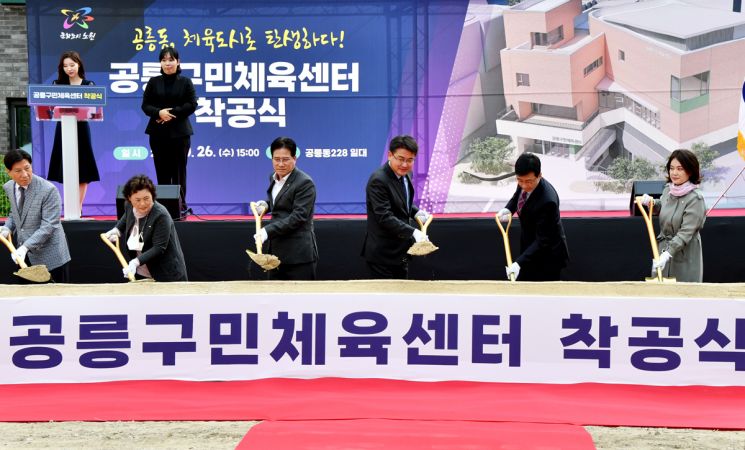
On the 26th at 3 p.m., Oh Seung-rok, Mayor of Nowon-gu, attended the groundbreaking ceremony for the Gongneung Community Sports Center.
About 250 people, including Mayor Oh Seung-rok, members of the National Assembly, city councilors, and residents of Gongneung 1 and 2-dong, attended the ceremony, which proceeded with an opening and national anthem, introduction of guests, progress and plan reports, greetings, congratulatory speeches, athlete’s oath, groundbreaking, and commemorative photo session.
Mayor Oh Seung-rok said, “I am pleased that the establishment of the Gongneung Community Sports Center will expand living sports facilities by region,” adding, “We will continue to do our best to promote residents’ health and the development of sports.”
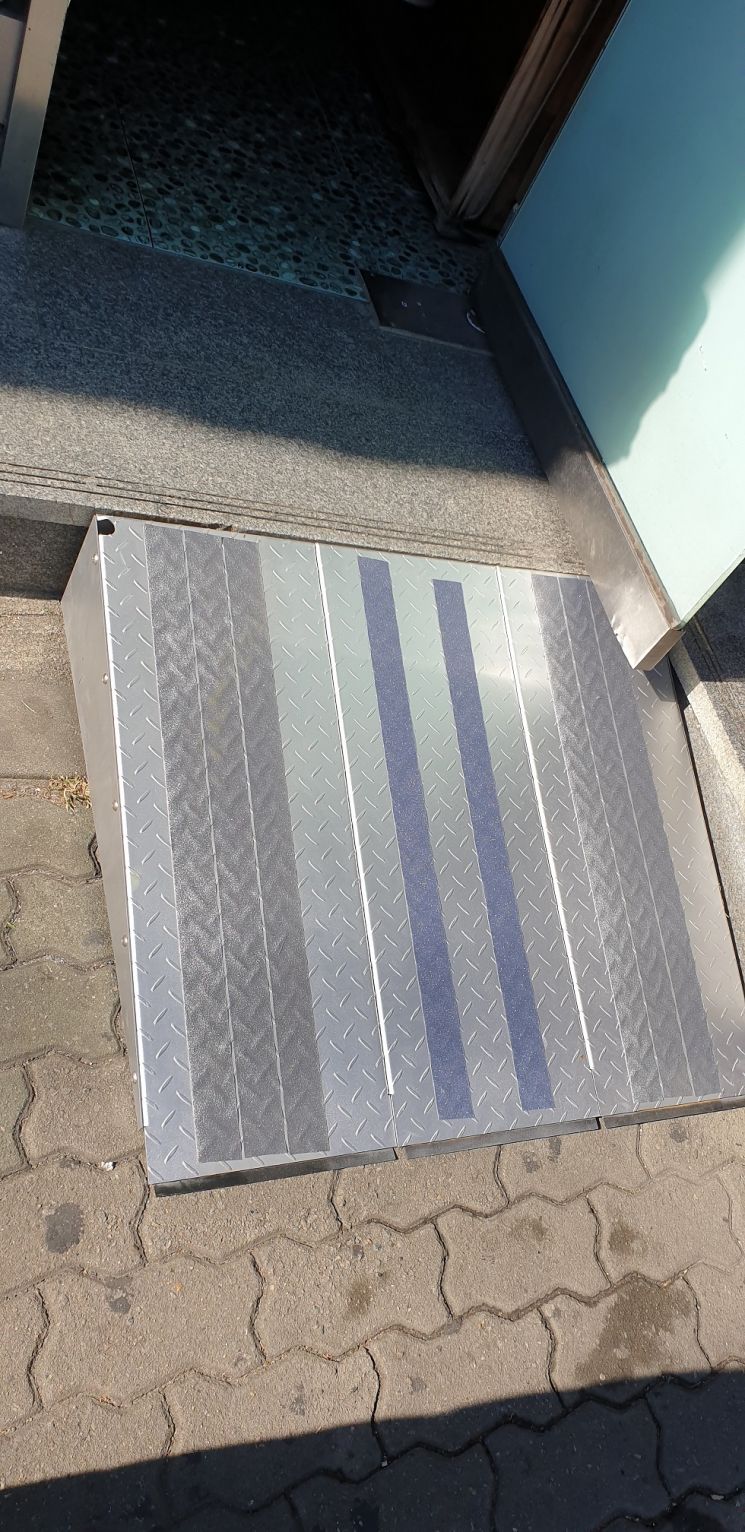
Guro-gu has begun installing convenience facilities to guarantee mobility rights for mobility-impaired individuals.
Guro-gu (Mayor Moon Heon-il) announced on the 26th that it has completed a demand survey for the ‘2022 Living-Oriented Small-Scale Ramp Support Project’ and has started installation in earnest.
The Living-Oriented Small-Scale Ramp Support Project installs customized ramps in small-scale multi-use facilities under 300㎡ to improve accessibility.
This applies to frequently used daily life facilities such as convenience stores, pharmacies, restaurants, hair salons, and cafes. By installing separate sloped ramps where there are thresholds or stairs, it becomes easier not only for wheelchair users but also for the elderly, pregnant women, and parents with strollers to enter and exit.
The district conducted a demand survey in commercial areas from July to October, recruiting ramp installation sites, and received a total of 85 applications. As of October 12, ramps have been installed at 8 locations, with the remainder scheduled to be completed by late November.
Afterward, satisfaction surveys and monitoring will be conducted to manage and maintain the ramps.
A Guro-gu official said, “Ramps are facilities that consider all members of society,” adding, “We will continue to identify and improve inconveniences in daily life for the happy daily lives of all residents.”
© The Asia Business Daily(www.asiae.co.kr). All rights reserved.
![Clutching a Stolen Dior Bag, Saying "I Hate Being Poor but Real"... The Grotesque Con of a "Human Knockoff" [Slate]](https://cwcontent.asiae.co.kr/asiaresize/183/2026021902243444107_1771435474.jpg)













