Growing Importance of ESG in the Wine Market
Eco-Friendly Packaging Like Recycled Paper Gains Spotlight
Increase Aligned with the Spread of Value Consumption Trends
Eco-Friendly Manufacturing Processes... Organic and Vegan Wines Popular
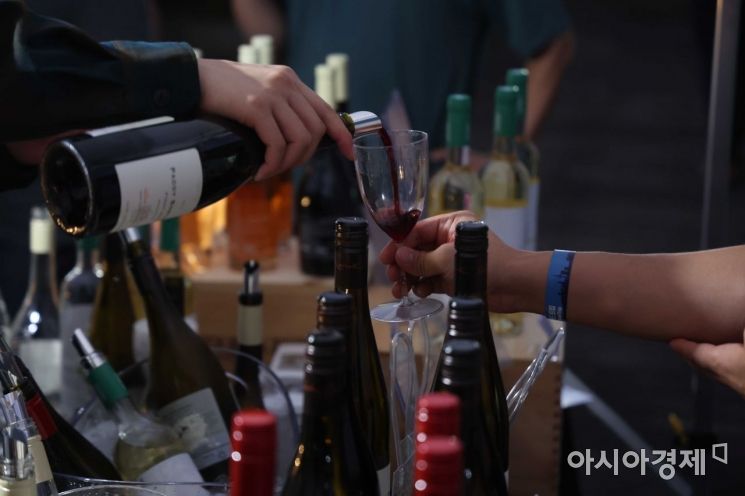 Consumers are enjoying wine at the '2022 Global Wine and Food Trip' hosted by Asia Economy last September. Photo by Moon Honam munonam@
[Asia Economy Reporter Song Seung-yoon] As the importance of ESG (Environmental, Social, and Governance) management rises across the distribution industry, an eco-friendly trend is also sweeping through the wine industry. Efforts to switch wine production methods and packaging to environmentally friendly alternatives are marking a turning point.
According to global market research firm Mintel on the 26th, 22% of the global alcoholic beverage market uses eco-friendly packaging for wine and distilled spirits. While beer has traditionally led the eco-friendly packaging market in the alcoholic beverage sector, recently, eco-friendly packaging is gaining attention across various types of alcohol such as wine, whiskey, and alcoholic RTDs. These packaging materials utilize natural resources like recycled paper, biodegradable packs, and cellulose. Due to the characteristics of wine, packaging materials have hardly changed until now, but recently, with improvements in eco-friendly packaging technology, many cases of application have increased.
As the global trend of ‘value consumption’ reflecting personal beliefs spreads, the use of eco-friendly materials is expected to increase significantly in the future. The prolonged COVID-19 pandemic has also heightened consumer interest and concerns about health, climate change, and environmental issues. In the wine market, discussions on eco-friendly packaging, carbon neutrality, and sustainability have led manufacturers to increasingly incorporate eco-friendly elements into production processes and product packaging. In the UK, a consumer survey showed that about 70% of respondents said the use of eco-friendly packaging positively influenced their purchase intentions.
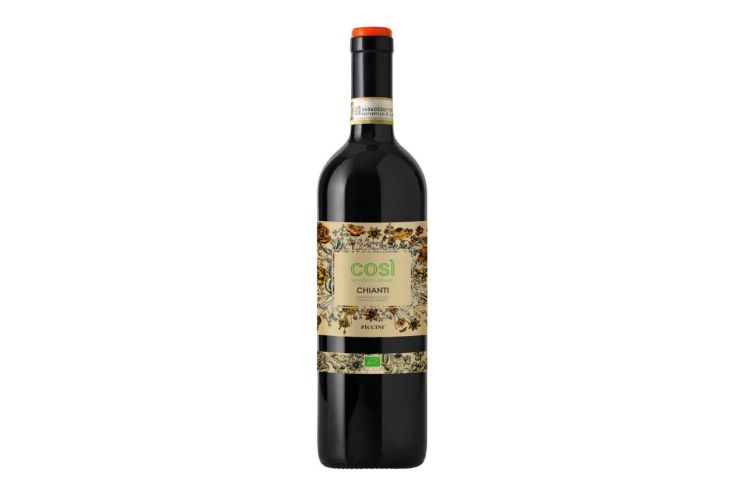
In particular, the shift to eco-friendly cork stoppers in wine is progressing faster. Cork stoppers are made by stripping the bark of cork oak trees, a type of oak, with over 80% of the world’s cork oak trees residing in Portugal and Spain, effectively maintaining a monopoly market. However, economic and environmental issues due to high costs, as well as safety concerns, have always coexisted. After COVID-19, supply also became unstable, prompting more attempts to find new alternatives. While cork stoppers are still mostly used in premium wines, screw caps, plastic, and natural rubber stoppers have recently been appearing one after another. However, screw caps have raised concerns about environmental pollution during manufacturing and low recycling rates, leading to discussions about the need for new alternatives.
The same applies to wine production processes. Organic wines made from grapes grown in organic vineyards and certified under the European Union’s organic certification systems such as ‘Euro-Leaf’ or ‘AB Organic Certification Mark (Agriculture Biologique)’ are expanding their market base. Demand for eco-friendly wines such as ‘vegan wine,’ which is neither refined nor filtered and contains no animal or dairy ingredients, is also steadily increasing.
© The Asia Business Daily(www.asiae.co.kr). All rights reserved.


















