[Seoul District News] Seongbuk-gu Signs MOU with SK Telecom on the 12th to Prevent Solitary Deaths in Socially Isolated Households, Address Care Gaps & Calls Middle-aged Single-person Households and Vulnerable Care Groups to Check Well-being & Shares Monitoring Results with Local Community Welfare Planners & Immediately Alerts Community Centers, 119, 112 upon Abnormalities ... Seodaemun-gu Launches 'Welfare Registered Mail Pilot Project' with Seodaemun Post Office and Post Office Public Foundation Utilizing Postal Workers' Personal Networks
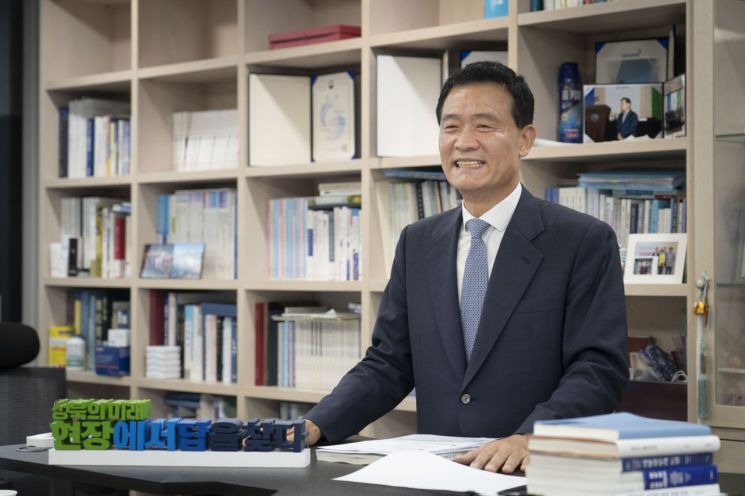
[Asia Economy Reporter Park Jong-il] Seongbuk-gu (Mayor Lee Seung-ro) signed a business agreement with SK Telecom (CEO Yoo Young-sang) to prevent solitary deaths among socially isolated households and to address care gaps, and will operate an AI-based welfare check service starting from the 17th.
The AI welfare check service uses SK Telecom’s ‘NUGU Biz Call.’ It calls middle-aged single-person households and vulnerable care groups at high risk of social isolation to check on their well-being and health status and listen to any inconveniences. The monitoring results are shared with welfare planners at the local community service centers to ensure follow-up actions.
If the call is not answered or if abnormal signs appear in the responses regarding the subject’s living problems during the AI call, the community center staff, 119, and 112 are immediately contacted to secure the subject’s safety.
So far, Seongbuk-gu has been responding to risk situations by detecting changes in illumination, electricity usage, and mobile phone usage of target households using smart plugs and the Seoul Salpimi app to prevent solitary deaths among socially isolated households. Since 2022, 46 members of the Our Neighborhood Care Group have been assigned to each community service center to conduct regular welfare check services.
Seongbuk-gu expects that the AI welfare check service, which calls once a week and converses as if communicating with a person, will greatly help alleviate the isolation and provide emotional stability to the subjects. Along with existing systems, it will enable more thorough welfare checks for households at risk of solitary death.
Mayor Lee Seung-ro of Seongbuk-gu said, “As social problems caused by single-person households and socially isolated households are rapidly increasing, we expect the AI welfare check service to deliver warmth to those who are lonely,” adding, “We will systematically manage and support the welfare and safety of socially isolated households and build a dense welfare safety net through a two-track approach of active discovery and rapid response and support.”
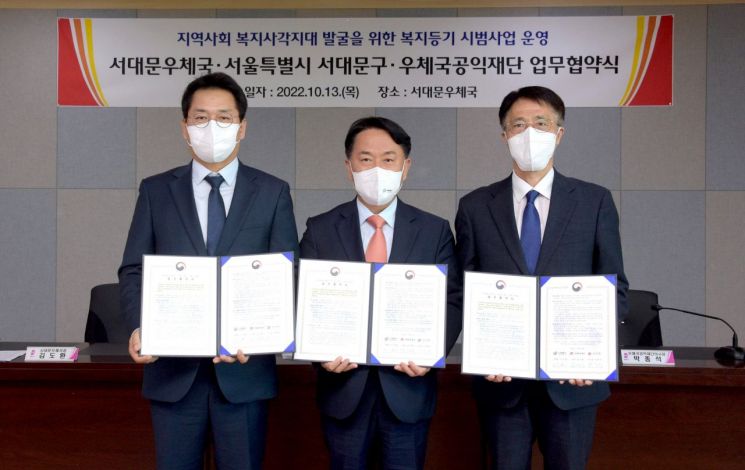 Kim Dohwan, Head of Seodaemun Post Office, Lee Seongheon, Mayor of Seodaemun District, and Park Jongseok, Chairman of the Post Office Public Interest Foundation (from left), signed an agreement for the pilot project of welfare registration to identify welfare blind spots in the local community.
Seodaemun-gu (Mayor Lee Seong-heon) announced on the 17th that it will launch a so-called ‘Welfare Registered Mail Pilot Project’ for about two months from the end of this month until the end of the year by signing a business agreement with Seodaemun Post Office and the Post Office Public Interest Foundation to build a dense welfare safety net.
As part of the ‘Visiting Welfare Service,’ the district will first send a total of 1,000 welfare registered mail items once or twice a month to households showing crisis signs such as ▲households with power or water cutoffs or utility bill arrears ▲households that lost or stopped basic livelihood security benefits ▲households rejected for emergency welfare applications.
The mail contains a ‘Welfare Project Information Notice.’ The postal workers delivering these registered mails will assess the living environment and conditions of the households at risk.
They use a ‘Crisis Investigation Checklist,’ which includes questions such as ▲‘The subject appears to need help’ ▲‘Mail is piled up in front of the house’ ▲‘There is a lot of garbage or alcohol bottles around the house’ ▲‘Flies or other pests are visible around the house, and there is a foul odor.’
After filling out the checklist, the postal worker sends it back in a return envelope to the district, which reviews the contents and promptly supports the at-risk households through the relevant community service centers.
To effectively carry out the project, on the 27th of this month, Seodaemun Post Office will appoint 85 postal workers as ‘Honorary Social Welfare Officers’ and conduct ‘Crisis Household Discovery Training.’
Additionally, the Post Office Public Interest Foundation will fully cover postage costs and support the smooth implementation of the pilot project.
At the agreement ceremony held on the 13th in the large conference room on the 4th floor of Seodaemun Post Office, Kim Do-hwan, head of Seodaemun Post Office, said, “We are pleased to be able to play a role as a social safety net and will do our best to ensure this project is well established.”
Park Jong-seok, director of the Post Office Public Interest Foundation, stated, “We will actively support this as a good precedent for eliminating welfare blind spots through cooperation between the post office and local governments.”
Mayor Lee Seong-heon of Seodaemun-gu said, “The welfare registered mail pilot project will enable faster discovery and support of socially isolated households,” adding, “We look forward to improving residents’ quality of life through collaboration with the post office.”
The continuation of this project will be decided based on the evaluation results of the participating organizations after the pilot period.
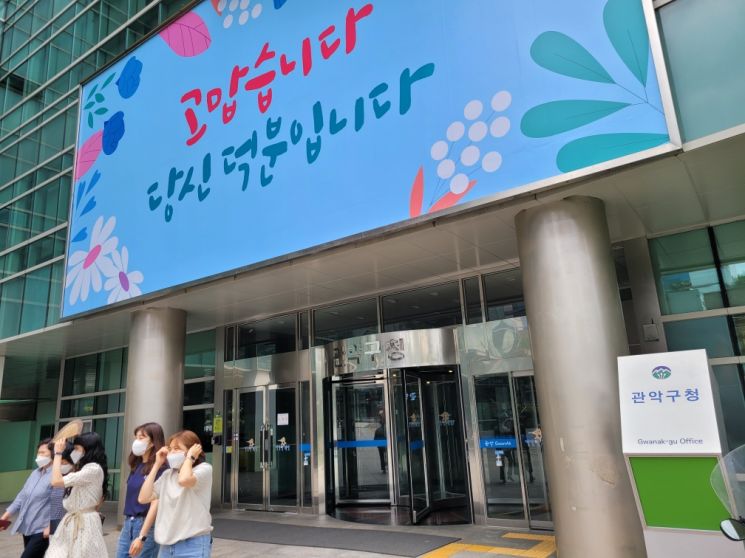
Gwanak-gu (Mayor Park Jun-hee) has reestablished a more thorough ‘Health Care Service’ system to improve medical accessibility for local residents by operating a ‘Health Care Team’ composed of experts in various fields such as doctors, nurses, nutritionists, and social workers.
The ‘Gwanak-gu Visiting Health Care Service’ is a service where a health care team composed of various experts connects health, medical, and welfare resources within the community and provides and manages customized health care services tailored to the characteristics of the subjects every three months.
Started in 2018 as a Seoul city public project, about 200 residents benefited from the care service. However, the project was suspended for about two years and six months after the outbreak of COVID-19 in 2020 and resumed in earnest from October as social distancing measures eased.
Gwanak-gu has many houses located on highlands and narrow alleys, resulting in low public transportation accessibility for medically vulnerable groups such as elderly chronic patients and residents with mobility difficulties, which caused many restrictions in using medical institutions.
Therefore, the ‘Visiting Health Care Service’ is provided to alleviate inconveniences in medical institution use for medically vulnerable groups and to comprehensively and holistically manage health from chronic diseases.
Health care subjects include chronic patients with uncontrolled blood pressure or blood sugar, low-income or elderly living alone who have difficulty managing their health, those discharged after hospitalization but at high risk of readmission, and those with persistent sequelae after COVID-19 infection. Subjects are identified jointly by visiting nurses, municipal hospitals, and the community.
The ‘Health Care Team’ visits the homes of medically vulnerable groups, conducts basic health assessments using various evaluation tools, and establishes customized health management plans tailored to the subjects’ characteristics, including chronic disease management, medication guidance, nutrition counseling, and physical and rehabilitation therapy.
Doctors and nurses conduct basic tests, measure blood pressure and blood sugar, perform HbA1c tests, and provide medication counseling. Nutritionists provide customized nutritional supplements (such as New Care, Moosewell, comprehensive nutritional supplements) through nutrition counseling. Physical therapists provide rehabilitation exercise and physical therapy care services based on health status assessments.
Additionally, social workers identify the social and psychological needs of the subjects and connect necessary health, medical, and welfare resources to support social function recovery.
Furthermore, the district plans to promote diversified subject-centered projects by establishing organic cooperative relationships with the Gwanak-gu Medical Association, municipal hospitals, welfare centers, and others.
Mayor Park Jun-hee said, “In the era of aging, we will strengthen expertise to enable the elderly to spend healthy old age where they have lived and promote a specialized health care system unique to Gwanak-gu,” adding, “We will work harder on health care projects so that the elderly do not spend lonely old age and create a warm Gwanak-gu where people live together.”
For inquiries related to the ‘Health Care Service,’ contact the Gwanak-gu Public Health Center’s Community Health Division for detailed guidance.
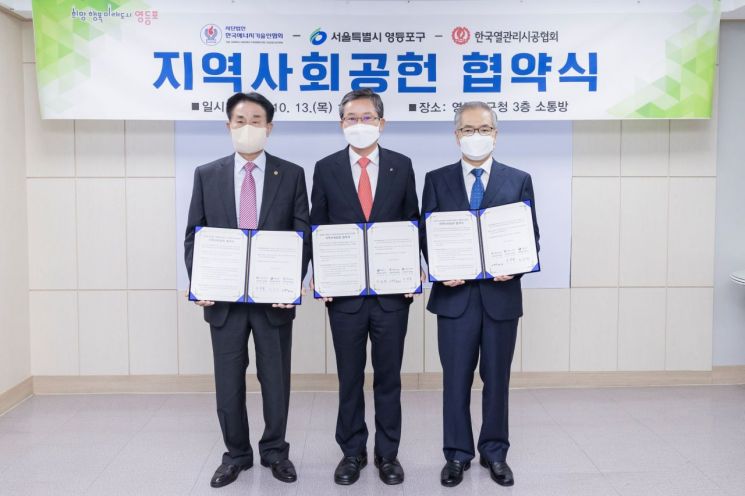
Yeongdeungpo-gu (Mayor Choi Ho-kwon) is collaborating with local companies to promote community welfare development and the spread of a sharing culture.
On the 13th, the district signed a mutual cooperation agreement (MOU) with the Korea Energy Technicians Association and the Korea Thermal Management Construction Association for community contribution through talent donation.
The signing ceremony held in the Yeongdeungpo-gu Office communication room was attended by Mayor Choi Ho-kwon, Baek Du-in, standing advisor of the Korea Energy Technicians Association, Yoo Jeong-beom, president of the Korea Thermal Management Construction Association, and others.
Through this agreement, Yeongdeungpo-gu, the Korea Energy Technicians Association, and the Korea Thermal Management Construction Association will establish mutual exchange and cooperation relationships to realize social value, promising ▲development of joint community contribution programs ▲volunteer activities ▲active participation in social contribution projects for low-income groups.
At the ceremony, Mayor Choi Ho-kwon said, “I thank the Korea Energy Technicians Association and the Korea Thermal Management Construction Association for coming together to realize the values of sharing and welfare,” adding, “I hope this agreement will further spread a sound culture of social contribution among local businesspeople.”
As part of the community contribution activities under the agreement, on the 18th, Yeongdeungpo-gu and the two organizations will conduct talent donation volunteer work to inspect and repair heating boilers so that vulnerable residents in small rooms can have a safe and warm winter.
About 20 technicians from the two associations will focus on checking the condition of 85 briquette and oil boilers in the small room areas, including pipe corrosion, fuel leakage, exhaust gas status, and insulation condition.
They will immediately repair any safety hazards on-site and replace consumables free of charge if necessary. They will also provide safety education on proper boiler use and accident prevention.
Additionally, the Human Resources Development Service of Korea will prepare winter supplies such as 400 pairs of sleeping socks to be distributed to residents in the small room areas.
Mayor Choi Ho-kwon said, “Thanks to the boiler inspection and winter supplies support, residents in small rooms will be able to spend a warm and secure winter,” adding, “We will continue to strengthen the community welfare network to create a Yeongdeungpo where no neighbors are left behind and everyone lives well together.”
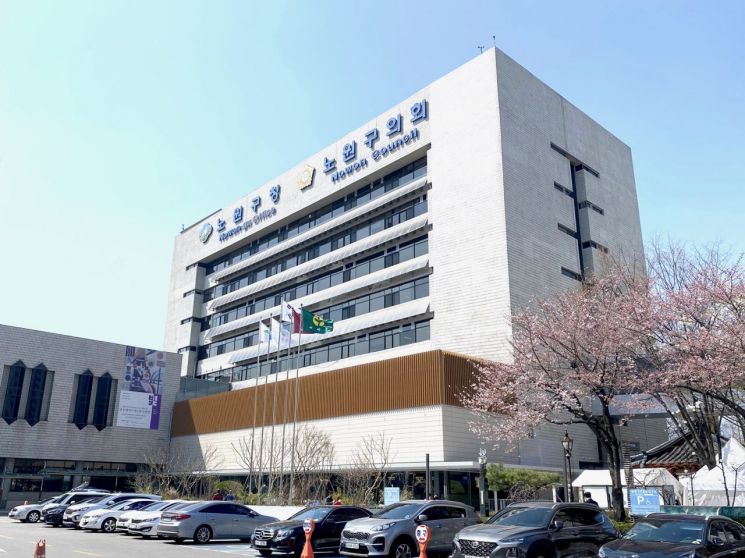
Nowon-gu (Mayor Oh Seung-rok) announced that the ‘Bokji Deo Chaeum’ (Welfare Plus Filling) system, first implemented nationwide, was selected as the best case of Seoul City’s proactive administration.
This system aims to prevent unfortunate incidents by re-examining those who were rejected from basic livelihood security benefits, identifying those who do not meet legal criteria but are in immediate financial difficulty, and has been highly evaluated for efforts to eliminate welfare blind spots.
Especially last year, with the abolition of the livelihood benefit support obligation system, the number of basic livelihood security applicants more than doubled, and the rejection rate also increased significantly to 46% compared to 36.9% in 2020.
Currently, the application and processing procedures for basic livelihood security are conducted only through quantitative evaluation: ‘initial consultation and application reception at the community service center → income and property investigation by the relevant district office department → notification of results to the applicant.’
The district supplemented this by adding qualitative evaluation of the applicant’s situation. First, for those deemed ineligible, it checks for errors in guidelines or special case applications.
Next, through intensive counseling and home visits, it connects customized social welfare services such as emergency welfare support, neighbor help, Care SOS, and cancer patient medical expense support, so that even if they do not enter the legal system, they can receive practical care.
Furthermore, for those with complex needs who find it difficult to solve problems on their own, integrated case management was established to build a public-private cooperation system covering welfare, health, employment, housing, and education.
For example, a single-parent household A (58 years old) suffering from depression was deemed ineligible for livelihood benefits, but through in-depth counseling and home visits, it was confirmed that the income recorded in the system differed from actual income. Immediate assistance was provided to prepare supporting documents to restore the right to basic livelihood security livelihood benefits, and linkage with the Nowon-gu Mental Health Promotion Center was made to continue psychological counseling and treatment services.
Another case, B (73 years old), was excluded from beneficiary selection due to the property of the support obligor. A home visit revealed that medical expenses were a heavy burden due to diabetes suffered for 40 years, and since medical support from estranged children was unavailable, support was linked to the next-lower-income self-pay reduction service, which reduces medical expenses regardless of the support obligor’s property.
Since the implementation of the Welfare Plus Filling system in January this year, 750 people have been investigated over eight months, with 24 receiving welfare rights restoration and 37 linked to other welfare services, and continuous monitoring is ongoing.
The district plans to expand the re-examination scope to applicants for basic livelihood security medical and housing benefits to more thoroughly check welfare blind spots.
Mayor Oh Seung-rok said, “In addition to Welfare Plus Filling, we are making various attempts to build a dense net care system,” adding, “We will continue to lead efforts to help those in difficulty and minimize welfare blind spots through proactive administration.”
Person B with an intellectual disability was unintentionally involved in a criminal case and underwent police investigation. People with intellectual disabilities often lack the capacity to express their intentions and may give disadvantageous statements alone during investigations. Now, they were able to learn about and receive help through the ‘Trusted Person System’ that assists in testimony.
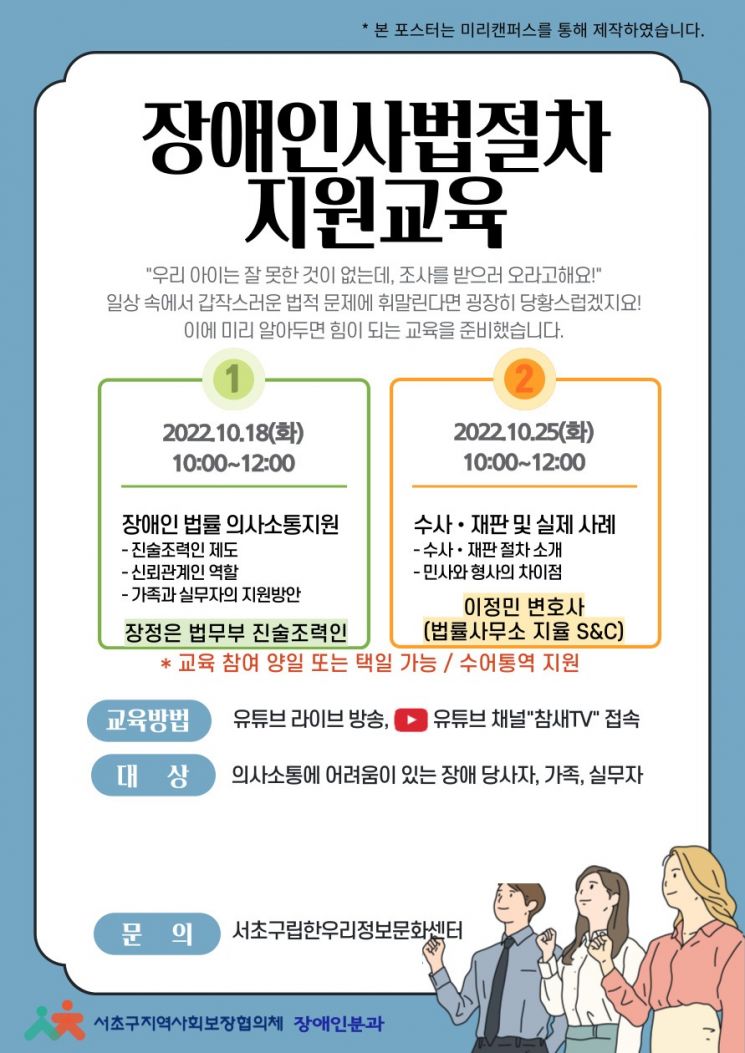
Seocho-gu (Mayor Jeon Seong-su) is providing information to protect the rights of people with disabilities when sudden legal issues arise through an online ‘Judicial Procedure Support Education for People with Disabilities.’
The ‘Judicial Procedure Support Education for People with Disabilities’ started in 2018 and is now in its fifth year. It will hold two lectures on the 18th and 25th focusing on the Trusted Person and Testimony Assistant systems and actual cases occurring during investigation and trial processes. On the 18th, Jang Jeong-eun from the Ministry of Justice will be the lecturer for the Testimony Assistant system, and on the 25th, lawyer Lee Jeong-min from the law firm Jiyul S&C will attend as the lecturer.
A district official said, “People with developmental disabilities often have great difficulty communicating during the explanation of incidents. Therefore, from the early stages of investigation, they need the help of a trusted person or testimony assistant to adequately defend their position. However, there are cases where they suffer unfairness due to lack of knowledge about related systems or procedures,” emphasizing the necessity of this education.
The education will be conducted as a non-face-to-face live broadcast via the YouTube channel ‘Chamsae TV,’ and questions can be submitted in advance until the 16th. Anyone interested, including people with disabilities, guardians, and workers at disability welfare facilities, can attend free of charge. For more details, contact the Seocho-gu Hanuri Information and Culture Center.
Mayor Jeon Seong-su of Seocho-gu said, “This was prepared to support people with disabilities, who are socially vulnerable, to ensure their legitimate rights in judicial procedures,” adding, “We will continue to carefully observe the difficulties faced by people with disabilities and provide ongoing support.”
© The Asia Business Daily(www.asiae.co.kr). All rights reserved.
![Clutching a Stolen Dior Bag, Saying "I Hate Being Poor but Real"... The Grotesque Con of a "Human Knockoff" [Slate]](https://cwcontent.asiae.co.kr/asiaresize/183/2026021902243444107_1771435474.jpg)


















