Our Country's Pride, Makgeolli! It Came from the USA.
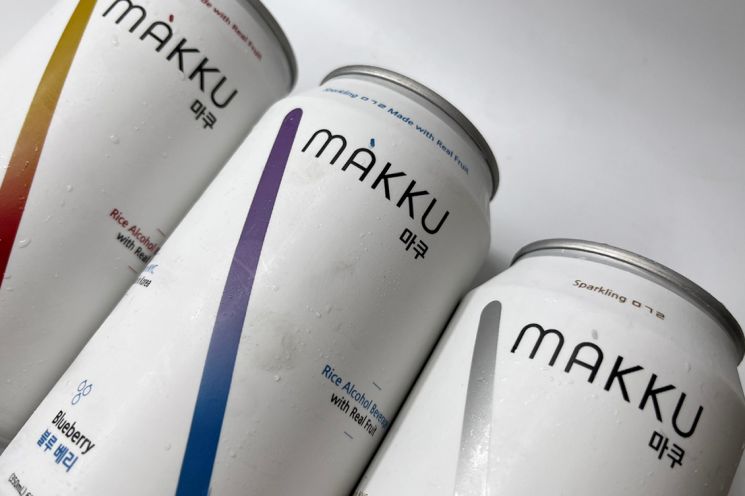
Makgeolli is one of Korea's representative traditional liquors. However, there is a makgeolli that cannot be consumed in Korea but is only available in the United States. Its name is Maku(MAKKU). Although it is manufactured in South Korea, Maku was previously only exported to the U.S., but now it can be enjoyed domestically as well. Since last September, it has been launched in Korea and is easily available at the five major convenience store chains and large supermarkets. The production is handled by Woorisul, famous for its tangy Chestnut Dongdong and Gapyeong Pine Nut Raw Makgeolli.
Maku was created by a Korean-American woman working in the U.S. liquor industry who wanted to promote makgeolli globally. While the MZ generation in Korea is increasingly enjoying wine and whiskey, makgeolli is becoming a cultural trend among the MZ generation abroad. The star of today’s story, which comes in cans rather than PET bottles, raises the question: how does it taste?
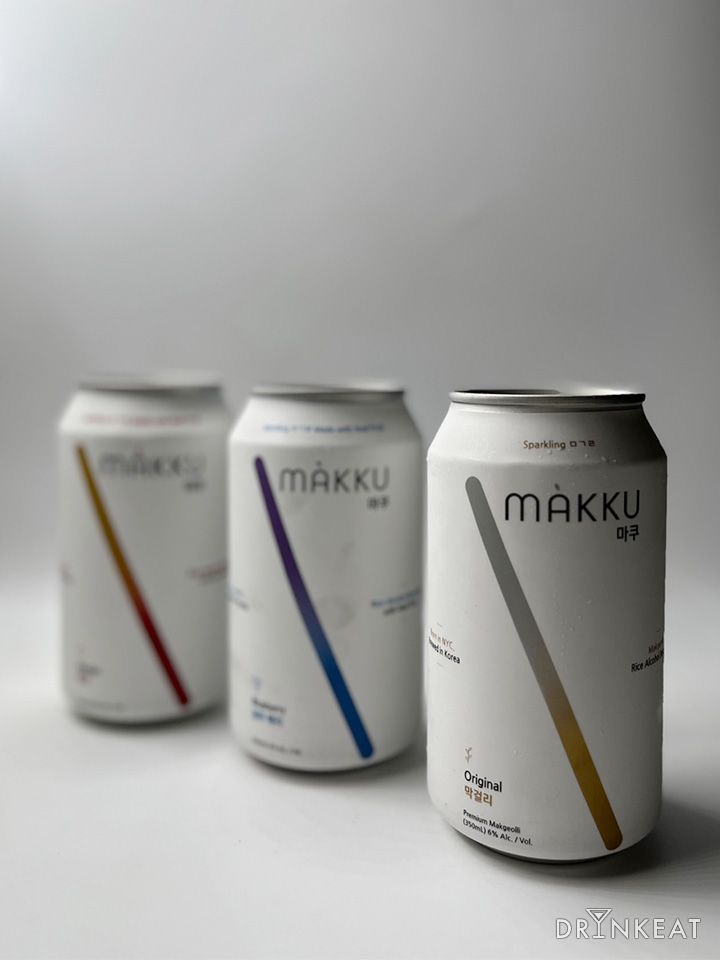
Maku Makgeolli, named to be easy for Americans to pronounce and similar to makgeolli, is available in original flavor as well as blueberry and mango flavors. All three varieties come in 350ml cans with an alcohol content of 6%.
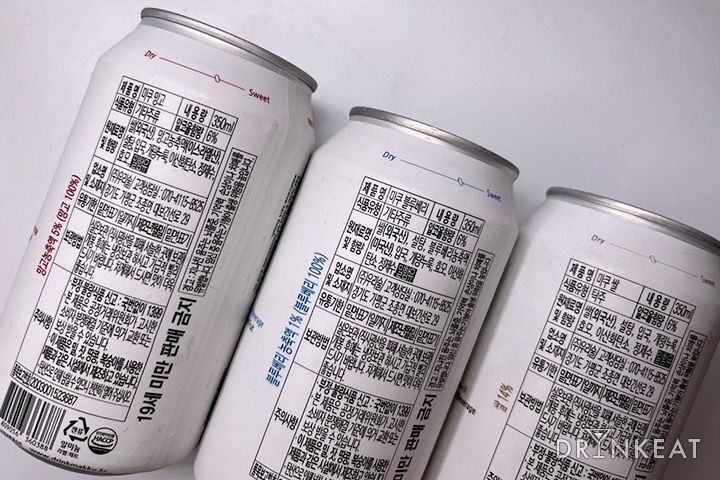
Maku Makgeolli is gluten-free and aims to be 100% vegan. Especially, the blueberry and mango flavors are made with 100% real fruit to appeal more familiarly to Americans. For this reason, it is classified as other alcoholic beverages rather than traditional takju. I tried shaking it lightly to see if the makgeolli would convey the tradition and spirit of Korea, and here is my honest review.
Original Flavor
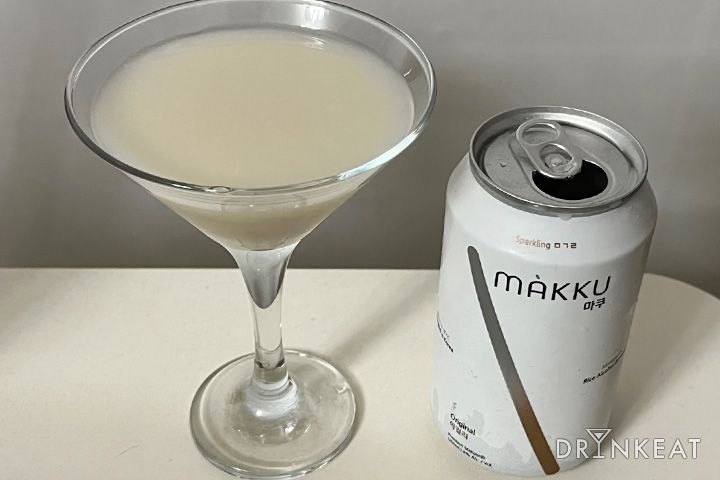
Pouring it into a cup, the elegant and refined color reveals the presence of makgeolli, contrasting with the casual can design. Considering it was launched in the U.S., it expresses Korean makgeolli quite well. The taste and aroma were similar. It has a light feel rather than a heavy one. Therefore, compared to the common PET bottles we are used to, the canned design feels more familiar, much like canned beer. It does not have a strong sourness or heaviness; instead, the clean and slightly sparkling carbonation blends harmoniously. It naturally brings to mind mild and light dishes rather than spicy foods. On a day when you crave makgeolli, it’s perfect to enjoy a can alone at home. Not recommended for those who want a heavy taste!
Blueberry Flavor
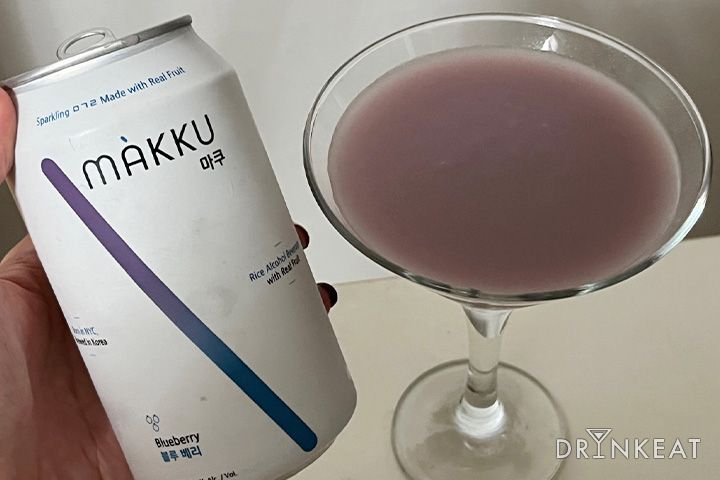
The blueberry flavor of Maku Makgeolli had the strongest carbonation. Thanks to the real blueberry puree mixed in, the taste is more sweet and tangy rather than sour. Since it is classified as other alcoholic beverages rather than takju, the alcohol sensation is noticeably mild. This flavor is great for introducing makgeolli to foreigners who are trying it for the first time. While various flavored makgeollis like Chestnut Dongdong or Melon Makgeolli are available in the liquor market, this product was created for foreigners by harmonizing traditional makgeolli flavor with blueberry.
Mango Flavor
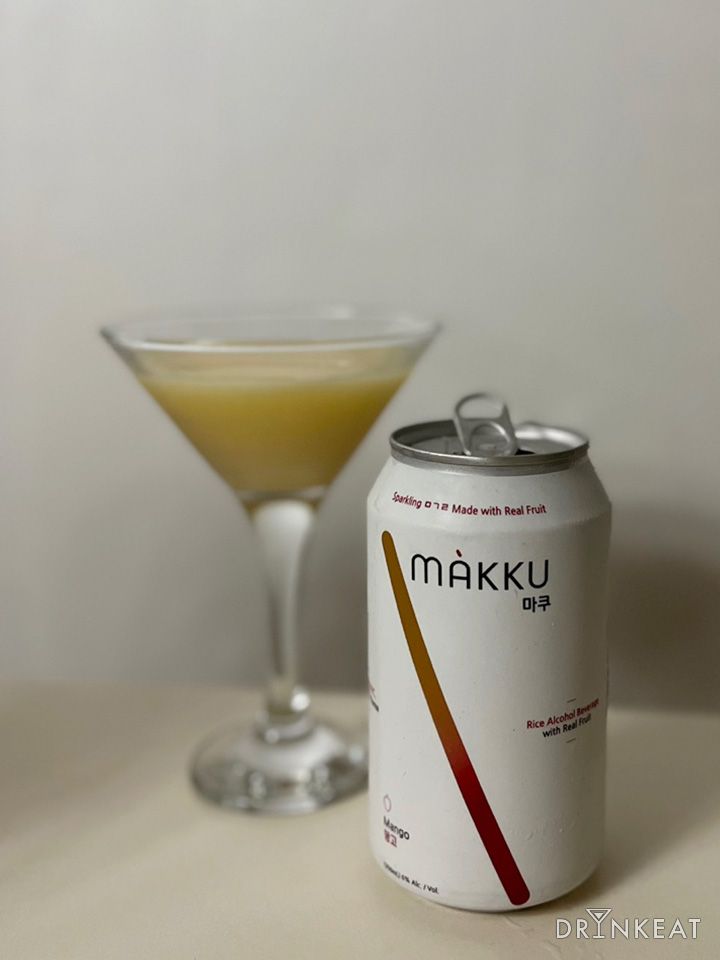
My personal opinion after tasting both at the same time is that blueberry wins! Compared to the blueberry flavor, the mango flavor has weaker carbonation but a thicker texture. Made with 100% mango puree, it offers a creamy mouthfeel. However, the natural mango taste is not as strong as expected, which might be a bit disappointing. Both blueberry and mango flavors are good to enjoy as a single can with a meal. Especially, they seem to pair very well with spicy dishes like tteokbokki or, since they come from the U.S., with pizza loaded with hot sauce.
Since sediment settles quickly, prepare a large glass to shake and drink leisurely!
Photo by Yoon Eun-ae
© The Asia Business Daily(www.asiae.co.kr). All rights reserved.
![Clutching a Stolen Dior Bag, Saying "I Hate Being Poor but Real"... The Grotesque Con of a "Human Knockoff" [Slate]](https://cwcontent.asiae.co.kr/asiaresize/183/2026021902243444107_1771435474.jpg)


















