Germany Pursues Independent Path with '200 Billion Euro Energy Package'
Diverging Opinions Emerge on Gas Price Cap Implementation
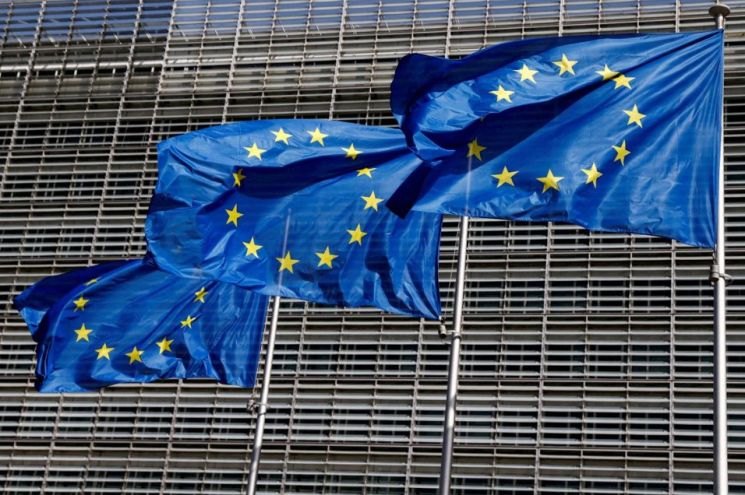
[Asia Economy Reporter Yujin Cho] The European Union (EU) is once again pushing to introduce a price cap on Russian gas in response to Russia's use of energy as a weapon. This aims to reduce the funding for Russia's war in Ukraine and lower soaring electricity bills ahead of the winter season, when energy demand is high. Although the gas price cap has been discussed before, disagreements among member states have previously prevented its implementation, leading to expectations of difficulties in reaching a consensus.
According to major foreign media on the 3rd (local time), EU leaders are expected to include in the draft joint statement for the EU summit on the 7th a call for the European Commission to pursue measures to lower gas prices through a price cap. Similar to the earlier oil price cap, the gas price cap intends to set a ceiling on Russian gas prices to reduce the flow of funds to Russia and lower electricity costs that have surged due to the energy crisis.
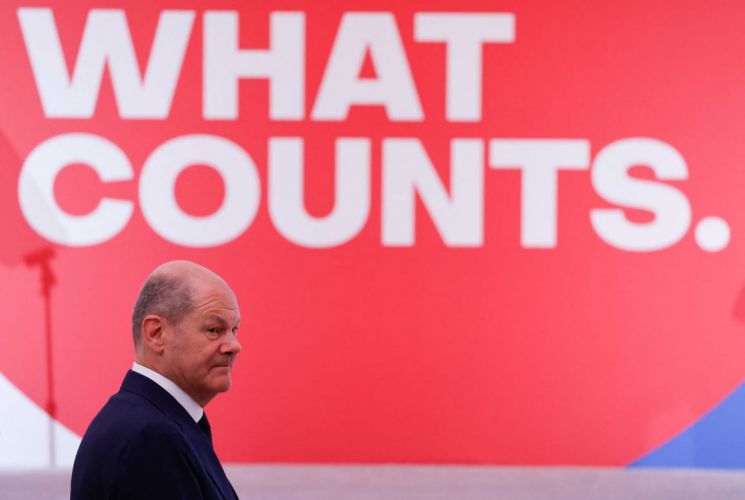 German Chancellor Olaf Scholz expressed opposition to the introduction of a gas price cap earlier this month. (Photo by AFP)
The EU has discussed the introduction of a gas price cap multiple times before but failed to reach an agreement due to conflicting interests among member states. Especially with winter approaching, when energy demand is high, countries have repeatedly expressed divergent views and adopted a self-centered stance.
Among the 27 EU member states, 15 countries are urging the introduction of a gas price cap to overcome the crisis, but countries with the highest energy demand, including Germany, Austria, the Netherlands, Hungary, and Denmark, oppose it.
German Chancellor Olaf Scholz clearly expressed opposition to the gas price cap earlier this month.
Germany announced on the 29th of last month that it would support household and corporate energy costs by creating a fund worth 200 billion euros, amid concerns that inflation could worsen as consumer price inflation hit a record high of 10% last month and electricity prices surged tenfold.
This measure was taken out of concern that Germany, the largest gas consumer, might struggle to secure the necessary gas from the global market this winter. However, other EU countries that find such large-scale financial support difficult have raised concerns about fair competition.
In response to Germany's price stabilization measures, Eurozone finance ministers indirectly criticized Germany's unilateral action in a statement on the same day, saying, "Future support measures between countries must be well coordinated."
Excluding Germany, France and Italy have each raised funds of 67 billion euros and 68 billion euros respectively to support energy costs, but these amounts are less than half of Germany's fund.
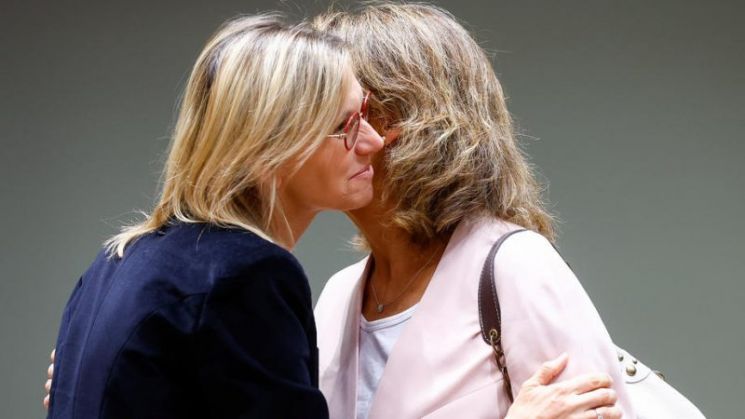
EU Commission President Ursula von der Leyen also warned member states against unilateral actions, stating, "Without a common EU solution, we could face serious risks."
The EU holds the position that the flow of Russian revenues from Putin's brutal war in Ukraine must be cut off.
The European Commission also believes that implementing a gas price cap without accompanying measures could lead to increased demand rather than solving supply shortages.
Instead, the Commission proposed introducing a price cap specifically on Russian gas as an alternative, but this also failed to secure agreement.
In this context, if the draft joint statement for the upcoming summit includes the gas price cap issue, it could be interpreted that some compromise has been reached among member states.
This reflects the recognition that a joint EU-level response is necessary not only because energy prices have surged due to the suspension of Russian gas supplies but also to curb soaring inflation. However, the final version could still change depending on the outcome of the meeting on the 7th.
At this summit, EU leaders are also expected to request the Commission to negotiate with alternative gas-exporting countries to replace Russia and to lower supply prices, in addition to the gas price cap.
Meanwhile, the UK energy regulator has warned that the UK economy could face significant threats due to the gas shortage this winter. The European Centre for Medium-Range Weather Forecasts (ECMWF) has forecasted a harsh cold wave influenced by La Ni?a, warning that the cold and dry weather in November and December could increase heating costs and worsen the cost-of-living crisis.
© The Asia Business Daily(www.asiae.co.kr). All rights reserved.