[Asia Economy Sejong=Reporter Son Seon-hee] As concerns over the financial crisis of social insurance systems such as public pensions and health insurance continue to grow, academic opinions have been raised that the timing of reforms should be expedited since delays will lead to greater increases in insurance premiums and tax burdens on future generations. In particular, it has been pointed out that the financial crisis is more severe in occupational pensions like the Government Employees Pension than in the National Pension, and that countermeasures need to be prepared.
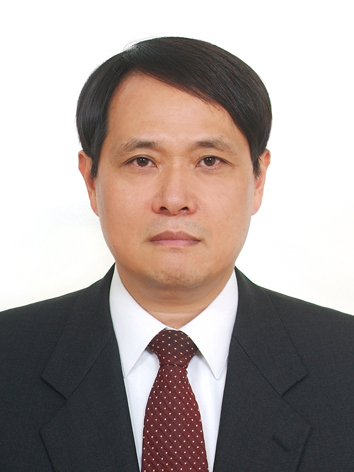
Jeon Young-jun, President of the Korean Association of Public Finance (Professor at Hanyang University), stated at the '2022 Korean Association of Public Finance Policy Forum' held on the afternoon of the 29th at the Bankers Hall in Jung-gu, Seoul, under the theme of 'Fiscal Structure Reform Tasks of the New Government,' that "To secure funding for public pension and health insurance benefit expenditures, which are directly affected by population aging, an increase in social insurance premiums and tax burdens on the youth and future generations is inevitable," adding, "The pension finance crisis is more severe in occupational pensions such as the Government Employees Pension than in the National Pension, so countermeasures need to be prepared." He emphasized, "The later the reform timing is delayed, the greater the adjustment needed for fiscal stabilization, so early reform is necessary."
President Jeon said, "South Korea has the fastest population aging rate in the world, and by the latter half of the 21st century, it is expected to have the highest old-age dependency ratio globally," forecasting, "To secure funding for public pension and health insurance benefit expenditures directly affected by population aging, an increase in social insurance premiums and tax burdens on the youth and future generations is inevitable."
He estimated that if the National Pension's financial operation method is on a pay-as-you-go basis, the later the adjustment timing, the more sharply insurance premium increases will rise. If adjusted in 2030, the premium increase would reach about 38.7%. Even if adjusted this year, an increase of about 17% would be necessary.
Health insurance premium benefit expenditures have also doubled over the past decade. The health insurance premium rate increased from 5.8% in 2012 to 6.07% in 2015, 6.12% in 2017, and 6.86% in 2021. It is expected to reach 7.09% next year and 8% by 2026.
President Jeon said, "The rapid increase in health insurance benefit expenditures is due to several factors including population aging, income growth, and strengthening of health insurance coverage," adding, "Even if the current system is maintained, health insurance expenditures will increase rapidly due to aging."
He then proposed, "To ensure the sustainability of health insurance and improve the system's rationality, reform of the health insurance benefit system is necessary," suggesting, "By increasing the health insurance coverage rate for treatment of severe diseases and lowering the benefit rate for mild diseases, the increase in health insurance benefit expenditures should be suppressed as much as possible."
© The Asia Business Daily(www.asiae.co.kr). All rights reserved.
![User Who Sold Erroneously Deposited Bitcoins to Repay Debt and Fund Entertainment... What Did the Supreme Court Decide in 2021? [Legal Issue Check]](https://cwcontent.asiae.co.kr/asiaresize/183/2026020910431234020_1770601391.png)















