‘Yeongwol Changjeolsa’·‘Yeongdong Secheonjae’·‘Pohang Sangdalam’ etc.
‘Gimje Naea’·‘Gyeongju Yeombulsaji East and West Three-story Stone Pagodas’ also
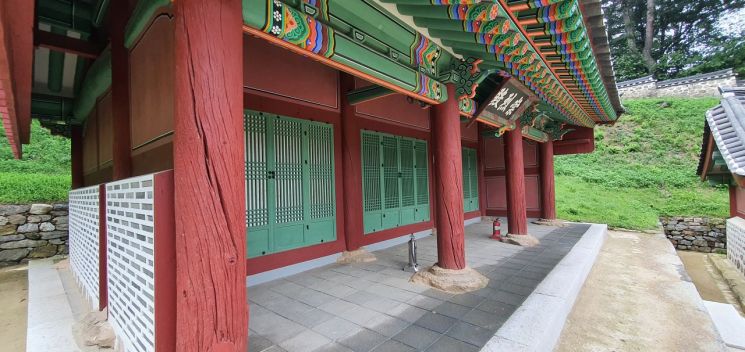
During the Joseon Dynasty, with the introduction of Neo-Confucianism, multiple samyo (shrines) and jaesil (ancestral halls) were established. Samyo are buildings where ancestral tablets or portraits of ancestors and sages are enshrined and rituals are performed, while jaesil are houses where participants of the rituals stayed and prepared food. Although the primary purpose was ancestral rites honoring forebears and sages, they also served as educational spaces for descendants. Most were built by powerful yangban families with strong bases in rural communities. They elevated the family’s status and solidified their political foundation in the region.
Eight representative samyo and jaesil are managed as treasures. The Cultural Heritage Administration announced on the 29th that since last year, it has surveyed over 250 samyo and jaesil, evaluated their designation value, and pre-announced eight sites as treasures. These include ‘Namhansanseong Sungnyeoljeon,’ ‘Yeongwol Changjeolsa,’ ‘Yeongdong Secheonjae,’ ‘Goheung Yeosansongssi Ssangchung Jeongryeogak,’ ‘Gangjin Haenam Yuns씨 Chuwondang,’ ‘Gangjin Haenam Yuns씨 Yeongmodang,’ ‘Jeonju Jogyeongmyo Jeongmyo,’ and ‘Pohang Sangdalam.’
Namhansanseong Sungnyeoljeon is a samyo where King Injo stayed during the Byeongjahoran and performed rites to King Onjo of Baekje. It was relocated to its current location during King Jeongjo’s reign and given the name ‘Sungnyeoljeon.’ It is rare among existing Joseon Dynasty founder shrines for preserving the original structure of the building. Rituals continue to be held there, giving it high historical and cultural value.
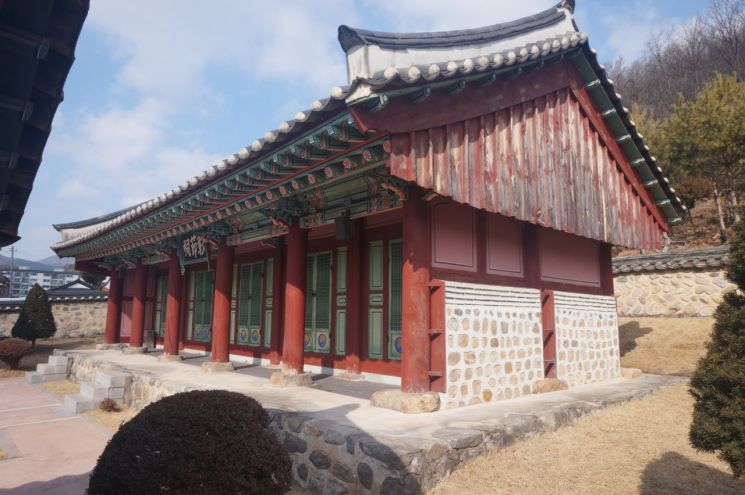
Yeongwol Changjeolsa is a shrine built to honor the six martyred ministers (Sayuksin) and ten loyal subjects (Sipchungshin) who were executed by King Sejo. Compared to other shrines, it is larger and includes a study space where Confucian scholars gathered, similar to a seowon (Confucian academy). It was established based on historical facts related to King Danjong, and its architectural features from the 18th century, such as the use of ikgong brackets, have been recognized for their historical and academic value.
Yeongdong Secheonjae is a jaesil built in 1691 by Park Sepil of the Hwanggan branch of the Chungju Park clan. It enshrines three generations: his father Park Jichan and his son Park Suso. It was also used as an educational space where independence activist Seong Hasik served as an instructor and the first vice president Lee Si-young held lectures on national affairs.
Goheung Yeosansongssi Ssangchung Jeongryeogak is a building constructed to honor Song Daerip and Song Sim, who made military achievements and died in loyalty during the Imjin War and the Byeongjahoran. It is rare among jeongryeo (memorial) architecture for its elaborate multi-bracket (dapo) style eaves. The use of stone pillars and jangchoseok (stone foundation blocks) adds dignity and decorative quality.
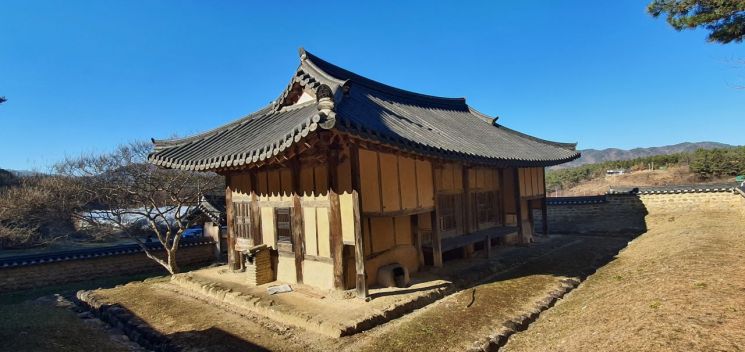
Gangjin Haenam Yuns씨 Chuwondang is a jaesil enshrining Yun Sabo and his son Yun Gyeong, while Gangjin Haenam Yuns씨 Yeongmodang houses the spirit tablets of Yun Gwangjeon and the brothers Yun Danbong and Danhak. Jeonju Jogyeongmyo Jeongmyo is a shrine enshrining the founder of the Jeonju Yi clan, Yi Han, and his wife’s spirit tablets. Pohang Sangdalam is a reconstructed jaesil built to pray for the repose of Son So, a Joseon Dynasty scholar-official.
Meanwhile, the Cultural Heritage Administration also pre-announced the designation of the ‘Gyeongju Yeombulsaji East and West Three-story Stone Pagodas,’ built in the early 8th century, and the ‘Gimje Naea,’ built in 1749, as treasures. Naea was a residence where local government officials’ families lived. Along with the dongheon (local government office), it is evaluated as a space that allows insight into the daily life of local officials at the time.
© The Asia Business Daily(www.asiae.co.kr). All rights reserved.



















