Struggling Self-Employed Amid High Inflation
'Shrinkflation' Phenomenon: Same Price but Reduced Quantity
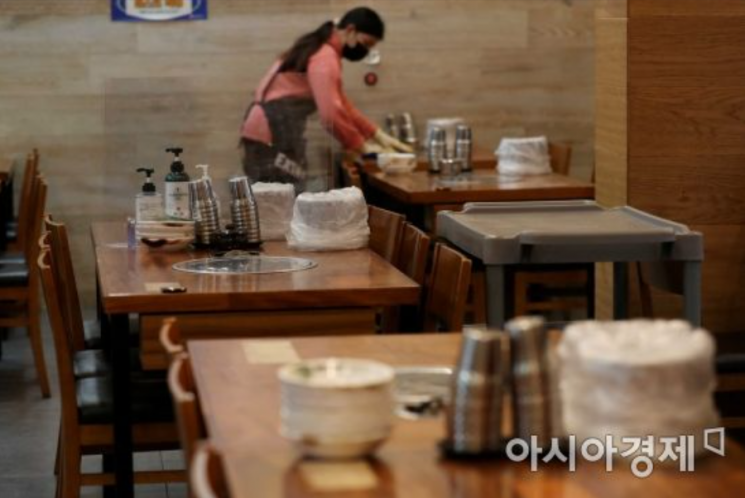
[Asia Economy Reporter Heo Midam] Recently, due to severe weather conditions such as heatwaves, heavy rain, and typhoons, agricultural product prices have surged sharply, deepening the worries of self-employed business owners. To cope with soaring prices, they are reducing the variety of side dishes or eliminating refill services. Although these were unavoidable choices to maintain profits amid difficult business conditions, some consumers have expressed dissatisfaction.
According to the Korea Agro-Fisheries & Food Trade Corporation (aT) Agricultural Product Distribution Information (KAMIS) on the 22nd, the wholesale price of cabbage (8kg) was 8,938 won as of the previous day, rising about 74% compared to 5,305 won a year ago. The wholesale price of napa cabbage (10kg) also surged to 37,940 won, a staggering 154% increase from 14,900 won during the same period last year. Additionally, wholesale prices of radish (158%) and green bell peppers (26%) also rose significantly compared to a year ago.
As prices rise, the concerns of self-employed business owners continue. One owner of a braised pork ribs restaurant shared on the self-employed community 'Apeunikka Sajangida' ("Because it hurts, I'm the boss") that "I am experiencing high inflation like never before while running my business. Prices of vegetables and industrial products keep rising without brakes," and added, "I don't really know why I am running this business these days."
Another self-employed person said, "Which do you think is a better choice: raising menu prices or removing one side dish?" and added, "I think raising prices might be better, but a friend said that if prices go up these days, customers might stop coming, so I'm worried."
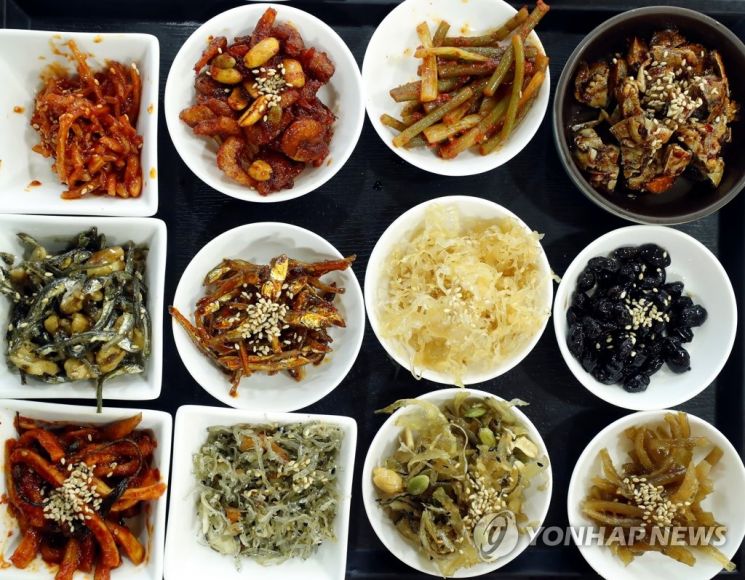
As ingredient prices rise, more restaurants are either not providing certain side dishes at all or substituting them with cheaper ingredients. Especially as prices soar, some restaurants have stopped offering free refills of side dishes that were typically provided at no cost or have started charging extra for them.
This can be seen as part of the 'shrinkflation' phenomenon. Shrinkflation is a compound word of 'shrink' and 'inflation,' referring to the practice of keeping prices the same while reducing the size or quantity of products or substituting them with cheaper items.
The reason self-employed business owners adopt this strategy is that consumers generally react more sensitively to price changes than to changes in food quantity. Ultimately, since prices are not directly increased, there is less likelihood of consumer backlash, and it also achieves an indirect price increase effect, making shrinkflation a preferred strategy.
However, from the consumer's perspective, paying the same price for less food leads to dissatisfaction. Kim Eunsik (26), an office worker living alone in Seodaemun-gu, Seoul, said, "When I visited my regular Korean restaurant a few days ago, the side dishes like radish kimchi that were usually provided as standard were not served. Also, when I ordered the beef brisket soybean paste stew, there was very little solid content, which was disappointing," adding, "I understand that self-employed business owners are struggling due to rising prices, but as a customer, it is indeed disappointing."
Meanwhile, the government expects the consumer price inflation rate to peak in October and then decline. On the 15th, Deputy Prime Minister and Minister of Economy and Finance Choo Kyung-ho said at the National Assembly Planning and Finance Committee plenary session regarding inflation forecasts, "Although the exchange rate has risen rapidly, I cautiously expect that consumer prices will peak around October at the latest, and thereafter, there will be a gradual stabilization trend, even if slight."
© The Asia Business Daily(www.asiae.co.kr). All rights reserved.


















