Cultural Heritage Administration Announces Designation of 'Jirisan Ssanggyesa Temple and Bulil Waterfall Area' as Scenic Site
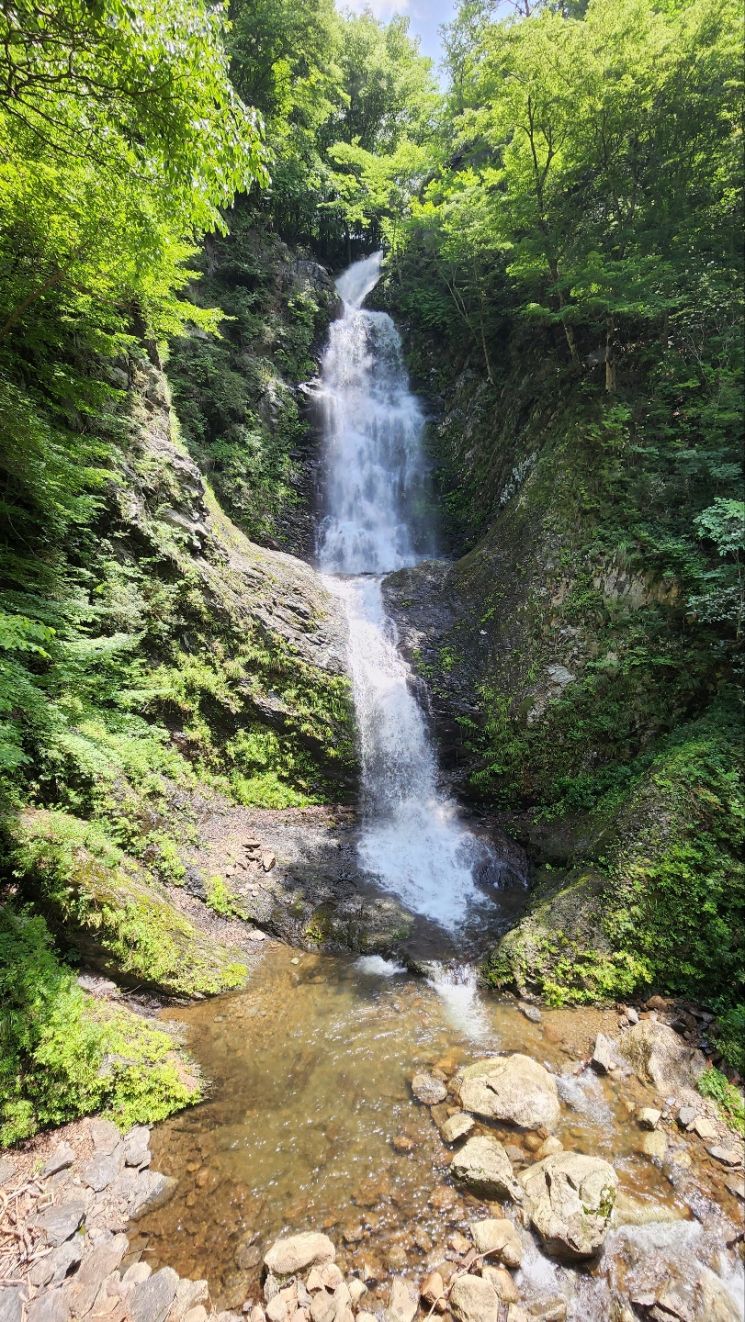
Jirisan Ssanggyesa Temple and Buril Waterfall, renowned for their stunning natural scenery and historical and humanities value, will be designated as scenic sites. On the 14th, the Cultural Heritage Administration announced the preliminary designation of the 'Jirisan Ssanggyesa Temple and Buril Waterfall area' in Hadong-gun, Gyeongnam Province, as a nationally designated cultural heritage scenic site. Opinions from various sectors will be collected for a month, and the final decision will be made after review by the Cultural Heritage Committee.
These are representative attractions of Jirisan Mountain. Literary figures and artists (munin mokgak, people engaged in poetry and calligraphy) praised the beautiful scenery, attracting many visitors who left poems, travelogues, and other writings. In particular, Buril Waterfall presents a grand yet elegant landscape. It is 60 meters high, and the large variations in water flow, the roaring sound of the water, and the surrounding bizarre rock formations blend exquisitely. A legend tells that a dragon living in the pool below the waterfall ascended to heaven, creating Cheonghak Peak and Baekhak Peak, with water flowing between them to form the waterfall.
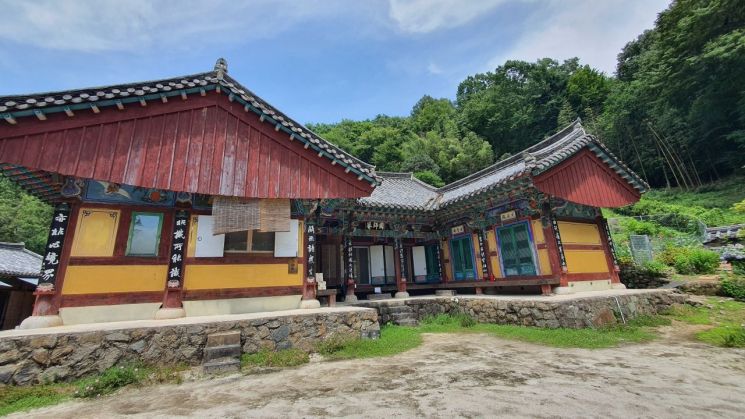
The name Buril is related to Bojo Guksa Jinul (1158?1210), a monk of the Goryeo Dynasty. King Heejong, the 21st king of Goryeo, bestowed the posthumous title 'Bulil Bojo (Buddha Sun Universal Illumination)' on Jinul, and the place where Jinul practiced asceticism was named after this title. Ssanggyesa Temple, the cradle of Buril thought, is believed to have been built during the Unified Silla period. Originally founded as 'Okcheonsa' in the 23rd year of King Seongdeok of Silla (724), its name was changed during King Jeonggang's reign. It was destroyed during the Japanese invasions of Korea but was rebuilt by Monk Byeokam in 1632.
Choe Chiwon, a great scholar of late Silla, described the Ssanggyesa temple complex (garam, a Buddhist temple) as a 'paradise inside a bottle (horibyeong sogui byeolchunji)'. He likened the expanded layout from the Iljumun gate at the temple entrance to the Daeungjeon Hall enshrining Shakyamuni Buddha to the shape of a bottle. During the Goryeo Dynasty, Lee In-ro introduced this place as an ideal land imbued with Choe Chiwon's Taoist thoughts in his book 'Pahanjip'.
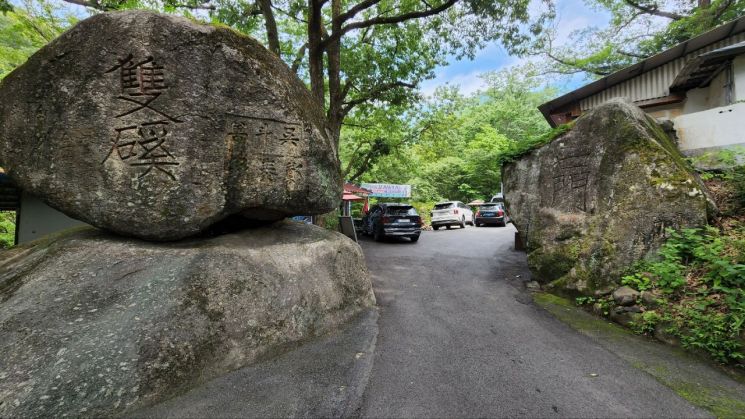
The Cultural Heritage Administration evaluated that the Ssanggyesa Temple and Buril Waterfall area holds great value not only for its scenery but also for its historical and academic significance. The Ssanggyesa area contains more than twenty cultural assets, including the national treasure 'Jingamseonsa Stele' and the treasure 'Hadong Ssanggyesa Daeungjeon Hall'. The Jirisan forest leading to Buril Waterfall preserves the old paths once traveled by monks, Buril Hermitage where Jinul stayed, and the Wanpokdae rock inscriptions believed to have been written by Choe Chiwon.
© The Asia Business Daily(www.asiae.co.kr). All rights reserved.
![Clutching a Stolen Dior Bag, Saying "I Hate Being Poor but Real"... The Grotesque Con of a "Human Knockoff" [Slate]](https://cwcontent.asiae.co.kr/asiaresize/183/2026021902243444107_1771435474.jpg)


















