Change in Payment Models Including Abandonment of Probability-Based Items
Breaking Marketing Practices to Communicate with Users
Struggling to Soothe Users Tired of 'Pay-to-Win'
[Asia Economy Reporter Yuri Choi] Domestic game companies are attempting changes. They are boldly removing loot box-type items from their revenue models and abandoning marketing practices that induce excessive spending. As more users express fatigue with the Korean-style game business model that encourages purchasing paid items, companies are deeply reconsidering their monetization models.
According to the gaming industry on the 25th, Line Games released its new mobile and PC MMORPG, "Daehanghaesidae Origin," on the 23rd. This major title, which took four years from its announcement in 2018 to release, utilizes the intellectual property (IP) of the popular Japanese "Daehanghaesidae" series.
This game does not include loot box-type items such as gacha. Instead, it offers subscription products like season passes and sells paid items. Players can also purchase items using in-game currency earned through gameplay, adopting a reasonable monetization policy. Although many game companies promoted so-called "fair monetization models" after the "truck protest" incident last year, which opposed excessive spending, it is considered unusual to completely abandon loot box-type items. Moreover, Line Games, which had been running at a loss for years, is attracting attention for taking this adventurous step.
A Line Games representative stated, "There were loot box-type items during the closed test phase, but we decided to remove them in response to user complaints," emphasizing, "Instead, we focused on gameplay to maximize completeness."
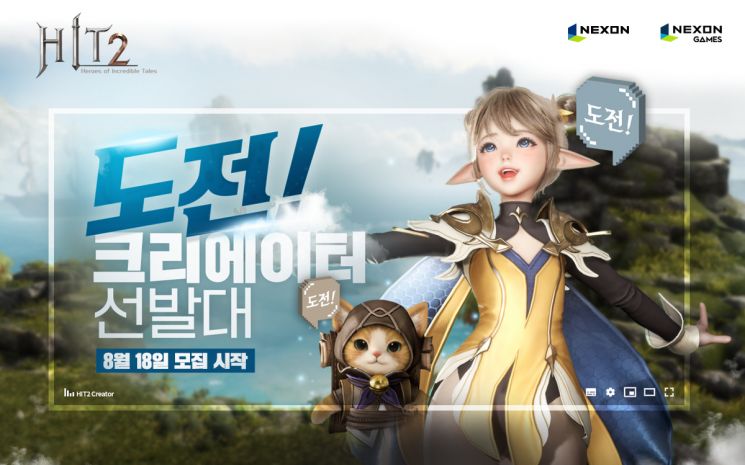
Nexon's upcoming MMORPG "HIT 2," set to launch on the 25th, includes loot box-type items but adopts a softened monetization model. As a highly anticipated title continuing the world of Nexon's flagship IP "HIT," the company communicated its business model plans to users before release.
While existing games induced spending by supplying items that could be earned through gameplay as paid items or by upgrading item grades to devalue existing items, HIT 2 clearly stated it will not operate in this way. For example, it eliminates items with differential probabilities based on user preferences despite being the same grade, or items obtainable only through gacha.
There are also changes in marketing methods. The industry-first "Creator Support System" has been introduced. This system allocates a portion of the amount users pay in-game to creators. Instead of the conventional practice of paying advertising fees to YouTubers and other creators to induce spending, this approach aims to nurture creators.
The gaming industry's attempts to change monetization models and marketing methods stem from growing user dissatisfaction with games centered on loot box-type items. The uniform "pay-to-win" model, where spending money increases character abilities and grants superior items, has reached its limits.
Professor Woo Jung-hyun of Chung-Ang University, president of the Korea Game Society, analyzed, "Sensitivity to business models has increased beyond simple fatigue with spending to a fundamental skepticism about games. As a result, game companies have either removed loot box-type items to try something they had not done before or chosen a compromise by including softened loot box items while enhancing gameplay."
However, since this approach only adjusts the degree of spending inducement within the MMORPG genre, there are calls for new attempts.
Professor Kim Jung-tae of Dongyang University emphasized, "Even large game companies were trapped in loot box-centered business models by considering cost-effectiveness, but new approaches are necessary. There should be more commercial challenges in indie genres and attempts focused on package purchases in console games."
© The Asia Business Daily(www.asiae.co.kr). All rights reserved.

















