Ministry of Land, Infrastructure and Transport to Implement Dynamic Pricing System to Resolve Taxi Crisis
Platform Companies Expect Increased Revenue from Franchise Fees
Kamo, Having Faced Challenges with Smart Call System, Maintains 'Expression Management'
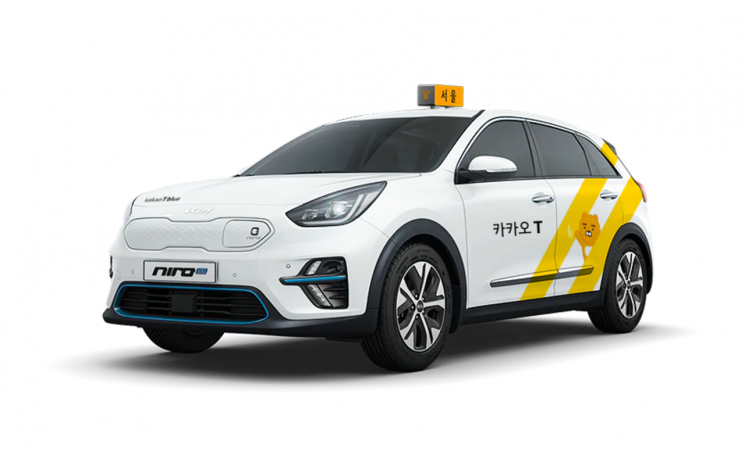
[Asia Economy Reporter Yuri Choi] The government has introduced a dynamic pricing system as a solution to the taxi crisis. With public opinion leaning favorably, its implementation is being discussed for October. While platform companies like Kakao Mobility are seen to have increased growth opportunities and revenue, the industry is cautiously managing its response. This is due to last year's difficulties with the introduction of the smart call system and ongoing opposition from local governments and others.
Government Pushes for Nighttime Dynamic Pricing and Smart Call System... Expected Introduction Around October
According to industry sources on the 22nd, the Ministry of Land, Infrastructure and Transport is promoting the application of nighttime dynamic pricing and the smart call system. After formalizing this in last month's presidential work report, public hearings and opinion gathering are underway. Introduction around October is being discussed.
The dynamic pricing system charges higher fares during peak taxi demand hours and is expected to alleviate the current taxi shortage if implemented. However, it will not apply to all taxi fare systems; it is designed to allow flexible fare increases within a certain range for platform-affiliated taxi fares and call fees for general taxis using intermediary platforms. Currently, it applies to large and premium taxis like 'KakaoT Venti' and 'Kakao Black,' but general mid-sized taxis, which make up the majority of supply, are excluded.
The government introduced the dynamic pricing system to address the severe late-night taxi shortage. Increasing fares is necessary to attract more taxi drivers, but this is difficult due to rapid inflation. Ultimately, it offers a kind of incentive only to platform taxis. Analysts see this as opening growth opportunities for platform industries like Kakao Mobility, as additional revenue from franchise fees and call fees will be generated.
To apply the dynamic pricing system, taxis must be platform-affiliated with app meters like 'KakaoT Blue,' which pay commission fees. Currently, Kakao Mobility charges a 20% franchise fee on taxi sales, which constitutes most of the company's revenue. Additionally, if the smart call system is introduced for general taxis using intermediary platforms, call fees shared with drivers at a certain ratio will be added.
An industry insider said, "Currently, based on Seoul standards, there are about 20,000 platform-affiliated taxis and about 50,000 non-affiliated taxis," adding, "Even after commission fees, taxis wanting to receive dynamic pricing will likely move to affiliated platforms."
Increase in Taxi Driver Inflow Expected... Expansion of Platform Business Opportunities Anticipated
As user inflow increases, various platform business opportunities targeting these users can be anticipated. A platform industry official explained, "The success rate of mid-sized taxi calls will improve, increasing user inflow," and "We can expand business by providing various services to these users."
Public opinion is also not unfavorable. Citizens generally feel, "If it can solve the taxi crisis, some fare increase is acceptable." The taxi industry is also largely supportive. A representative from the National Taxi Labor Union said, "Drivers are leaving due to low income," emphasizing, "Ideally, mid-sized taxi fares themselves should be raised, but if that is difficult, at least the dynamic pricing system should be introduced."
However, platform operators like Kakao Mobility are managing their expressions carefully. Especially since Kakao Mobility faced massive backlash and even a sale crisis after introducing the smart call system last year. A Kakao Mobility official stated, "We cannot disclose individual company positions on the dynamic pricing system, but times have changed, and we believe a flexible approach aligned with market principles is necessary."
It is also burdensome that local governments with authority over taxi fare decisions and some non-affiliated taxis still voice opposition.
A Seoul city official criticized, "If the dynamic pricing system is introduced for mid-sized taxis, taxi fares will effectively be deregulated, benefiting only Kakao, which takes commissions," adding, "The backlash from fare increases is significant, and it is difficult to apply when hailing taxis on the street, so it is questionable whether this is a practically feasible alternative."
© The Asia Business Daily(www.asiae.co.kr). All rights reserved.
![Clutching a Stolen Dior Bag, Saying "I Hate Being Poor but Real"... The Grotesque Con of a "Human Knockoff" [Slate]](https://cwcontent.asiae.co.kr/asiaresize/183/2026021902243444107_1771435474.jpg)
















