81.8% of Deaths Among Unvaccinated Individuals Aged 5 to 18
[Asia Economy Reporter Kim Young-won] It has been revealed that most children and adolescents who died from COVID-19 in South Korea had underlying health conditions.
On the 18th, the Central Disease Control Headquarters announced that the cumulative number of COVID-19 deaths among children and adolescents aged 18 and under was 44 since the first reported case in November last year.
Among them, 52.3% had underlying diseases. Neurological disorders such as epilepsy (22.7%) were the most common, followed by endocrine disorders (11.4%) and congenital malformations (11.4%).
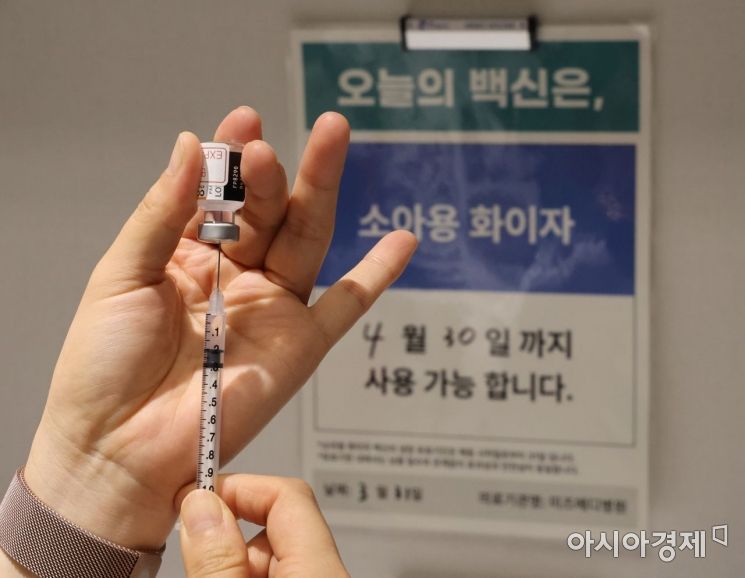
Most of the deceased children and adolescents were also unvaccinated. Among the 22 deaths in the high-risk groups aged 5-11 and 12-18 who were eligible for vaccination, 81.8% were unvaccinated. The remaining 18.2% had completed their second dose.
According to the Central Disease Control Headquarters, overseas studies have also confirmed that children and adolescents with underlying conditions are at risk of severe illness if infected with COVID-19. A U.S. study conducted on 43,465 children infected with COVID-19 from March 2020 to January last year found that the risk of hospitalization for children with underlying conditions was higher compared to those without: ▲Type 1 diabetes 4.60 times ▲Obesity 3.07 times ▲Congenital cardiovascular defects 2.12 times. The risk of hospitalized children progressing to severe illness was highest in the order of type 1 diabetes, congenital cardiovascular defects, epilepsy, and obesity.
The monthly number of confirmed cases among children and adolescents was highest in March, when the Omicron wave peaked (2.53 million), and the monthly death toll was highest in April (13 deaths).
By age group, deaths among children aged 0-9 were more than those among teenagers. Of the 44 deaths, 65.9% were aged 0-9, and 34.1% were aged 10-18.
The government stated that as the number of confirmed cases among children and adolescents is increasing, severe cases and deaths may also rise, and they are securing pediatric hospital beds. The number of special pediatric beds expanded from 246 on June 30 this year to 2,727 beds as of the 17th.
Additionally, guardians of children and adolescents who test positive are being informed about symptoms that could worsen to severe illness. Lim Eum-gi, head of the COVID-19 Vaccination Response Task Force’s Vaccination Management Division, said, "Guardians should carefully watch for symptoms that could worsen to severe illness, such as persistent high fever, seizures, dehydration, chest pain, decreased consciousness, and drooping. If these symptoms persist, please immediately seek expert medical care and consultation to ensure prompt emergency response."
The government also emphasized the importance of active vaccination participation among children and adolescents eligible for COVID-19 vaccination. Currently, the primary (1st and 2nd dose) vaccination targets are all individuals aged 12-17 and high-risk groups aged 5-11. The third dose targets high-risk groups aged 12-17. General children and adolescents can be vaccinated if they wish.
High-risk children and adolescents, who are at particularly high risk of severe illness, are strongly recommended to get vaccinated. High-risk groups include those with chronic lung, heart, liver, or kidney diseases; neurological or muscular diseases; diabetes; obesity; immunocompromised status; and children receiving treatment or care in group facilities due to chronic illnesses.
Lim said, "The primary vaccination for ages 5-11 and the third dose for ages 12-17 aim to prevent severe illness and death in high-risk groups. Since high-risk groups with underlying conditions are currently not getting vaccinated much, we strongly recommend vaccination to prevent severe illness and death in these groups."
The current COVID-19 vaccination rate among children aged 5-11 who are eligible for vaccination is about 2.1% for the first dose and 1.5% for the second dose.
© The Asia Business Daily(www.asiae.co.kr). All rights reserved.

















