Hanmi Rosujet and Boryung Kanab Drive ETC Sales Quarterly Strong Performance
Chronic Disease Patients Continue to Increase
Diversification of Proprietary Products and Portfolio
[Asia Economy Reporter Lee Gwan-joo] Despite challenges such as the resurgence of COVID-19 and rising exchange rates and prices in the second quarter of this year, the unsung heroes behind the solid performance of domestic pharmaceutical companies were the ‘Ethical Therapeutic Drugs (ETC)’. Treatments with steady demand, such as those for chronic diseases and anticancer drugs, were found to have driven actual sales growth.
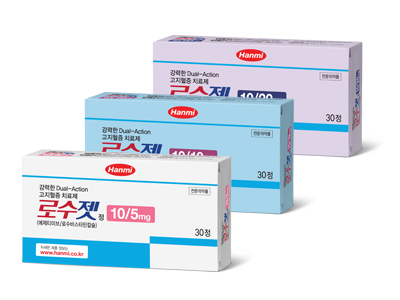
According to the pharmaceutical industry on the 12th, among major domestic pharmaceutical companies such as Hanmi Pharm, Boryung, Daewoong Pharmaceutical, and Yuhan Corporation, growth in the ETC segment stood out alongside overall strong sales. Hanmi Pharm posted consolidated sales of 316.5 billion KRW and operating profit of 31.4 billion KRW in the second quarter, growing 13.3% and 97.7% respectively compared to the same period last year. Growth in the domestic market as well as overseas growth, including 78.5 billion KRW in sales from Beijing Hanmi, led the sales increase. In particular, ETC products drove strong performance in the domestic market, with sales of ‘Rosuzet’, a treatment for dyslipidemia, increasing by 13% to 33.9 billion KRW. Additionally, the ‘Amozaltan Family’ for hypertension recorded sales of 32.2 billion KRW, and Esomezol, used for gastroesophageal reflux disease and others, posted 13.7 billion KRW in sales.
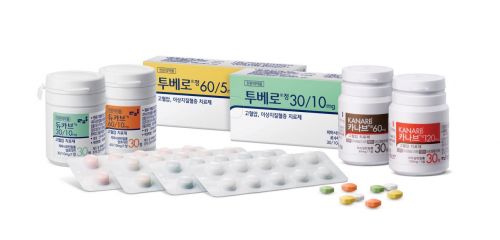
Boryung achieved its highest-ever quarterly sales of 172.2 billion KRW in the second quarter, up 21.4% from the same period last year. ETC accounted for 84% of sales, with notable growth in chronic disease treatments and anticancer drugs. The ‘Kanab Family’ for hypertension led with sales of 32.6 billion KRW, up 21%. Anticancer drugs grew from 22.8 billion KRW in Q2 last year to 36.4 billion KRW this year, increasing by 60% and becoming a mainstay for Boryung. Neulasta, an anticancer adjuvant therapy co-marketed with Kyowa Kirin Korea, recorded 8.7 billion KRW, and Gracin posted 4.4 billion KRW. Samsung Bioepis’s biosimilars Samfenet and Onbeve recorded sales of 1.6 billion KRW and 4.5 billion KRW respectively.
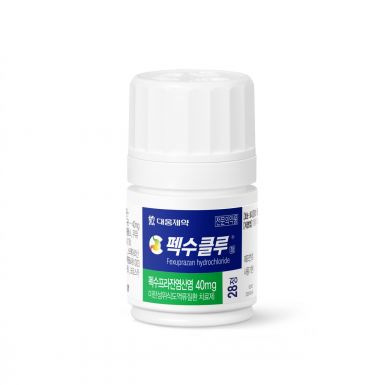
Daewoong Pharmaceutical generated 205.8 billion KRW, or 70%, of its 293.8 billion KRW sales in the second quarter from the ETC sector. High-profit product groups such as the hyperlipidemia treatment Crezet, liver function enhancer Urusa, diabetes treatment Diabex, and antithrombotic Anplone each grew by more than 10%, and sales of the diabetes treatment Forxiga, which is distributed by Daewoong, increased by more than 30%. The new drug for gastroesophageal reflux disease, ‘Pexuclu’, was officially launched domestically in July and is accelerating its overseas expansion, drawing attention as a new cash cow.
Yuhan Corporation, which recorded sales of 468 billion KRW in the second quarter, also saw high growth centered on chronic disease treatments. Diabetes treatments ‘Tradjenta’ and ‘Jardiance’ posted sales of 34.1 billion KRW and 20.5 billion KRW respectively, while the hypertension treatment ‘Twinstar’ recorded 23.7 billion KRW. Among these, sales of Jardiance increased by more than 40% compared to the same period last year. Additionally, treatments for hepatitis B and others supported solid performance.
As the number of chronic disease patients in Korea continues to rise, the growth of pharmaceutical companies with strong chronic disease portfolios is expected to continue. An industry official said, “A virtuous cycle environment is being established where increased sales are reinvested into research and development,” adding, “Increasing the proportion of proprietary products and further diversifying the portfolio are future challenges.”
© The Asia Business Daily(www.asiae.co.kr). All rights reserved.



















