Global Natural Disaster Losses Reach $65 Billion
Animals Shift Habitats Due to Climate Change
Increased Inter-Species Contact May Spread Viruses
"International Cooperation Most Important for Climate Action"
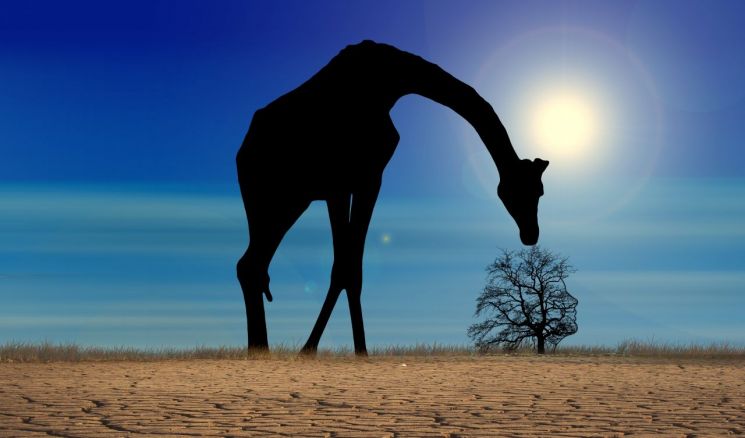 There is a prediction that the risk of new infectious diseases may increase as animal habitat migration rises due to climate change.
 [Image source=Pixabay]
[Asia Economy Reporter Kim Jung-wan] As climate change increases the frequency and damage of heatwaves, heavy rains, and wildfires, animals are leaving their habitats and moving to other areas. There are concerns that new infectious diseases could emerge during this process. As animals expand their range of movement, viruses can also spread widely. Experts suggest that extreme weather events are linked to environmental destruction, such as carbon emissions, and that these issues must be resolved promptly.
Extreme climate changes such as heatwaves and heavy rains have recently occurred. Since the 8th, over 500mm of heavy rain fell in Seoul, with concentrated downpours centered in the central region. Damage has been widespread. The Central Disaster and Safety Countermeasures Headquarters reported that from the 8th to 6 a.m. on the 12th, 13 people died and 6 went missing due to the heavy rains. The provisional death toll includes 8 in Seoul, 3 in Gyeonggi, and 2 in Gangwon. The missing persons include 1 in Seoul, 3 in Gyeonggi, and 2 in Wonju, Gangwon, concentrated in Seoul, Gyeonggi, and Gangwon areas.
Additionally, this year, an early heatwave caused the first-ever 'June tropical night' to be recorded. At 13 observation points including Seoul and Chuncheon, early tropical night phenomena appeared starting in June. The first tropical night in Seoul this year occurred on June 26, much earlier than last year (July 12) and the year before last (August 4). Experts are raising concerns that in relation to natural disasters such as heatwaves and heavy rains, we need to prepare for the worst situations never experienced before.
 On the night of the 8th, when heavy rain poured down in Seoul, the road near Daechi Station in Seoul was flooded. Vehicles were submerged in water. [Image source=Yonhap News]
Climate change causing disasters is not a problem unique to our country. According to a report released on the 28th of last month by Munich Re, the world's largest reinsurance company based in Germany, losses from natural disasters worldwide in the first half of this year amounted to $65 billion (approximately 84.8 trillion KRW). The death toll from natural disasters in the first half was about 4,300, 1.9 times higher than the same period last year.
The World Meteorological Organization (WMO) reports that economic losses from climate-related disasters in the 2010s increased 7.8 times compared to the 1970s. Thorsten Jeworrek, Director of Munich Re, expressed concern, stating, "Natural disasters in the first half of the year were dominated by climate-related catastrophes."
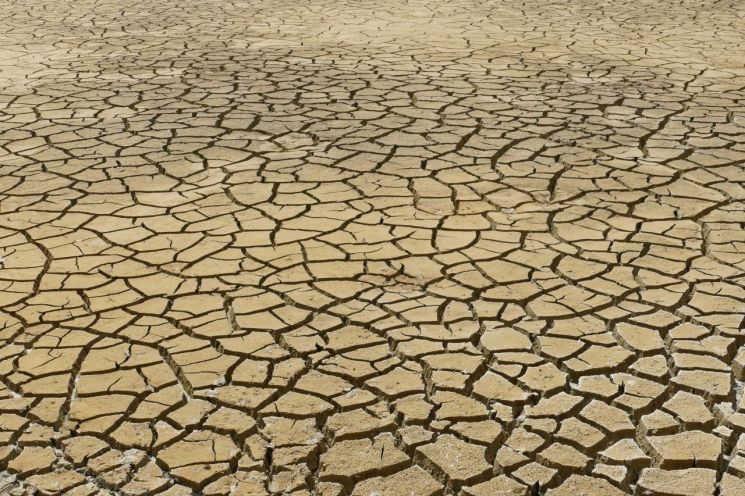 Experiencing climate disasters such as heatwaves, heavy rain, and drought is not unique to our country. [Image source=Pixabay]
Research results have shown that such climate change causes the emergence of new infectious diseases. According to a paper published in the international journal Nature in April by Dr. Colin Carlson's research team at Georgetown University Medical Center, climate change is forcing animals to move to new habitats. This increases the likelihood of exchange of numerous infectious viruses carried by animals due to increased interspecies contact.
The research team explained, "Climate change and pandemics are not separate, isolated issues," and emphasized that "they should be regarded as serious and threatening problems currently occurring."
Currently, animals are already moving to find new habitats. The ranges of birds and butterflies are changing, and humpback whales are moving northward following their food due to rising sea temperatures. Last month, the World Health Organization (WHO) also reported that the incidence of zoonotic diseases?those transmitted from animals to humans?has increased by 63% compared to ten years ago.
In the context of the COVID-19 pandemic experience, there are calls to devise measures against the climate crisis as we may face another infectious disease. COVID-19 is presumed to have originated from bats and transmitted to humans. Zoonotic diseases include COVID-19, which has maintained a public health emergency for over two and a half years, as well as monkeypox, Ebola virus, dengue fever, and anthrax.
The Intergovernmental Panel on Climate Change (IPCC) released the Sixth Assessment Report's Working Group II report in February, pointing out that short-term, solution-focused measures by governments can reduce the impact of climate change but cannot completely eliminate it.
The researchers see rapid carbon reduction as the only solution. Christiana Figueres, former Executive Secretary of the United Nations Framework Convention on Climate Change (UNFCCC), stated, "Failure to reduce carbon emissions reminds us of the devastating impacts on global health, economy, and society." Aromal Levi, lead author of the report and director of the Indian Institute for Human Settlements, said, "International cooperation is both the weakest link and the most important part of climate action. Support from developed countries is essential for climate-friendly development in Asia, Africa, and other regions."
© The Asia Business Daily(www.asiae.co.kr). All rights reserved.
![Clutching a Stolen Dior Bag, Saying "I Hate Being Poor but Real"... The Grotesque Con of a "Human Knockoff" [Slate]](https://cwcontent.asiae.co.kr/asiaresize/183/2026021902243444107_1771435474.jpg)


















