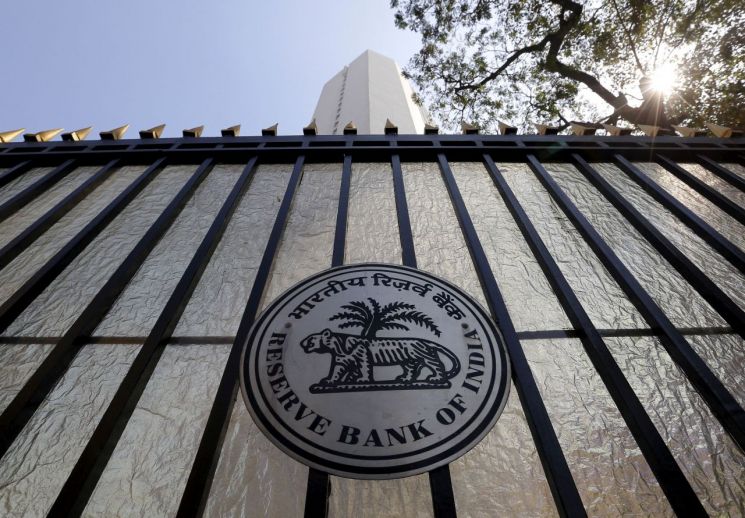
[Asia Economy Reporter Jeong Hyunjin] The Reserve Bank of India (RBI) raised its benchmark interest rate by 0.5 percentage points from 4.9% to 5.4% on the 5th (local time) to counter the surge in inflation. Having injected liquidity during the COVID-19 crisis, the RBI is now reducing liquidity due to inflation concerns.
According to Bloomberg and other sources, RBI Governor Shaktikanta Das held a press conference on the day and announced that the monetary policy committee unanimously decided to raise the repo rate, the benchmark interest rate. The RBI has raised rates by a total of 1.4 percentage points over the last three hikes. In May, it raised rates by 0.4 percentage points for the first time in 3 years and 9 months, and in June, it raised the benchmark rate again by 0.5 percentage points.
India had cut its benchmark rate from 6.50% to 6.25% in February 2019 to stimulate the economy ahead of the general election, and continued to lower rates several times after the COVID-19 outbreak.
The reason the RBI has decided on these consecutive rate hikes is that inflation in India remains uncontrolled. India's Consumer Price Index (CPI) hit 7.79% in April, the highest in 8 years, then recorded 7.04% in May and 7.01% in June, maintaining above 7% for three consecutive months. Governor Das said, "Inflationary pressures are broad-based and core inflation continues to rise," setting the target inflation rate at 2-6%.
The International Monetary Fund (IMF) recently lowered India's GDP growth forecast for the 2022-2023 fiscal year from 8.2% to 7.4%.
© The Asia Business Daily(www.asiae.co.kr). All rights reserved.
![Clutching a Stolen Dior Bag, Saying "I Hate Being Poor but Real"... The Grotesque Con of a "Human Knockoff" [Slate]](https://cwcontent.asiae.co.kr/asiaresize/183/2026021902243444107_1771435474.jpg)
















