Mandatory 'Tentative List' Name Added... Qualification Granted After At Least One Year
"Outstanding Physical Evidence Demonstrating the Prosperity and Spread of Buddhist Seon Sect Culture"
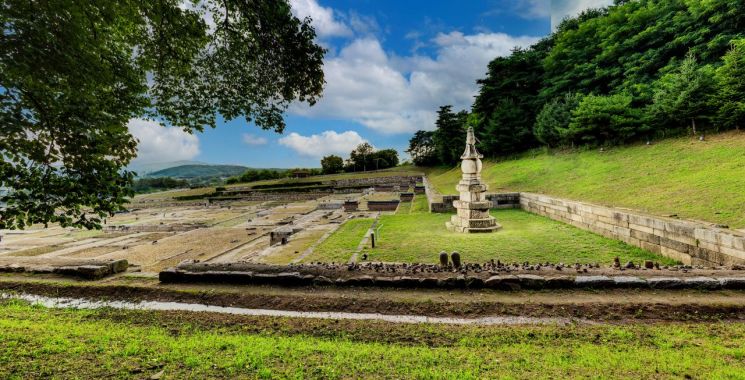
The 'Yangju Hoeamsaji Site' has been added to the UNESCO World Heritage Tentative List, a gateway to official inscription. On the 26th, the Cultural Heritage Administration announced that the Yangju Hoeamsaji Site was registered on the UNESCO World Heritage Tentative List on the 20th and has been officially posted on the World Heritage Centre's website. The Tentative List is a preliminary list of heritage sites deemed worthy of World Heritage inscription. It is a mandatory step before official registration, and at least one year must pass before an application for inscription can be submitted.
Yangju Hoeamsa Temple is believed to have been founded in the 12th century. It is said to have been established by the Indian monk Jigong and expanded in scale by his disciple Naong. The finest artisans of the time constructed the largest temple complex (garram, 伽藍) in the country, and large-scale Buddhist ceremonies were conducted. Hoeamsa flourished further during the early Joseon period. King Taejo abdicated the throne and lived here with the monk Muhak. Prince Hyoryeong, who was deeply devoted to Buddhism, took special interest in the temple’s reconstruction, and Queen Jeonghui and Queen Munjeong ordered extensive renovations. However, the temple gradually declined and was abandoned as Buddhism waned in influence.
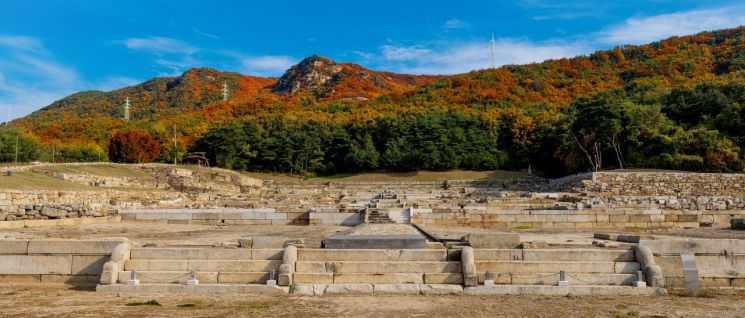
Designated as a historic site in 1964, the Hoeamsaji Site has undergone ten archaeological excavations since 1997. The investigations confirmed architectural styles similar to those of palaces, and a large number of valuable relics such as ceramics and roof tiles, which were exclusively used by the royal family, were unearthed. Many of these artifacts bear inscriptions that reveal their patrons and production periods. All are of the highest quality, indicating the significant status of Hoeamsa at the time. The site is divided into the central temple area, where about seventy building foundations have been identified, and monuments commemorating eminent monks, including stupas, stone lanterns, and stele. There are nine designated cultural properties, including four treasures such as the 'Yangju Hoeamsaji Saritap (relic pagoda)'.
In the Tentative List application submitted to UNESCO, the Cultural Heritage Administration highlighted the site’s outstanding universal value as an exceptional physical testament to the flourishing and spread of Buddhist Seon (Zen) culture in 14th-century East Asia. Including the Yangju Hoeamsaji Site, South Korea currently has thirteen heritage sites on the UNESCO Tentative List. Previously listed sites include 'Seoraksan Natural Reserve', 'Gangjin Kiln Sites', 'Dinosaur Fossil Sites on the Southern Coast', 'Central Inland Mountain Fortress Cluster', 'Daegokcheon Rock Carvings', 'Salt Fields', 'Upo Wetland', 'Oeam Folk Village', 'Nagan Eupseong', 'Hanyangdoseong (Seoul City Wall)', 'Hwasun Unjusa Stone Buddha and Pagoda Cluster', and 'Gaya Tumuli'.
© The Asia Business Daily(www.asiae.co.kr). All rights reserved.


















