Tea and Dim Sum, Excellent Yum Cha
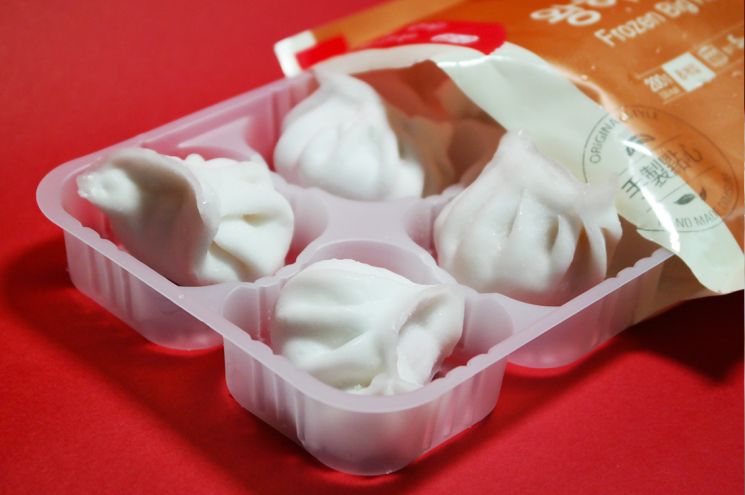
Dim sum, which uses the same Chinese characters as ‘jeomsim (點心)’, means ‘a light meal eaten as if putting a dot on the heart.’ When we think of dim sum, we usually imagine dumplings, but in fact, dim sum is a general term for light snacks that can satisfy hunger. Not only dumplings, but also light foods like small rice balls or porridge are types of dim sum.
In Hong Kong, there is a culture of enjoying tea with dumplings at tea houses. This light meal, enjoyed between breakfast and lunch, is called ‘Yum Cha (飮茶)’ in Hong Kong. Writing this makes me suddenly crave the taste of dumplings I enjoyed with tea in Hong Kong. But since I can’t travel to Hong Kong right now, I searched for ‘dim sum’ on Market Kurly and ordered three kinds of dumplings. The deliciously brewed tea essential for Yum Cha is also ready.
Changhwaru
Xiaolongbao
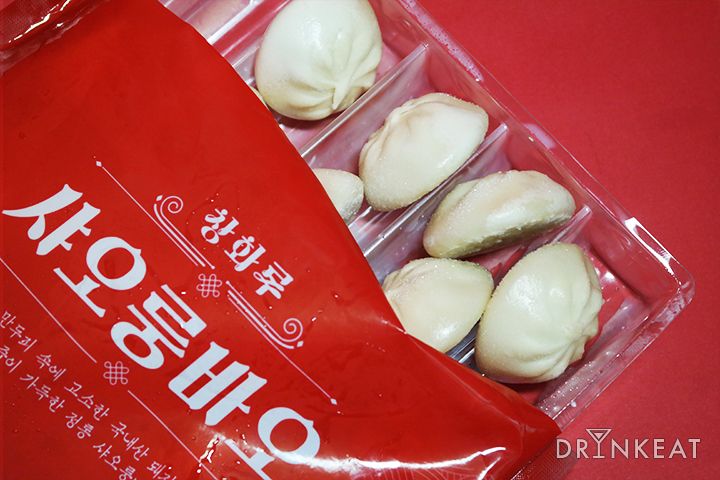
Xiaolongbao, also called ‘soryongpo,’ is a small dumpling filled with minced pork or shrimp. ‘Xiaolong’ refers to the small steaming basket used to steam the dumplings, and ‘bao’ means dumpling. Xiaolongbao is a dumpling with a unique and fun way of eating. You tear the dumpling skin slightly to first taste the broth inside, then eat the rest.
The first dumpling to try is the Xiaolongbao from ‘Changhwaru,’ a Chinese restaurant that is the second brand of the handmade dumpling specialty store ‘Changhwadang.’ Inside the packaging, there are 15 frozen dumplings, each bite-sized. Steam them for about 8 to 10 minutes. Be especially careful not to tear the dumpling skin during cooking. The broth is the life of Xiaolongbao.
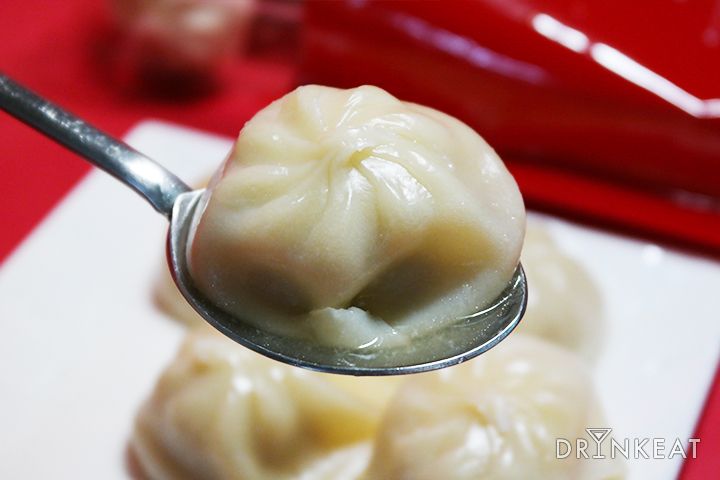
After cooking, the Xiaolongbao, which had been flat and frozen, became soft dumplings full of broth. Instead of a Chinese spoon, I carefully tore the dumpling skin on a Korean spoon. A generous amount of broth flowed out, enough to fill the spoon. The broth I slurped was rich but never greasy or oily. The minced pork filling had a rich flavor without any unpleasant odor. The spices were not strong, so even those who are sensitive to spices can enjoy it comfortably. The taste was surprisingly similar to what you get at Hong Kong or Chinese restaurants, so I highly recommend it to those who miss the Xiaolongbao they tasted while traveling.
TIP) This dumpling pairs well not only with tea but also with beer. Try it with a refreshing, slightly bitter beer.
Semiwon Food
Wang Ha Gao
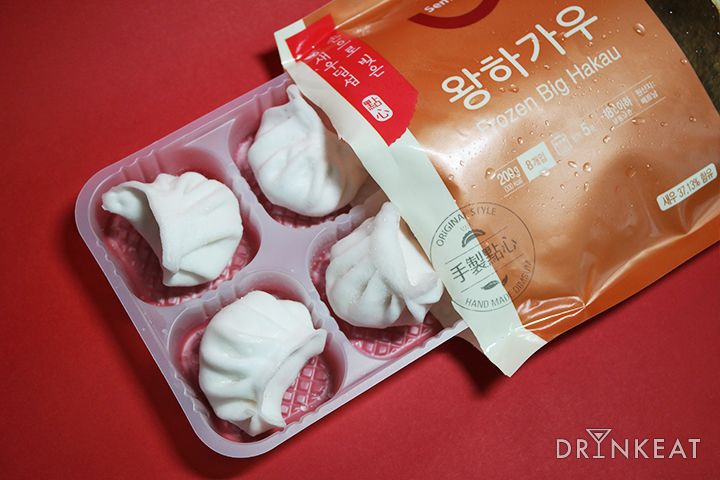
Ha Gao is a steamed dumpling made with plump shrimp filling wrapped in a thin and chewy dumpling skin. ‘Ha’ means shrimp, and ‘Gao’ refers to a small dumpling made with thin skin. It is characterized by its unique shape created by pleating the dumpling skin, traditionally with more than ten pleats.
Semiwon Food’s Wang Ha Gao contains eight dumplings per bag. Like Xiaolongbao, they are small enough to fit in one bite. The pleats are nicely made. Steam them frozen for about 5 minutes.
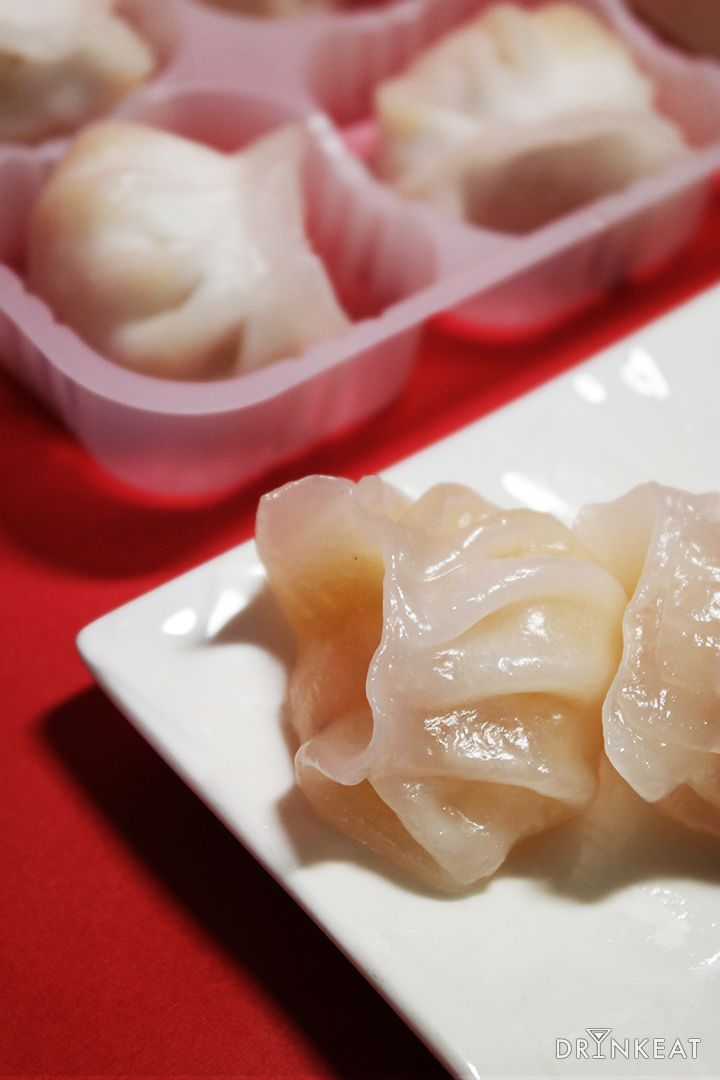
The dumplings taken out of the steamer had an appetizing sheen. The dumpling skin, which was white and frozen, became translucent after cooking. When picked up with chopsticks, the chewy and springy texture of the starch-based dumpling skin was noticeable. The texture was also chewy like potato starch dumplings. It was a bit disappointing that the dumpling skin was slightly thicker than typical Ha Gao. The filling contained cocktail-sized whole shrimp, preserving the shrimp’s flavor and texture. It was impressive that the filling was packed only with shrimp, not pork or other ingredients, enhancing the flavor. The dumplings were somewhat salty on their own, so they were delicious even without dipping sauces.
TIP) Make egg noodle wonton soup by adding egg noodles, and you can create a wonderful dish reminiscent of the famous Hong Kong restaurant ‘Max Noodle.’ They also go well with rice noodles.
Seoul Mandu
Shrimp Shumai
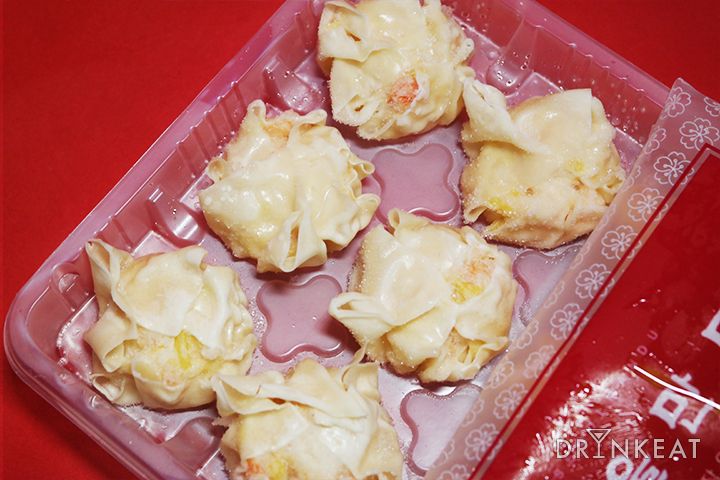
The flower-shaped dumpling that immediately comes to mind when thinking of dim sum is Shumai. Also called ‘Siomai,’ ‘Shomai,’ or ‘Shumai,’ these dumplings are made by wrapping minced pork, fish, or shrimp in thin dumpling skins and shaping them like flowers before steaming. They are found not only in China and Hong Kong but also in various regions such as Japan and Indonesia.
Seoul Mandu’s Shrimp Shumai is made with shrimp meat, pork, and bamboo shoots. Each bag contains nine dumplings. They can be cooked directly in the microwave from frozen without a steamer. The convenience of cooking without a steamer is a big advantage.
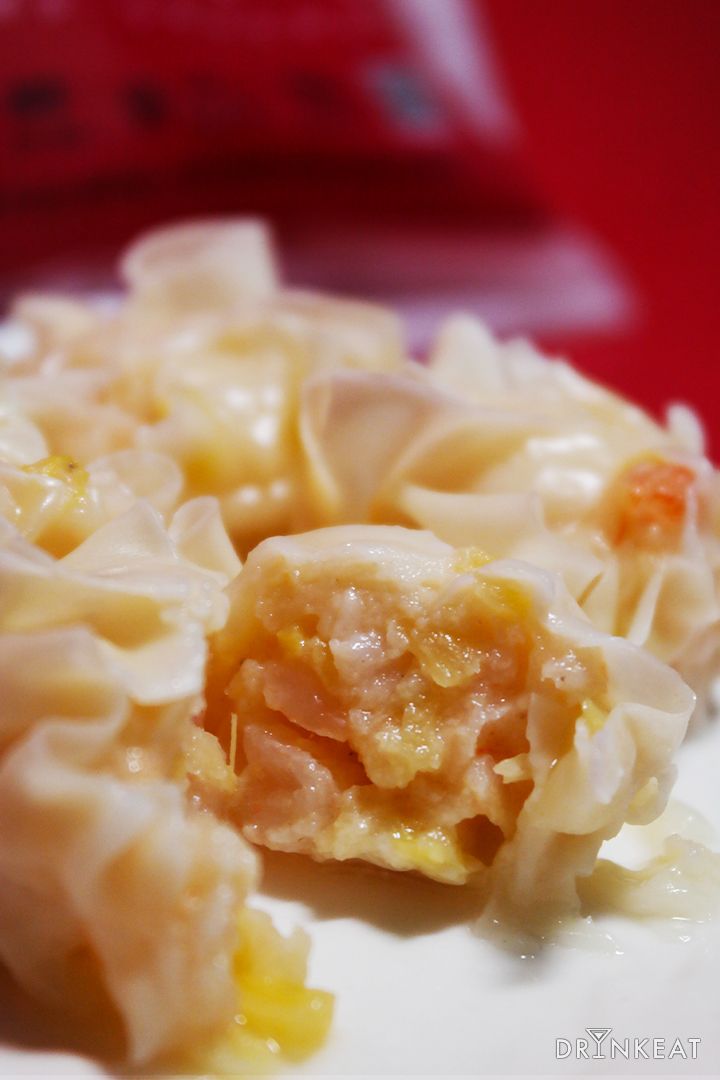
The irregularly clumped dumpling skin absorbed moisture and became like fluttering flower petals. The dumplings cooked without bursting or losing shape. Under the thin and elastic skin, the filling was packed tightly, making the dumplings quite firm. When cut in half and tasted, the nutty flavor of sesame oil enveloped the mouth, followed by the flavors of pork and shrimp. The crunchy texture of bamboo shoots added charm. Without any unpleasant odors, all ingredients harmonized cleanly. The filling was slightly richer than Ha Gao. Among the three dumplings, it was the saltiest and paired best with the slightly bitter tea.
TIP) Try topping the dumplings with thinly sliced fresh ginger. It will enhance the flavor even more!
Summary
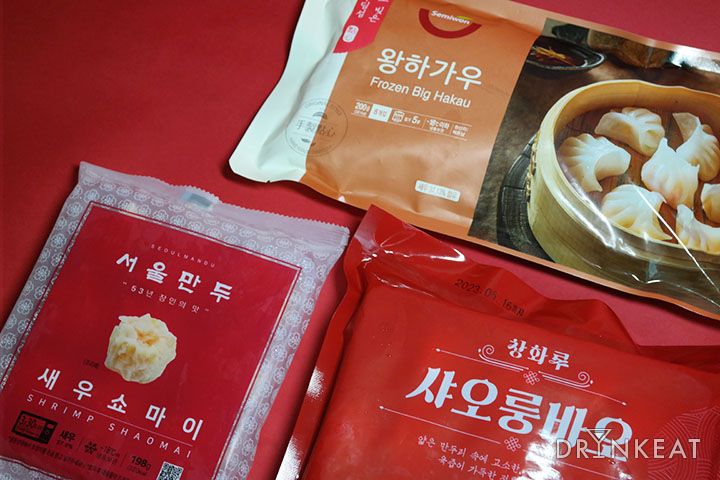
Tasting these three dumplings completely shattered my prejudice against frozen dumplings. They were excellent enough to rival dumplings eaten at restaurants. It felt like sitting in a dim sum restaurant. I intended to lightly satisfy my hunger thinking of putting a dot on my heart, but I simply couldn’t stop picking them up with chopsticks. These dumplings, perfect for enjoying the Hong Kong-style Yum Cha culture with tea or as a beer snack, should definitely be added to your shopping cart.
Photo by Kim Bomi
© The Asia Business Daily(www.asiae.co.kr). All rights reserved.



















