Agricultural Commodity ETFs Show 10% Loss Over 3 Months
Grain Prices Drop 10% in the Past Month
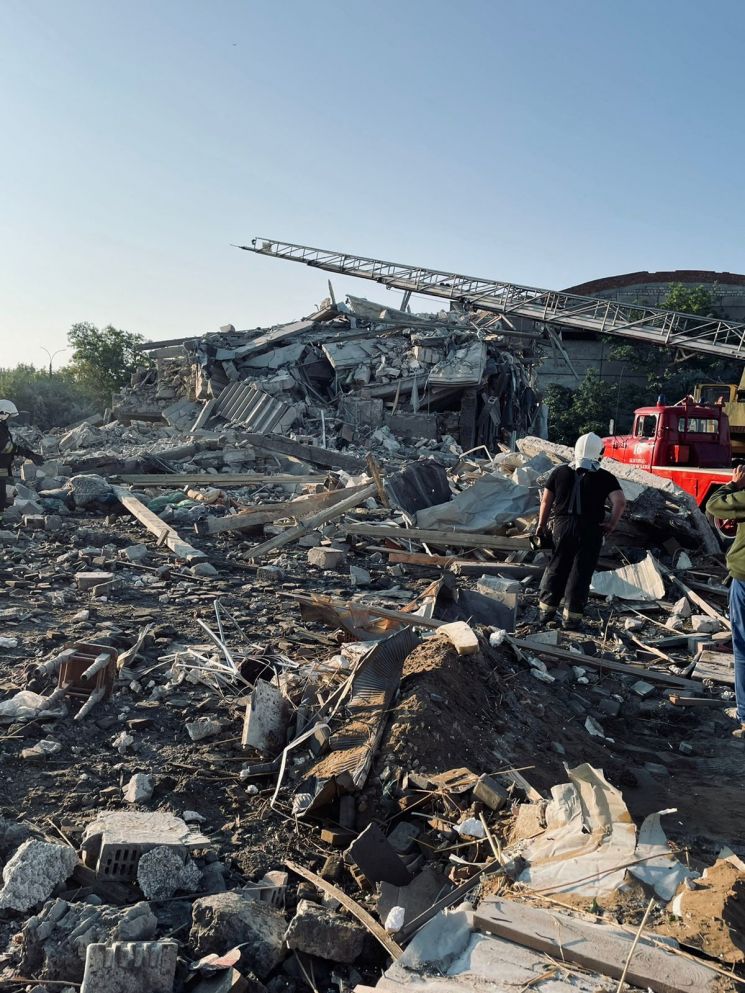
[Asia Economy Reporter Hwang Yoon-joo] Agricultural commodity prices, which surged due to the Russia-Ukraine war, have recently declined over the past month, causing losses in agricultural commodity-related exchange-traded funds (ETFs).
According to the Korea Exchange on the 5th, all three agricultural commodity-related ETFs listed domestically recorded losses in the double digits. The returns over the past three months were KODEX 3 Major Agricultural Commodities Futures (H) -14.85%, TIGER Agricultural Commodities Futures Enhanced (H) -13.12%, and KODEX Soybean Futures (H) -10.36%.
These three ETFs posted returns of +8.85%, +11.85%, and +14.70%, respectively, over the past six months. The shift to negative returns began three months ago. Prices had surged more than 30% in the first half of the year but fell more than 10% within the last month.
The agricultural commodity market is in a better supply-demand situation than energy because agricultural products were excluded from sanctions against Russia. Russia’s grain exports mainly target low-income countries.
Favorable crop outlooks for Russia this year and next are also exerting downward pressure on prices. Oh Jae-young, a researcher at KB Securities, explained, "Ukraine, the world's largest arable land, accounts for about 2.5% of global production and around 8.7% of exports for grains. Except for some items, damage can be mitigated by increasing production in other regions."
Additionally, the agricultural commodity market benefits from relatively short price cycles. Major production areas are distributed globally, with planting and harvesting occurring year-round. This means there is a high likelihood of increased production for crops approaching planting seasons due to price rises. During past agricultural commodity price surges in 2008 and 2010, stock levels increased following production growth after price spikes.
The market generally agrees on the downward stabilization of agricultural commodity prices. Some voices suggest expanding the allocation to agricultural commodities. Hwang Byung-jin, a researcher at NH Investment & Securities, pointed out, "The view to ‘increase allocation’ in agricultural commodity investments, where supply-side price influence outweighs global demand, remains valid for the second half of the year. The possibility of La Ni?a occurring for three consecutive years and the burden of high energy prices exist as upward price pressures due to supply uncertainties."
© The Asia Business Daily(www.asiae.co.kr). All rights reserved.


















