"Do Not Sell Tourism Products Involving Animal Abuse"
Overseas, Animal Protection Travel Programs Established Since 2019
"Travel Industry Changes as Consumers Prioritize Animal Welfare"
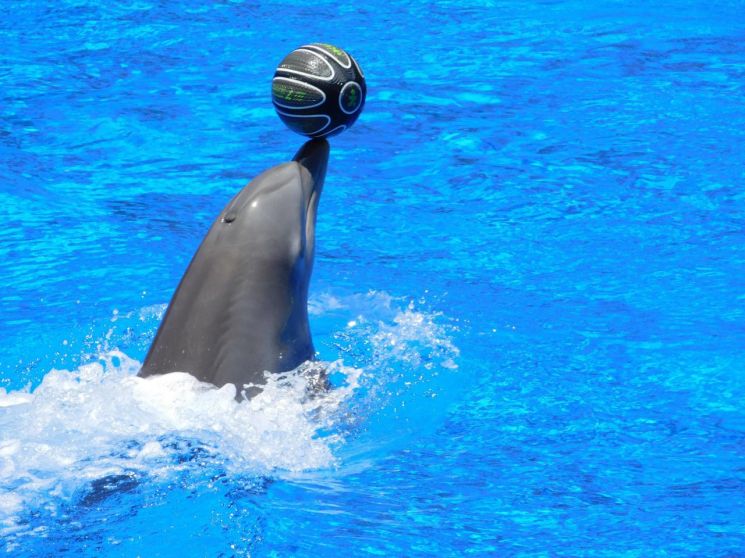 A change in the travel industry to eliminate tourism programs involving animal abuse is being observed. The photo is unrelated to specific expressions in the article. [Image source=Pixabay]
[Asia Economy Reporter Park Hyun-joo] As the population raising companion animals increases, discussions on animal rights are being actively conducted. Accordingly, the travel industry has introduced a policy not to sell tourism products involving animal abuse. Experts see this as a shift in the travel industry toward paying attention to animal welfare, as more consumers express their values and beliefs through consumption.
Hana Tour announced on the 4th that it will abolish all travel products that could cause controversy over animal abuse during overseas trips. Accordingly, elephant trekking, animal shows, and horse-drawn carriages, which tourists could previously use in Thailand, Laos, and other places, will be removed from travel products.
This decision was made after travelers who used animal-related programs expressed opinions such as "I felt uncomfortable throughout the trip because it seemed like the animals were being overworked" and "I want a trip that protects animals and preserves nature." Instead, Hana Tour plans to replace these with programs that protect and interact with animals, such as feeding and bathing elephants in elephant sanctuaries.
Movements to eliminate travel products involving animal abuse have been attempted on overseas travel platforms in the past. TripAdvisor established a policy in 2019 not to handle products from facilities that breed or import whales for exhibitions such as dolphin shows. This is part of the animal welfare policy established in 2016. Airbnb's animal programs launched the same year are conducted under the guidance of professional experience hosts such as biologists and environmental activists, following guidelines established in cooperation with global animal protection organizations.
The breeding environment of animals used in tourism is known to be extremely poor. In January 2020, the MBC documentary "Humanimal" visited an elephant ecological park in Chiang Mai, Thailand, exposing the horrific reality behind elephant trekking. To use elephants for circuses, trekking, festivals, etc., a "Phajaan ritual" is performed to remove their wild nature. In this process, calves less than two years old are forcibly separated from their mothers, confined for ten days, and subjected to torture involving stabbing and beating their entire bodies.
According to Humanimal, more than a quarter of all elephants in Thailand undergo the Phajaan ritual to be used for labor or performances. Some elephants abused during this process stop eating and drinking or faint and die, and even surviving elephants often suffer brain damage.
Regarding this, the World Animal Protection (WAP) issued a press release in June 2020 stating, "Endangered elephants are being cruelly used as entertainment." They appealed to stop animal abuse tourism, saying, "Although the tourism industry was temporarily halted due to the COVID-19 pandemic, tourism will resume once the pandemic ends. Now is the best opportunity to design a better future."
The situation is similar for other animals. In August 2021, foreign media such as Newsweek reported that 'Jambolina,' a bear rescued after lifelong abuse in a Ukrainian circus troupe, had died. According to reports, Jambolina was sold to the circus troupe a few weeks after birth, lived as a circus bear through harsh training and performances, and had to stay curled up in a cage smaller than her body. Despite injuries such as damaged teeth, she did not receive proper treatment.
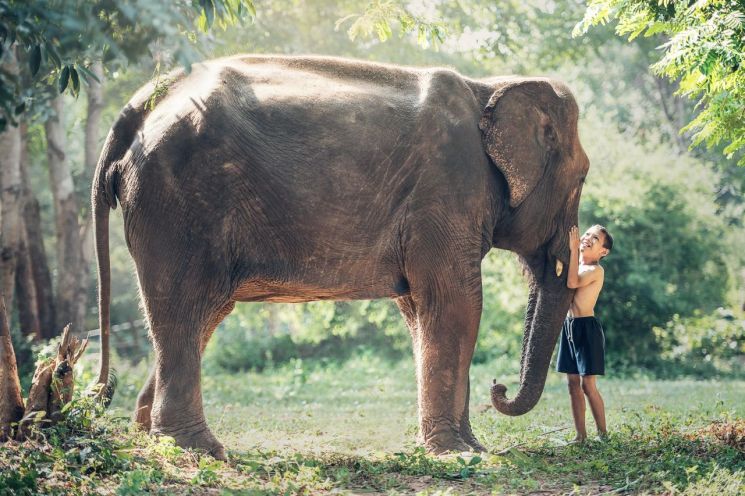 The breeding conditions of animals used in tourism are known to be extremely poor. The photo is unrelated to any specific expressions in the article. [Image source=Pixabay]
Animal protection organizations welcome these changes in the travel industry. Jo Hee-kyung, head of Animal Freedom Union, said, "Many citizens felt uncomfortable because travel agencies often included easily accessible animal abuse programs such as animal shows and circuses in their itineraries. I hope this decision not to sell travel products that abuse animals spreads to other travel agencies," positively evaluating the move. She also urged, "However, I hope that careful monitoring is conducted to ensure that local travel agencies practically implement the headquarters' animal protection policies."
Animal Freedom Union, which presented guidelines in 2014 on "How to be a humane traveler practicing animal protection," stated, "Animal shows watched carelessly during enjoyable trips or souvenirs purchased for memories may be products of cruel animal abuse," and encouraged humane travel, saying, "It is possible to fully enjoy the culture and customs of travel destinations without contributing to the animal abuse industry." The guidelines recommend that when purchasing group tour products through travel agencies, consumers should always check in advance whether services involving animal abuse such as animal shows, circuses, or trekking are included.
Experts see this change as a result of an increase in consumers who enjoy value-based consumption. Professor Lee Eun-hee of Inha University's Department of Consumer Studies said, "As interest in animal welfare has increased recently, such as the movement to end dog meat consumption, consumers have emerged who refuse to support animal abuse during travel and tourism. The travel industry has responded to this," adding, "Since value consumption is a trend, this change is expected to continue expanding."
© The Asia Business Daily(www.asiae.co.kr). All rights reserved.
![Clutching a Stolen Dior Bag, Saying "I Hate Being Poor but Real"... The Grotesque Con of a "Human Knockoff" [Slate]](https://cwcontent.asiae.co.kr/asiaresize/183/2026021902243444107_1771435474.jpg)

















