Eco-Friendly Breeze in the Fashion Industry
Increase in Eco-Friendly Fiber Production... "Rising Demand Drives Production Growth"
Industry Expands Eco-Friendly Product Lines
[Asia Economy Reporter Song Seung-yoon] As the eco-friendly trend spreads throughout the distribution industry, the fashion industry is also experiencing a wave of sustainability. Clothes made from recycled materials or emphasizing value consumption are gaining popularity, especially among the MZ (Millennial + Generation Z) generations.
According to the Korea Chemical Fibers Association on the 22nd, global polyester production in 2020 was 57.1 million tons, a 1% decrease from the previous year. In contrast, recycled polyester fiber production during the same period increased by 6.3% to 8.4 million tons. Recycled polyester now accounts for 14.7% of total polyester fiber production. This increase is attributed to growing demand for eco-friendly materials.
Eco-friendly recycled fibers made from plastics have become mainstream in the fashion industry. Global outdoor brand Patagonia used recycled eco-friendly fibers in nearly 88% of its spring season products this year. Global companies like Nike and Adidas are also expanding their product lines using plastic fibers, continuously introducing eco-friendly fashion.
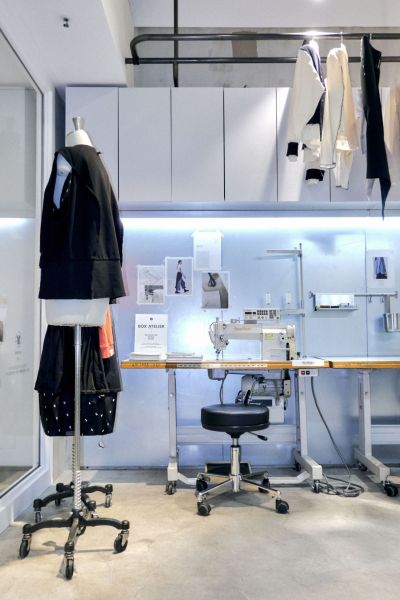
Domestically, Kolon FnC is leading eco-friendly fashion. The recycled-based fashion brand RAEKODE is a prime example. RAEKODE has collaborated with well-known domestic and international brands such as Nike and Tommy Jeans to offer products made from leftover or upcycled fabrics. Last year, BTS wore suits from this brand at the United Nations General Assembly event in New York, drawing significant attention. They also operate a repair and reform service called ‘Box Atelier,’ allowing customers to mend or remodel their worn clothes.
BYN Black Yak’s eco-friendly outdoor brand NOW has been producing products using sustainable methods and materials since its launch in 2007. Recently, they introduced clothing made from recycled fishing nets collected from the ocean and recycled PET bottles used domestically. They plan to expand the proportion of eco-friendly products to 94% for this SS season. Brands like Marhen.J, Orbis Stella, and Vegan Tiger, which promote vegan consumption, are also popular among the MZ generation.
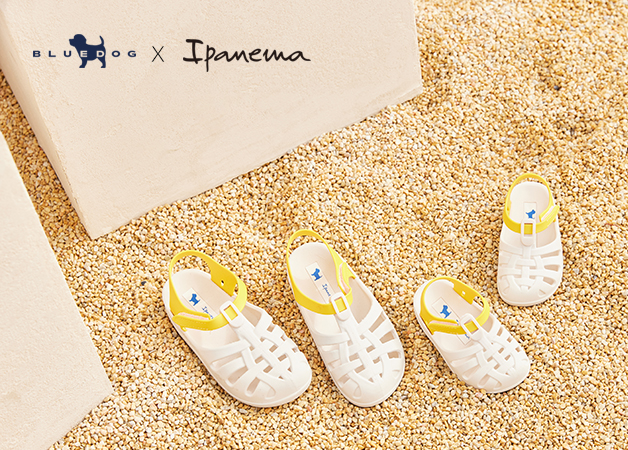
This trend is especially pronounced in children’s clothing. The industry analyzes that as the MZ generation, who value conscious consumption, become parents, interest in eco-friendly products has grown not only in adult clothing but also in children’s wear. Western Networks’ ‘Blue Dog’ and ‘Blue Dog Baby’ recently released vegan sandals in collaboration with Brazilian flip-flop specialist brand Ipanema. This initiative aims to continue meaningful activities for a sustainable environment and future. The vegan sandals use 100% recyclable PVC and up to 30% recycled materials. The manufacturing process also employs eco-friendly techniques. Pastel Sesang plans to apply organic cotton and recycled materials, previously used only in some products, to all products of its children’s brand ‘Petit Bateau’ by 2025. Hansedream’s Levi’s Kids has also recently launched a series of organic T-shirts.
It’s not just clothing. CJ OnStyle switched all plastic tape used for shipping products to paper tape in celebration of World Environment Day. Hansome also started the ‘Carbon Zero Project’ last year, following the use of paper tape, and is processing leftover clothing in an eco-friendly manner.
© The Asia Business Daily(www.asiae.co.kr). All rights reserved.


















