Continuous Increase Since the Fourth Week of April
[Asia Economy Reporter Kim Young-won] Since the lifting of social distancing measures, reports of norovirus and adenovirus infections among infants and young children have increased.
On the 20th, the Korea Disease Control and Prevention Agency (KDCA) urged strict hygiene management in childcare facilities and adherence to related preventive measures as the number of reported cases of norovirus infections and intestinal adenovirus infections has recently risen.
According to 208 nationwide sentinel surveillance institutions, the number of reported norovirus and adenovirus infection cases has steadily increased since the fourth week of April (April 17 to April 23).
In the first week of June (June 5 to June 11), there were 142 reported cases of norovirus infection and 103 cases of intestinal adenovirus infection. During this period, 84.5% of norovirus patients and 76.7% of intestinal adenovirus patients were infants and young children aged 0 to 6 years.
Norovirus infection occurs regardless of specific seasons but generally increases from winter through early spring. Symptoms such as vomiting and diarrhea usually appear within two days of infection, and some cases may also experience abdominal pain, chills, and fever.
Intestinal adenovirus infection occurs year-round and is known as a common cause of acute viral gastroenteritis in infants and children. Major symptoms include watery diarrhea lasting 8 to 12 days, low-grade fever, dehydration, and respiratory symptoms.
Both infections recover after a certain period without specific treatment. However, ensuring adequate fluid intake to prevent dehydration is important.
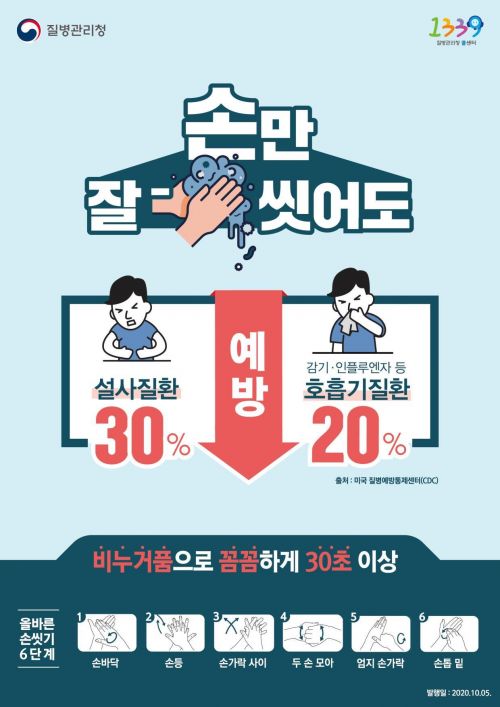
For prevention, strict adherence to personal hygiene practices such as handwashing is essential. Food ingredients should be thoroughly washed under running water and cooked completely. Both infections are transmitted through contact with hands or environments contaminated by the feces or vomit of infected patients, or through contaminated water and food.
Additionally, items contaminated with the patient’s vomit, the surrounding environment, and restrooms should be disinfected.
Because norovirus is highly contagious, if a patient is identified in childcare facilities or schools, group activities should be restricted for at least 48 hours after symptoms disappear, and it is recommended to maintain separate living spaces at home as well.
Baek Kyung-ran, head of the KDCA, urged, "To prevent norovirus and intestinal adenovirus infections, please follow hygiene rules, consume safely prepared food, and practice proper handwashing and other preventive measures."
© The Asia Business Daily(www.asiae.co.kr). All rights reserved.
![Clutching a Stolen Dior Bag, Saying "I Hate Being Poor but Real"... The Grotesque Con of a "Human Knockoff" [Slate]](https://cwcontent.asiae.co.kr/asiaresize/183/2026021902243444107_1771435474.jpg)











