[Asia Economy Reporter Jin-kyung Lee] Park Cheolsu (alias), a 34-year-old office worker, felt numbness in one side of his limbs while getting ready for work in the morning. Since he had to rush to work, he didn’t pay much attention to it and was just about to leave the front door when he suddenly felt severe dizziness and collapsed. Fortunately, his family saw this and quickly called 119, and he was promptly taken to the hospital for treatment and is now recovering safely. So why did Park Cheolsu suddenly collapse? His diagnosis was a stroke. Cardiovascular and cerebrovascular diseases and stroke symptoms can occur even at a young age, and if neglected or overlooked, they can lead to sudden death. Stroke incidence is higher in the hot summer months. Let’s take a comprehensive look at the causes, symptoms, and self-diagnosis of stroke.

● Stroke is more likely to occur in summer than in winter
Many people do not know that the probability of stroke occurrence is higher in hot summer than in cold winter. Excessive sweating in hot weather leads to dehydration, causing the blood to become sticky, which increases the likelihood of blood clots forming. Additionally, to prevent body temperature from rising due to heat, blood vessels dilate, slowing blood flow and potentially making it difficult to supply blood to brain cells. For these reasons, the risk of stroke can be higher in summer. If you have hypertension, diabetes, or a family history of stroke, you should pay extra attention to your health to prevent cardiovascular and cerebrovascular diseases during the summer.

● Can sudden death from cardiovascular and cerebrovascular diseases occur even in people in their 20s and 30s?
The frightening aspect of cardiovascular diseases is that they can lead to sudden death. Sudden death is not limited to middle-aged and older adults over 40; it can also occur in people in their 20s and 30s. Cardiovascular diseases such as angina, myocardial infarction, and cerebrovascular diseases including cerebral infarction can develop regardless of age due to various factors, so caution is necessary. Especially, hypertension, diabetes, hyperlipidemia, smoking, stress, and obesity are major risk factors for cardiovascular and cerebrovascular diseases. Therefore, even if you are young, if you have high cholesterol or a family history of hypertension or diabetes, you should manage your health carefully to prevent sudden death.

● Why is the risk of stroke higher in people in their 20s and 30s?
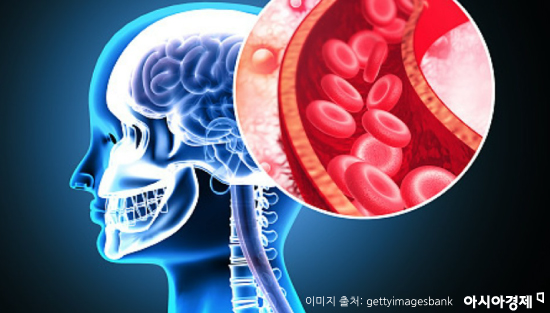
Stroke refers to diseases including cerebral infarction caused by blocked cerebral blood vessels and cerebral hemorrhage caused by ruptured cerebral blood vessels. Many people think stroke mainly occurs in middle-aged and older adults, but the number of young patients in their 20s and 30s is increasing, accounting for 5-12% of all patients. Especially, those in their 20s and 30s with dyslipidemia have a higher stroke incidence than normal individuals. Dyslipidemia refers to a condition where the good cholesterol, HDL cholesterol, decreases or the bad cholesterol, LDL cholesterol, increases. According to specialists, the longer one is exposed to abnormal cholesterol levels and triglycerides, the higher the risk of cardiovascular and cerebrovascular diseases like stroke. Therefore, people in their 20s and 30s need to improve their lifestyle and eating habits to maintain appropriate lipid levels, and regular health check-ups and consistent health management are important.
● Bad habits that cause young stroke
▶ Habit of excessive drinking
Frequent drinking and binge drinking increase the risk of atrial fibrillation, a condition where the heart beats irregularly. Therefore, if atrial fibrillation develops at a young age due to excessive drinking habits, the risk of cardiovascular disease and stroke rises sharply, so caution is needed.

▶ Extreme stress
It is impossible to live without stress, but chronic stress and depression cause irregular heartbeats, inflammation, and increased blood pressure, which are known to trigger stroke and heart disease. If you are experiencing severe stress and depression, it is important to find ways to relieve them and pay attention to mental health recovery as much as physical health.

▶ Smoking
Smoking is a fatal cause of cardiovascular and cerebrovascular diseases. People who have smoked for a long time have twice the risk of developing these diseases compared to non-smokers. The risk of stroke decreases starting two years after quitting smoking and returns to a level similar to that of non-smokers after five years. Therefore, if you have a family history, it is best to start quitting smoking immediately.

▶ Intense exercise that strains the neck
Cervical artery dissection is one of the causes of young stroke and is linked to exercises or excessive neck massages that put strain on the neck. If you suddenly feel a bursting pain in the back of your neck or head and dizziness during exercise, it may be a stroke symptom caused by excessive exercise, so you should visit a hospital immediately. Be careful not to engage in exercises that put severe strain on your neck.

● Is there a golden time critical for stroke treatment?
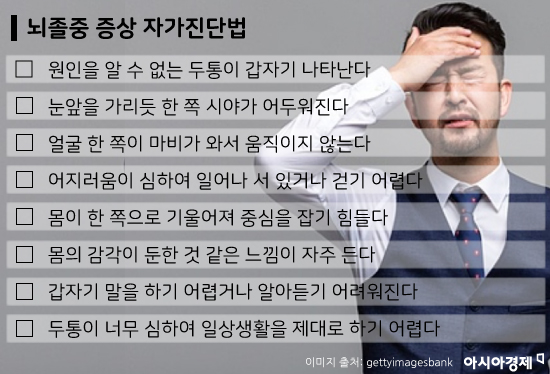
Stroke presents typical warning signs such as facial paralysis with one side of the face drooping or the corner of the mouth sagging, numbness in one limb, abnormal gaze with both eyes deviated to one side, visual impairment, consciousness disturbance, slurred speech, and difficulty understanding speech. It is difficult to revive brain cells that have died due to stroke, so treatment within the golden time is crucial. The golden time is within 3 hours after onset. If symptoms are suspected, you must quickly go to an emergency room capable of thrombolytic therapy or vascular recanalization treatment via 119 or other emergency services. It is advisable to know in advance which hospitals provide such treatments.

● How to prevent stroke that is not easy to be safe from even when young?
Instead of neglecting health because you are young, it is necessary to develop habits of managing your body from your 20s and 30s. Obesity increases the risk of stroke and is often accompanied by psychological problems such as depression, so it is good to prevent becoming overweight through dietary control and regular exercise. To prevent hypertension, a cause of stroke, avoid consuming salty foods. To prevent arteriosclerosis, stay away from foods high in cholesterol and eat fresh vegetables and fruits. From a young age, it is important to regularly check and manage your health through periodic health check-ups to monitor for hypertension, dyslipidemia, diabetes, and other health issues.

● Dietary habits to prevent stroke
▷ Reduce intake of sugar, salt, and fat
▷ Increase intake of vegetables, fruits, whole grains, nuts, and beans
▷ Consume low-fat dairy products and use plant-based oils
▷ Eat chicken or duck without skin or fish rather than red meat
▷ Avoid excessive carbohydrate intake to prevent increased triglyceride levels in the body

© The Asia Business Daily(www.asiae.co.kr). All rights reserved.



















