'Aronamin C Plus' Price Increase After 10 Years
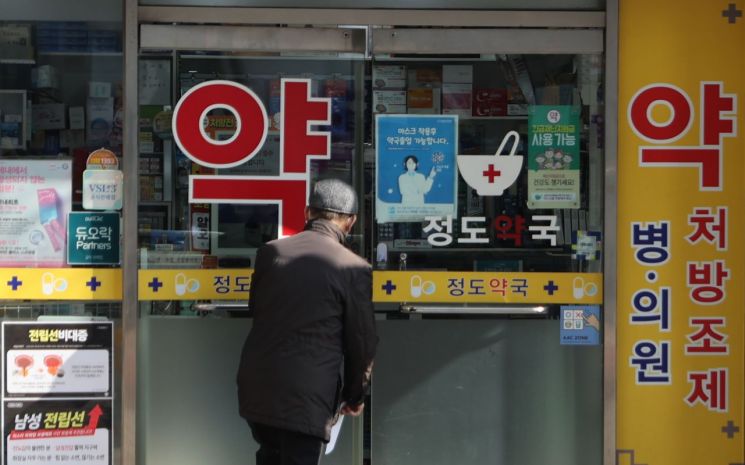
[Asia Economy Reporter Lee Gwan-joo] Inflationary pressures are affecting over-the-counter drugs commonly used at home, such as vitamins, digestive aids, and pain relief patches. Mid-sized pharmaceutical companies, unable to withstand rising raw material costs, have already raised the supply prices of their main products or plan to increase them by around 10% in the second half of this year. With ongoing cost increases, drug prices are expected to continue rising for the time being.
According to the pharmaceutical industry on the 8th, Ildong Pharmaceutical decided to raise the supply price of ‘Aronamin C Plus,’ one of its flagship vitamin products in the ‘Aronamin’ series, by 10% in the third quarter of this year. This is the first price increase for Aronamin C Plus in 10 years. GC Green Cross also plans to raise the supply price of its pain relief patch ‘Genol Cool,’ used for muscle and joint pain, by about 10%.
Many over-the-counter drugs have already seen double-digit price increases at the end of last year and in the first half of this year. The supply price of the anti-inflammatory painkiller ‘Advil,’ distributed by Pfizer Korea, was raised by 10% last month, and the supply price of Wonbidi, a representative tonic from Ilyang Pharmaceutical, also increased by 12%. Dong-A Pharmaceutical raised the supply price of ‘Bacchus’ by 10% at the end of last year, the first increase in six years.
Such price hikes were anticipated. As the COVID-19 pandemic has continued for over two years, the cost of raw materials, including ingredients for medicines and glass bottles for drinkable products, has risen. The supply price of Handok’s digestive aid ‘Festal Plus’ increased from 2,300 KRW in 2020, when the pandemic began, to 2,530 KRW in the first quarter of this year (after last year’s price increase), a 10% rise. Similarly, Kwangdong Pharmaceutical’s ‘Uhwang Cheongsimwon’ rose from 3,581 KRW to 3,919 KRW during the same period, a 9% increase.
Supply price increases inevitably lead to higher consumer costs. The supply price is the price applied when pharmaceutical companies deliver drugs to pharmacies. Currently, over-the-counter drugs are subject to a seller price display system, allowing pharmacies to autonomously set retail prices, so the final price consumers pay varies by pharmacy.
There are also expectations that over-the-counter drug prices will rise one after another in the second half of this year. The supply prices of major pharmaceutical companies’ products, such as Kwangdong Pharmaceutical’s ‘Ssanghwa-tang,’ Daewoong Pharmaceutical’s ‘Urusa,’ and Dong Wha Pharmaceutical, are expected to increase, according to the pharmaceutical distribution industry and pharmacist associations. An industry insider said, "Since there is no incentive to lower the soaring raw material prices for the time being, a domino effect of supply price increases in the second half of the year could become a reality."
© The Asia Business Daily(www.asiae.co.kr). All rights reserved.
![Clutching a Stolen Dior Bag, Saying "I Hate Being Poor but Real"... The Grotesque Con of a "Human Knockoff" [Slate]](https://cwcontent.asiae.co.kr/asiaresize/183/2026021902243444107_1771435474.jpg)
















