[Asia Economy Reporter Kim Hyung-min] Amid the Constitutional Court's repeated rulings that the Road Traffic Act, known as the 'Yoon Chang-ho Act,' which imposes aggravated punishment for repeat drunk driving offenses and refusal to undergo breathalyzer tests, is unconstitutional, the Supreme Prosecutors' Office announced on the 27th that it will apply the general Road Traffic Act provisions in frontline investigations and trials.
On this day, the Supreme Prosecutors' Office instructed all local prosecutors' offices nationwide to change ongoing investigations applying the Yoon Chang-ho Act to prosecutions under the general drunk driving regulations, while actively reflecting the aggravating factors in sentencing.
This is a follow-up measure after the Constitutional Court's ruling the previous day declared the current Yoon Chang-ho Act's provisions for aggravated punishment of drunk driving and refusal to undergo breathalyzer tests unconstitutional.
Previously, if a person caught drunk driving again after a prior offense, or if a person with a history of drunk driving refused a breathalyzer test, or if a person with a history of refusing a breathalyzer test committed drunk driving, they faced imprisonment of 2 to 5 years or fines ranging from 10 million to 20 million won.
Last year's ruling on the unconstitutionality of the Yoon Chang-ho Act found that the old law (before the June 2020 amendment), which punished repeat drunk driving offenses without distinguishing types of offenses or imposing temporal limits between offenses, was excessively harsh. The Constitutional Court extended this decision to the current Yoon Chang-ho Act the day before.
However, the Supreme Prosecutors' Office decided to continue applying the Yoon Chang-ho Act provisions as they were in cases where there is a history of refusal to undergo breathalyzer tests and the person refuses again, as this ruling has not yet been declared unconstitutional.
Furthermore, if trials are already underway, the indictment should be amended to replace the Yoon Chang-ho Act provisions with the general drunk driving regulations, and appropriate sentencing should be requested considering the aggravating factors.
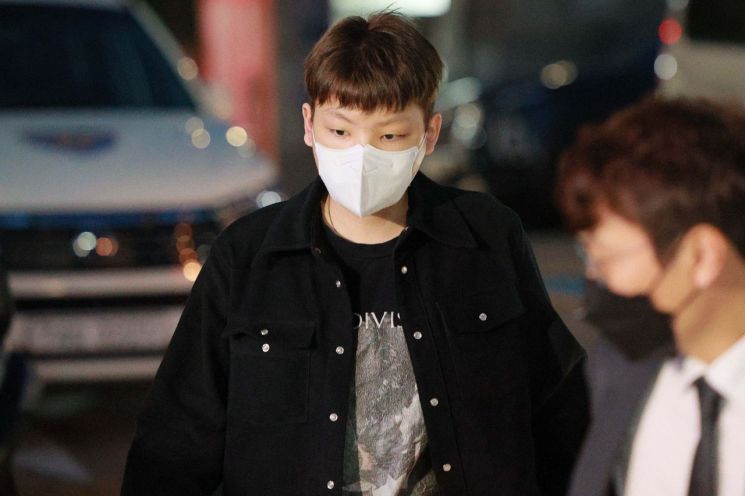
Accordingly, the charge applied in the indictment against rapper Noel (22, real name Jang Yong-jun), who was sentenced to one year in prison in the first trial for refusing a breathalyzer test and assaulting a police officer, is expected to be changed from the Yoon Chang-ho Act to the general Road Traffic Act provisions. Noel's appeal trial will hold its first hearing on the 9th of next month.
If a verdict has been issued in the first or second trial but the punishment is not yet finalized, the prosecution plans to file an appeal or a further appeal on behalf of the defendant.
Those whose verdicts have been finalized may file for retrial. The prosecution will follow retrial procedures if a retrial request is made and take measures such as amending the indictment in the newly opened trial.
© The Asia Business Daily(www.asiae.co.kr). All rights reserved.
![Clutching a Stolen Dior Bag, Saying "I Hate Being Poor but Real"... The Grotesque Con of a "Human Knockoff" [Slate]](https://cwcontent.asiae.co.kr/asiaresize/183/2026021902243444107_1771435474.jpg)

















