Price Fixing Allegations Under Investigation
Singapore, Thailand, Brunei, Japan, Hong Kong Expected to Suffer Major Impact
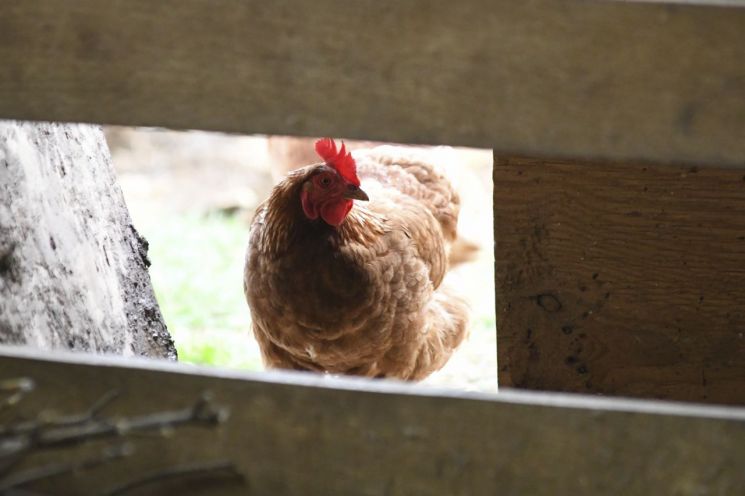
[Asia Economy Reporter Na Ye-eun] Amid the global food crisis emerging as a consequence of the Ukraine war, Malaysia has decided to halt chicken exports starting next month on the 1st.
According to Bloomberg News on the 23rd (local time), Malaysian Prime Minister Ismail Sabri Yaakob announced that from next month, the country will stop exporting 3.6 million chickens per month and will investigate allegations of price collusion.
Prime Minister Ismail stated, "The government’s Competition Commission is investigating suspicions of collusion among large corporations controlling chicken prices and production volumes," adding, "If any suppliers disrupting supply are identified, we will respond strictly wherever they are. Legal actions will also be taken."
According to the state-run Bernama News Agency, poultry shortages are occurring regionally as companies colluded over the weekend to halt farm operations.
In response, Malaysia’s Ministry of Agriculture and Food Industries is conducting investigations by meeting with 12 producers and livestock organizations, including Leong Hub Poultry Farm, HLRB Broiler, PWF Corporation Bhd, and the Malaysian Livestock Farmers Association.
Malaysia’s suspension of chicken exports is expected to significantly impact neighboring countries such as Singapore, Thailand, Brunei, Japan, and Hong Kong. In particular, Singapore imported about 34%, or one-third, of its domestic chicken consumption from Malaysia last year.
The Singapore Food Agency warned that this regulation could cause temporary disruptions in the supply of chilled chicken and urged consumers to consider frozen chicken or other meat products as alternatives.
Selena Ling, Head of Treasury Research and Strategy at OCBC Bank Singapore, said, "Temporary supply disruptions are manageable, but if protectionism continues and expands due to concerns over food security and inflation, it is worrisome."
Besides chicken, Malaysia has also abolished import permit regulations for certain items such as cabbage and condensed milk to stabilize food supply. Malaysia depends on imports for about 60% of its domestic food demand, and with the weakening of the ringgit and rising import prices, food security could be at risk.
The Malaysian government has been providing subsidies to poultry farmers since March and set a price ceiling of 8.9 ringgit (2,564 KRW) per kilogram of chicken. Subsidies have also been provided to stabilize prices of flour and cooking oil.
However, as inflation remained unchecked, last week the government abolished import permit systems for chicken, milk, and cabbage, and on this day decided to abolish the wheat import permit system along with the suspension of chicken exports.
Meanwhile, as the Ukraine war prolongs, countries are strengthening food protectionism under the banner of "food security." Previously, Indonesia temporarily banned palm oil exports to stabilize cooking oil prices but lifted the ban after 25 days; India restricted wheat exports; and Serbia and Kazakhstan imposed quotas on grain shipments to limit export volumes.
© The Asia Business Daily(www.asiae.co.kr). All rights reserved.

















