Increase Physical Activity, Maintain Proper Eating Habits, and Manage with Regular Sleep
[Asia Economy Reporter Lee Gwan-ju] During the two years of restricted outdoor activities amid the COVID-19 pandemic, the obesity rate among children and adolescents has surged. Experts explain that early management for preventing adult diseases, such as proper exercise and dietary habits, has become more important than ever.
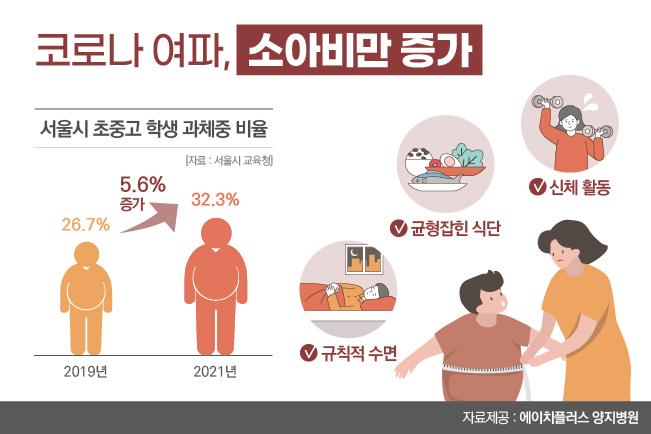
According to the medical community on the 15th, due to the prolonged COVID-19 situation and social distancing measures, children and adolescents experienced a sharp increase in obesity rates caused by reduced physical activity and unhealthy lifestyle habits. According to recent data released by the Seoul Metropolitan Office of Education, the overweight rate among Seoul students increased from 26.7% in 2019 to 32.3% last year.
The rise in obesity rates is likely to lead to early adult diseases. Dr. Yang Mu-yeol, a pediatric specialist at H Plus Yangji Hospital, stated, "As children and adolescents stayed home longer due to COVID-19, their physical activity decreased, while prolonged use of computers and smartphones and excessive consumption of delivery food led to increased obesity rates." He warned, "Child and adolescent obesity can be linked to adult diseases such as hyperlipidemia, fatty liver, hypertension, and diabetes."
During childhood and adolescence, when lifestyle habits are formed, proper dietary management is crucial. First, the increased consumption of fast food and decreased intake of fruits and vegetables, along with reduced energy expenditure due to more indoor activities, are factors that raise obesity rates. Childhood and adolescent obesity not only increases the risk of various adult diseases but can also cause growth retardation, weakened immunity, and precocious puberty. Especially during sensitive puberty, it can psychologically lower self-esteem and reduce motivation for learning, and in severe cases, may lead to depression.
Therefore, proper health management is essential to prevent childhood and adolescent obesity from developing into adult obesity. Since growth is important during this period, nutritional management with a balanced diet that reduces fat mass and promotes muscle development should be combined. For example, the diet should include a balanced intake of fish, meat, vegetables, and fats. In particular, meat is necessary to supply high-quality protein and iron. When consuming meat, it is best to choose lean cuts and accompany them with vegetables. Also, during growth periods, it is difficult to obtain necessary nutrients from just three meals a day, so snacks such as milk and fruits should be consumed between meals.
Managing obesity through lifestyle improvements is also important. Care should be taken not to skip meals or overeat. Establish regular meal times and portions and develop the habit of eating slowly. Excessively reducing meal portions to lose weight is harmful to health and growth. Additionally, multidimensional family-centered management, including healthy sleep and increased physical activity, is necessary.
Dr. Yang Mu-yeol emphasized, "It is important for growing children and adolescents to plan and practice lifestyle improvements such as a balanced diet that provides adequate nutrition and at least 30 minutes of appropriate exercise daily." He added, "Reducing time spent on smartphones and internet games and maintaining regular sleep schedules with family interest and encouragement will be a great help."
© The Asia Business Daily(www.asiae.co.kr). All rights reserved.

















