[Asia Economy Reporter Eunmo Koo] Online fashion platforms are rapidly expanding their offline presence. The strategy is to increase customer touchpoints and enhance competitiveness by complementing the weaknesses of online channels through various brand experiences that can only be offered offline.
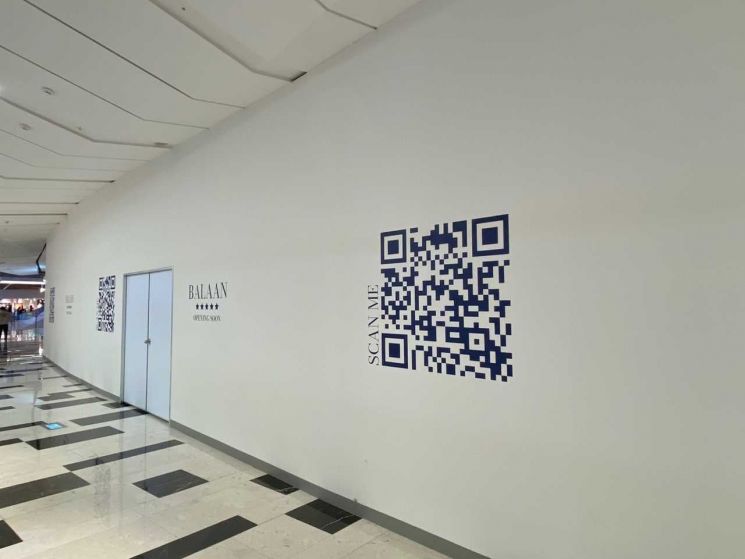
According to the fashion industry on the 14th, luxury platform Ballan is preparing to open an offline store on the L2 floor of the Yeouido International Finance Center (IFC) around August. Ballan stated that the offline store was planned to provide customized services that could not be offered in the existing online domain by utilizing purchase data and space that combine online and offline.
Mustit also unveiled a 60-pyeong offline showroom at its new headquarters in Apgujeong last December. Despite the relatively high price range of the products, this aims to solve the limitations of purchasing luxury goods online, where customers cannot see the products in person, while expanding customer touchpoints to create synergy with the online channel.
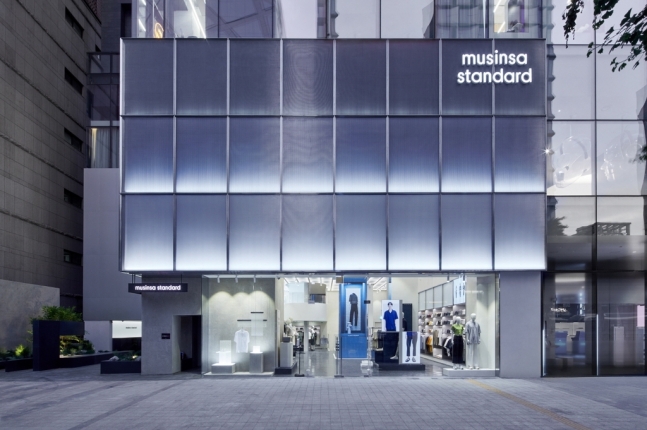
Musinsa, the strongest online fashion platform, is also actively expanding its offline stores. The 'Musinsa Standard' flagship store, which opened near Hongdae in May last year, has attracted about 800,000 visitors by the first quarter of this year, receiving a warm response. Based on the success of the first store, Musinsa is preparing to open a second store in Gangnam within this year.
The continuous expansion of offline stores by online fashion platforms stems from the judgment that it is difficult to secure competitiveness through a single online distribution channel alone. The importance of an 'omnichannel,' where various channels organically combine to maximize strengths and complement weaknesses, is growing. Professor Yonggu Seo of Sookmyung Women's University Graduate School of Business said, "Customers acquired online should be able to continue purchasing offline, and offline customers should be able to return to online purchases. Only omnichannel players can be true winners in the market."
The purpose of customers visiting offline stores is also changing. Functional consumption, such as simply purchasing goods, is resolved with one click online, while offline stores focus on experiences that can only be provided offline, such as experiencing the values pursued by the brand. A Ballan representative said, "Not only fashion commerce but the entire e-commerce industry is expected to gain competitiveness depending on how they provide experiences that allow customers to experience the entire store beyond simply selling and browsing products."
In response to these changes, Ballan plans to introduce an integrated payment system in offline stores that allows direct payment via a mobile application (app) to create an efficient shopping environment without waiting. They also plan to flexibly arrange products from steady sellers to trendy items based on online and offline customer data. Additionally, they will actively utilize IT technology to maximize customer experience, such as real-time inventory checks through the mobile app and product information verification via QR codes without price tags.
© The Asia Business Daily(www.asiae.co.kr). All rights reserved.


















