[Seoul Autonomous District News] Gwangjin-gu Operates Summer Comprehensive Measures Period from May 15 to October 15... Yangcheon-gu Prepares Heatstroke Prevention Measures for On-site Workers Related to the Serious Accident Punishment Act, Operates 283 Heat Relief Centers and 73 Heatshade Shelters, Protects Heat-vulnerable Groups, and Prepares Summer Comprehensive Measures... [Photo] Seong Chang-hyun, Yongsan-gu Mayor, Inspects ‘Smart Shade Shelters’ for Heatwave Preparedness... Yeongdeungpo-gu Invests 4.59 Billion KRW to Create a ‘People-centered’ Safe Traffic Environment... Seocho-gu Announces 2022 Individual Housing Prices and Handles Objections
[Asia Economy Reporter Park Jong-il] Gwangjin-gu is implementing the ‘2022 Summer Comprehensive Measures’ to ensure that residents can spend a safe and cool summer.
The district has designated the period from May 15 to October 15 as the five-month summer comprehensive measures implementation period to prevent various accidents such as typhoons and heatwaves, focusing on five key areas: ▲health ▲flood control ▲heatwave ▲safety ▲resolution of daily inconveniences.
First, the district is preparing for a safe summer vacation season in the post-Omicron era. Thorough safety and hygiene inspections will be conducted on 51 cultural and sports facilities, including 14 swimming pools, 9 public sports facilities, and 18 cinemas and movie theaters, as well as 37 summer peak season food manufacturing and sales businesses.
Additionally, as COVID-19 testing and treatment become available at local clinics and hospitals, testing sites will be reduced to two locations: Gwangjin-gu Public Health Center and Junggok Health Branch.
Operating hours are from 9 a.m. to 6 p.m. on weekdays (with a break from 12 p.m. to 1 p.m.) and from 9 a.m. to 1 p.m. on weekends and public holidays.
Alongside this, the district will operate the Flood and Disaster Safety Countermeasures Headquarters from May 15 to October 15. The headquarters consists of 13 task forces, including ▲overall situation management ▲traffic countermeasures ▲social order maintenance, implementing disaster prevention and recovery measures.
The district is also promoting activities to prevent flood damage caused by typhoons. Care officials numbering 77 are assigned to 49 households in flood-prone areas, maintaining a rapid response system through mutual information sharing via SNS in case of sudden heavy rain or other situations.
Furthermore, 1,609 rainwater inlet managers have been designated to remove illegal covers and check drainage status, conducting frequent inspections during weather warnings to do their utmost to prevent flood damage.
Previously, the district conducted focused inspections of flood control facilities and vulnerable areas in preparation for summer typhoon disasters. The inspection targets included a total of 197 flood-related facilities such as rainwater pumping stations, sluice gates, landslide-prone areas, and large construction sites.
Moreover, from May 20 to September 30, the district has set a four-month heatwave countermeasure period and is implementing smart heatwave measures.
This year, four cooling fog systems, which mitigate high temperatures and improve air quality, will be operated: two in district parks, one in Achasan Ecological Park, and one in Gwangjin Supnaru.
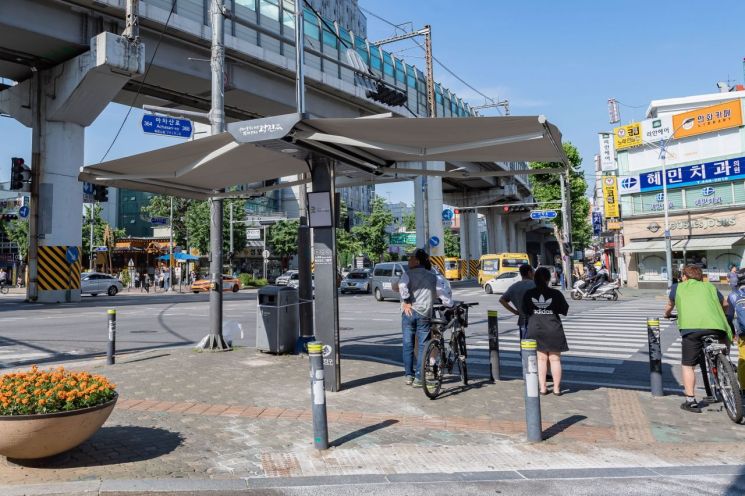
Along with this, 32 ‘smart shade shelters’ that automatically open and close in response to the surrounding environment based on IoT and solar power technology will be installed and operated, as well as ‘village bus IoT shade rest areas’ with reduced installation area but maintained functionality at 14 village bus stops.
In addition, a total of 131 shade shelters are currently operated, including 85 fixed parasol-shaped shelters near crosswalks or traffic islands.
The district places visiting nurses in each neighborhood to manage the health of heatwave-vulnerable groups such as elderly living alone and chronic patients, working alongside local welfare planners, and provides cooling supplies to low-income elderly living alone and senior job program participants.
Furthermore, patrols are conducted in major homeless areas to encourage shelter admission and return home through counseling, and relief supplies are distributed to protect homeless people on the streets, implementing comprehensive summer measures overall.
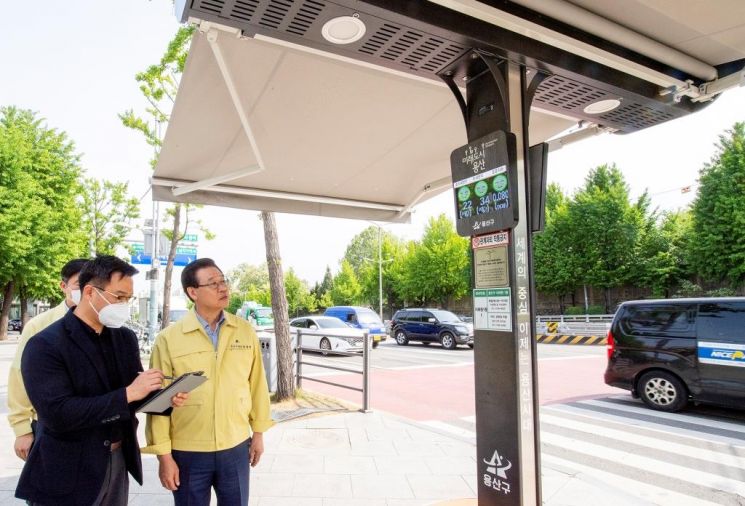
On the 11th, Yongsan-gu Mayor Seong Jang-hyun visited the Seoul Tourism Police Itaewon Center and the site of the ‘smart shade shelter’ installation on the Noksapyeong-daero traffic island to check the operation status and proper functioning.
This was to inspect the operation status of heatwave prevention facilities before the 2022 heatwave countermeasure period (May 20 to September 30).
The smart shade shelter automatically unfolds when the temperature rises above 15℃ and folds when strong winds over 7 m/s blow or the sun sets, quickly responding to climate changes.
The district began operating 98 shade shelters (32 smart shade shelters and 66 parasol shade shelters) from May 3 and plans to maintain them until the end of October.
Mayor Seong Jang-hyun said, “We will meticulously manage the automatic open-close function to ensure it operates without malfunction,” adding, “Automatic opening and closing according to weather conditions will provide residents with timely spaces to avoid heatwaves. I hope everyone safely overcomes the upcoming heat this year.”
Yangcheon-gu announced that it has completed the establishment of the ‘2022 Heatwave Countermeasure Comprehensive Plan’ to support residents’ safe summer by preventing heatwave damage and will actively implement it for four months starting from the 20th.
According to the Korea Meteorological Administration, this summer is expected to have higher temperatures than usual, with frequent high-temperature phenomena due to mobile high-pressure systems from June onward.
Accordingly, the district aims to thoroughly prevent damage and ensure safety management for vulnerable groups and facilities through proactive heatwave comprehensive measures.
From the 20th, the district will form and operate a heatwave situation management TF consisting of three teams?▲overall situation team ▲health management support team ▲administrative support team?with 13 members. When a heatwave advisory is issued, it will switch to a heatwave countermeasure headquarters with 26 members across three teams, led by the deputy mayor. Additionally, 798 disaster helpers will be separately organized to meticulously manage vulnerable groups such as elderly living alone and low-income elderly households in the community.
Especially this year, in relation to the enforcement of the Serious Accident Punishment Act, strengthened safety measures will be implemented to prevent heatstroke among summer workplace workers. Support materials such as cooling equipment (ice vests, etc.), saline glucose, and ice will be provided, along with heat illness prevention education. Work hours will be adjusted during hot periods, with group work (two-person teams), designated rest times, and rest areas to create a safe working environment in summer.
A total of 286 cooling shelters (194 indoor, 92 outdoor) will be operated. These include 153 senior citizen centers, 9 welfare centers, 18 community service centers, and 92 outdoor cooling shelters. Unlike last year, with the lifting of COVID-19 social distancing, public sports facilities (3 locations) and district libraries (9 locations) will be actively utilized to expand customized cooling shelter operations.
Eight parks, including Hanul Neighborhood Park, will visually create cool scenery during heatwaves by opening contact-type water features such as ground fountains and water play areas.
Additionally, Cooling-Fog systems spraying purified water as artificial mist will be operated along the Anyangcheon stream walking path to maintain comfortable air quality during heatwave hours.
Furthermore, 73 heatwave shade shelters have been installed and are operating at busy large intersections and crosswalks within the district, with 10 additional smart shade shelters to be installed in May to protect residents from the hot summer sun.
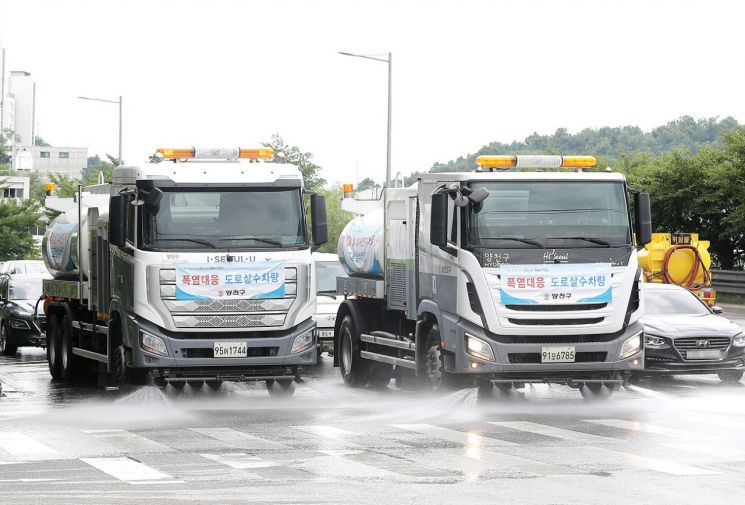
Other measures include road cleaning to prevent urban heat island effects, strengthening safety management of gas and fuel hazard facilities, focusing on energy-saving management, and maintaining cooperation systems with related organizations to prepare for power outages, concentrating administrative efforts to minimize heatwave damage.
An official from the Safety and Disaster Department said, “This summer is expected to be hotter than last year, so we will do our best to mobilize all district capabilities through proactive heatwave countermeasures to make Yangcheon-gu free from heatwave damage.”
Yeongdeungpo-gu is accelerating efforts to create a people-centered traffic safety city by implementing comprehensive measures to prevent traffic accidents in the area.
Analysis of traffic accident data in Yeongdeungpo-gu last year revealed that about 45% of fatal traffic accidents were caused by unsafe driving behaviors such as distracted driving and lack of driving skills.
There is a need for more fundamental and effective traffic policies to improve drivers’ awareness of safe driving and secure pedestrian safety.
Accordingly, the district has established the ‘2022 Traffic Safety Implementation Plan’ focusing on concrete measures for traffic safety vulnerable areas with the goal of reducing traffic fatalities by 20% this year.
The plan includes 20 projects across four areas: road traffic, vulnerable road users, bicycle traffic, and advanced traffic culture.
The district plans to invest a total budget of 4.59 billion KRW this year to create a traffic environment where both pedestrians and drivers can feel safe, prioritizing the protection of residents’ lives and property.
Detailed initiatives include five projects in the road traffic sector, such as establishing a comprehensive traffic basic plan; five projects in the vulnerable road users sector, including safe school routes; four projects in the bicycle traffic sector, such as bicycle infrastructure development; and six projects in the advanced traffic culture sector, including installation of unmanned cameras.
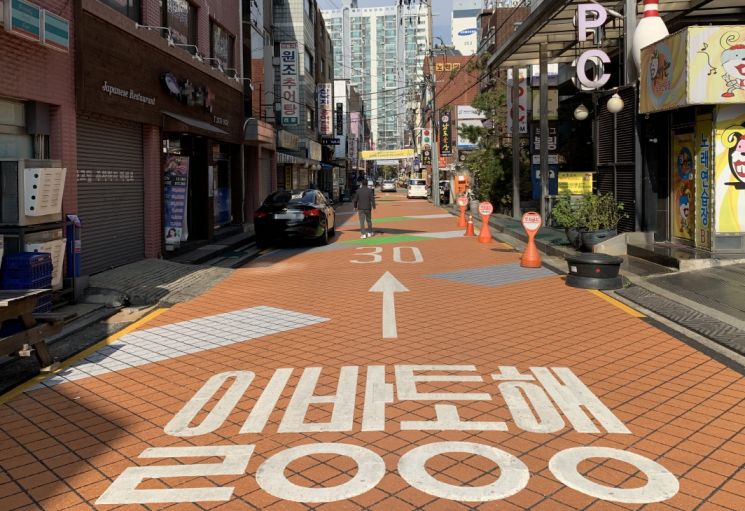
In particular, the district has prepared various projects focusing on improving environments around crosswalks and side streets, which are high-risk areas for pedestrian accidents. These include installing runway-type safety facilities at signal-free crosswalks, creating yellow zones in school child protection areas (road boundary stone marking projects), installing violation enforcement cameras, establishing smart crosswalks, installing colored pedestrian paths, and expanding pedestrian-priority and friendly roads to strengthen traffic safety infrastructure.
Last year, the district significantly increased the traffic safety budget to 5.6 billion KRW and concentrated efforts on preventing traffic accidents in the area. Focused improvements on school routes resulted in a remarkable 33% decrease in traffic accidents involving children and adolescents compared to the previous year.
A district official said, “Continuous large-scale budget investments in school route improvements have dramatically reduced traffic accidents involving children and adolescents in the area,” adding, “This year, we will implement various improvement projects not only on school routes but also on crosswalks and side streets to create a traffic environment where residents can walk safely.”
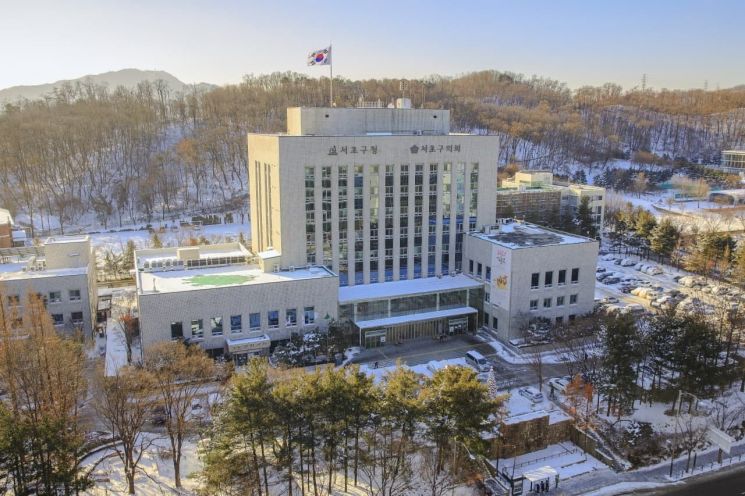
Seocho-gu announced that it has determined and publicly notified individual housing prices as of January 1, 2022, on April 29, and will accept objections until the 30th.
Individual housing prices are calculated collectively for detached houses, multi-family houses, and their attached land, and are used as the basis for various taxes such as property tax, acquisition tax, and comprehensive real estate tax, as well as for calculating health insurance premiums, making it necessary for homeowners to review them carefully.
The housing subject to this announcement includes 5,633 individual houses in the district, with the average increase rate of individual housing prices in Seocho-gu this year at 12.45%, similar to last year’s 12.69%.
Homeowners or interested parties can view individual housing prices through the Real Estate Public Price Information website, the district office’s Property Tax Division, or local community service centers.
Those who have objections to the housing prices can submit an objection form in person, by mail, or fax to the Property Tax Division or community service centers by the 30th. Online applications are also available through the Real Estate Public Price Information website.
Submitted objections will be re-investigated for price appropriateness, verified by the Korea Real Estate Board, and reviewed by the Real Estate Price Public Notice Committee, with individual notifications expected by June 24. For detailed information, inquiries can be made to the district office’s Property Tax Division.
Meanwhile, prices for apartments, multi-family, and row houses surveyed and calculated by the Ministry of Land, Infrastructure and Transport can also be viewed and objected to during the same period via the Real Estate Public Price Information site, the Ministry’s call center, or the district office’s Property Tax Division and community service centers.
Park Yoon-gi, head of the Property Tax Division, said, “We will strive to ensure the proper calculation of individual housing prices, which directly affect residents’ property, and provide trustworthy administration.”
© The Asia Business Daily(www.asiae.co.kr). All rights reserved.



















