KHNP Egypt Nuclear Power Plant Contract Delay... 'Uncertain' Due to Ukraine Crisis
Contract Partner Russian State Nuclear Company... Not a 'Safe Zone' from Sanctions Against Russia
KHNP "Negotiations Taking Longer Than Expected... Not Unrelated to International Situation"
Possibility of Russian Default Also a Variable... Policy to Trade in Rubles with Unfriendly Countries
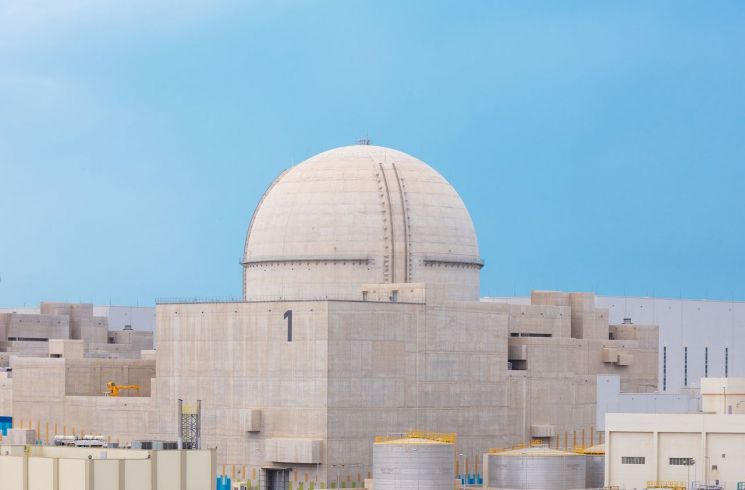 Korea's first exported nuclear power plant, the Barakah Nuclear Power Plant in the United Arab Emirates (UAE). Commercial operation began in April last year. [Image source=Yonhap News]
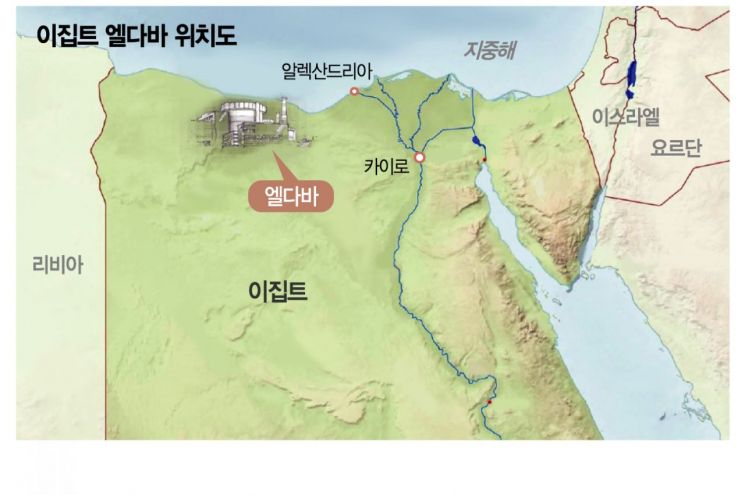
[Asia Economy Sejong=Reporter Lee Jun-hyung] As the Ukraine crisis enters a prolonged phase, Korea Hydro & Nuclear Power (KHNP) faces a dilemma with the second phase of the El-Dabaa nuclear power plant construction project in Egypt. The El-Dabaa project, which holds symbolic significance as the resumption of K-Nuclear power plant exports after 13 years, is currently dominated by a Russian state-owned company, making both contract signing and withdrawal difficult.
According to data submitted by KHNP to Assemblyman Cho Jung-hoon of the Transition Korea Party on the 3rd, KHNP has yet to finalize the El-Dabaa nuclear power plant contract. Previously, KHNP was selected as the sole negotiation partner for the second phase construction contract of the El-Dabaa nuclear power plant, including the turbine building, at the end of last year. KHNP had publicly declared its intention to sign the formal contract by the end of last month.
The El-Dabaa nuclear power plant is a large-scale project worth $30 billion (approximately 38 trillion KRW). The second phase construction accounts for about 5-10% of the total project cost. KHNP’s share is at least several trillion won.
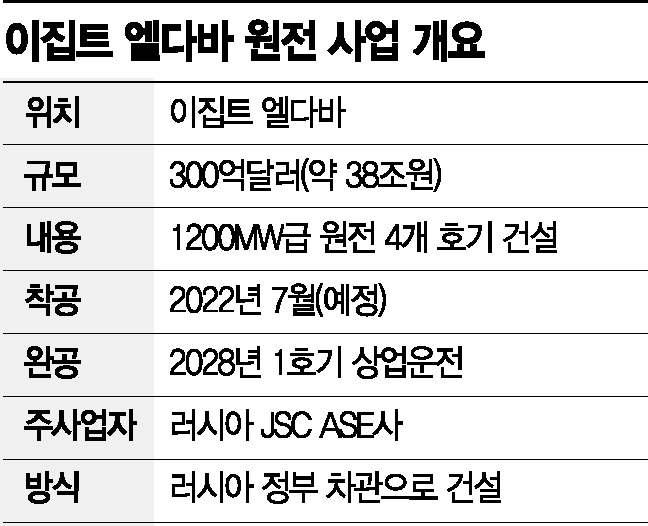
The problem lies in the fact that the main contractor of the El-Dabaa nuclear power plant is the Russian state-owned nuclear company Rosatom. Rosatom secured the entire El-Dabaa project rights in 2017. The contracting party for the second phase construction project that KHNP is pursuing is JSC ASE, a subsidiary of Rosatom. If KHNP undertakes the second phase construction, it would effectively become a subcontractor under Rosatom.
Initially, KHNP was the favored candidate for this project. The El-Dabaa nuclear power plant is similar to the Barakah nuclear power plant in the United Arab Emirates (UAE), which KHNP successfully secured and constructed in 2008, as both are nuclear plants built in desert environments. In fact, Rosatom is reported to have highly valued KHNP’s expertise in desert nuclear power plants.
However, the Ukraine crisis emerged as an unexpected variable. As South Korea actively joined sanctions against Russia, the two countries began to confront each other. Recently, Russia designated South Korea as a non-friendly country and imposed measures such as export restrictions and suspension of visa issuance. Under these circumstances, both KHNP and Rosatom inevitably find it burdensome to enter into multi-trillion won contracts with each other.
KHNP also acknowledged that the El-Dabaa nuclear power plant is not a ‘safe zone’ from the impact of sanctions against Russia. A KHNP official stated in a response submitted to Assemblyman Cho’s office, "The delay in the El-Dabaa nuclear power plant contract is due to the project’s scale being in the ‘trillion’ won range, which requires more time for negotiations than expected," adding, "However, it is not unaffected by the international situation."
The project structure of the El-Dabaa nuclear power plant further complicates KHNP’s concerns. Approximately 85% of the total project cost, about $25 billion, is financed through a loan from the Russian government. Given the possibility of a default by the Russian government amid stringent sanctions from major countries including the United States, there is concern that loan disbursement could face difficulties. Russia’s policy to require payment in rubles for transactions with non-friendly countries is also analyzed as a factor contributing to contract delays.
The industry is worried about the possibility of contract cancellation. Rosatom plans to commence construction of the El-Dabaa nuclear power plant in July. With only about two months left until the start of construction, if negotiations do not accelerate, there is concern that Rosatom may seek other contractors.
An official from the nuclear power industry said, "The El-Dabaa nuclear power plant was highly anticipated as a large-scale export after 13 years since 2009," adding, "I believe diplomatic support from the government is necessary."
© The Asia Business Daily(www.asiae.co.kr). All rights reserved.



















