[Seoul District News] ‘2022 IFSC Sports Climbing World Cup’ Held June 6-8 at Yongma Waterfall Park Jungnang Sports Climbing Stadium; Athletes Cheon Jongwon, Seo Chaehyun Participate... Dongdaemun-gu Conducts Risk Assessments by June 6 to Prevent Workplace Accidents and Promote Safety Culture... Seocho-gu Installs Wild Dog Traps to Protect Residents... Gwangjin-gu Conducts Flood Disaster Preparedness Training at Yukgapmun Gate... Gwanak-gu Recruits 430 Seoul Citizens for Safe Jobs in Second Half of 2022
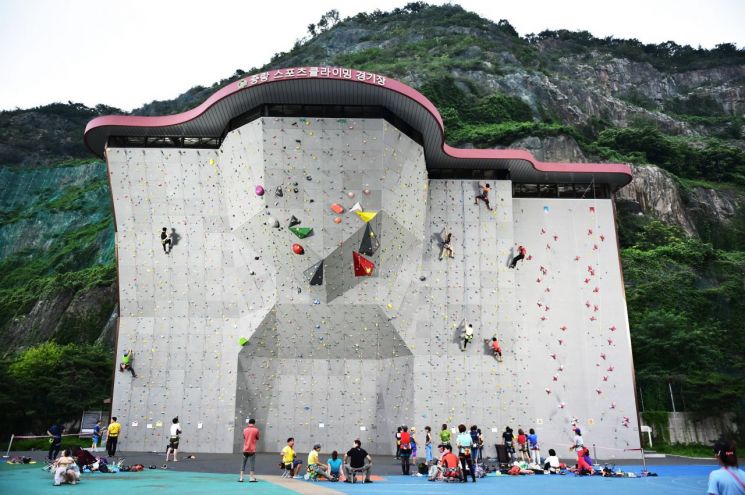
[Asia Economy Reporter Park Jong-il] The ‘2022 IFSC Sport Climbing World Cup’ will be held for three days from May 6 to 8 at the Jungnang Sports Climbing Stadium in Yongma Waterfall Park, Jungnang-gu.
This World Cup will feature two events: bouldering and speed, with about 200 athletes from over 20 countries participating. From Korea, athletes such as Cheon Jong-won and Seo Chae-hyun, who are preparing for the 2022 Hangzhou Asian Games following the 2020 Tokyo Olympics, will compete.
The schedule includes speed preliminaries and finals on the 6th, bouldering preliminaries on the 7th, and bouldering semifinals, finals, award ceremony, and closing ceremony on the 8th.
Co-hosted by the International Federation of Sport Climbing (IFSC) and the Korea Alpine Federation, and sponsored by Jungnang-gu, the IFSC Sport Climbing World Cup has returned to Korea after a long time. It was previously held in Chuncheon, Gangwon Province in 2010 and Mokpo, Jeollanam-do from 2012 to 2014, marking an 8-year gap. This is the first time the IFSC Sport Climbing World Cup is held in Seoul, specifically in Jungnang-gu. Tickets sold out within 20 minutes of opening, showing great interest from spectators.
An official from the district said, “We are pleased to host the first international climbing competition in Seoul at the proud Yongma Waterfall Park Sports Climbing Stadium in Jungnang-gu. We hope this event will elevate the status of Korean climbing and provide an opportunity for climbing to become more familiar to the public.”
The IFSC Sport Climbing World Cup has been held annually worldwide since 1999. It features three events: lead, bouldering, and speed, with male and female national representatives aged 16 and older eligible to participate.
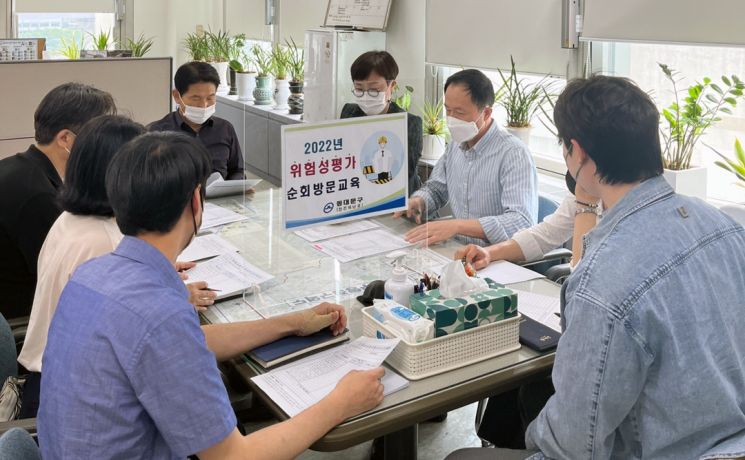
Dongdaemun-gu (Mayor Yoo Deok-yeol) is conducting a risk assessment for the prevention of major accidents at workplaces in the district until the 6th to promote safety culture and prevent workplace disasters.
This risk assessment, conducted under the ‘Serious Accident Punishment Act,’ focuses on identifying harmful and dangerous factors that may occur at workplaces, checking the possibility and severity of injuries and illnesses among workers. The results will be used to improve working environments and enhance safety to prevent workplace accidents.
Instead of outsourcing to consulting firms, the district has prepared a customized risk factor checklist reflecting the characteristics of major sites, allowing workplaces to conduct risk assessments directly.
Additionally, safety and health managers visit workplaces to provide guidance and education, encouraging worker participation to ensure more accurate and meaningful assessments.
An official from the district stated, “We are conducting risk assessments so that workplaces can identify and improve harmful and dangerous factors themselves. We will strive to foster a safety culture where all workers maintain awareness of safety and proactively prevent and respond to accidents.”
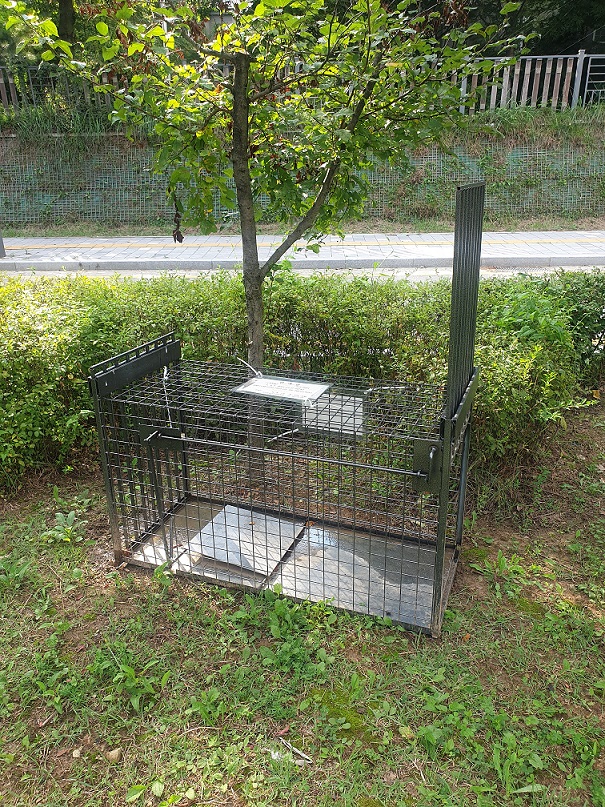
Seocho-gu is launching a large-scale capture operation targeting feral dogs and abandoned dogs.
The district announced plans to install eight capture cages by November in areas where feral dogs frequently appear and where complaints have been reported.
This is to proactively prevent dog bite accidents caused by wild feral dogs, which have recently appeared around hiking trails of Umyeonsan and Cheonggyesan mountains and residential areas, causing anxiety among residents.
Feral dogs are those raised as pets but abandoned or lost, living and breeding in the mountains. They tend to be aggressive, and encounters with them can lead to serious accidents.
The capture cages measure 550cm wide x 1530cm long x 1850cm high. Dog treats and other bait are placed inside to lure and capture feral dogs. Captured dogs are handed over to animal rescue associations. Additionally, banners encouraging residents to report sightings of feral dogs will be installed around the cages.
The district has also established cooperation systems with related organizations for capturing feral and abandoned dogs. In April, Seocho-gu coordinated with Seocho Fire Station so that in emergencies involving feral dogs threatening residents’ lives, the 119 Safety Center can dispatch teams to rescue the dogs and transfer them to animal rescue associations. The district also collaborates with Naegok Police Station in Naegok-dong, where feral dog complaints are frequent, sharing related incidents monthly for monitoring.
Going forward, the district plans to patrol at least once a week around the cage installation sites and add more cages based on reports of feral dog appearances.
Meanwhile, Seocho-gu is working to foster a mature pet culture. In March, it conducted a joint public-private animal protection campaign and plans to implement animal registration and protection campaigns to prevent abandoned dogs from becoming feral. The district will also actively crack down on violations of the Animal Protection Act, such as failure to leash dogs during outings, in cooperation with Seocho Police Station and related agencies.
Park Woo-man, Director of the Job and Economy Division, said, “Through these measures, we will strive to prevent dog bite accidents in advance and create a safe living environment for residents.”
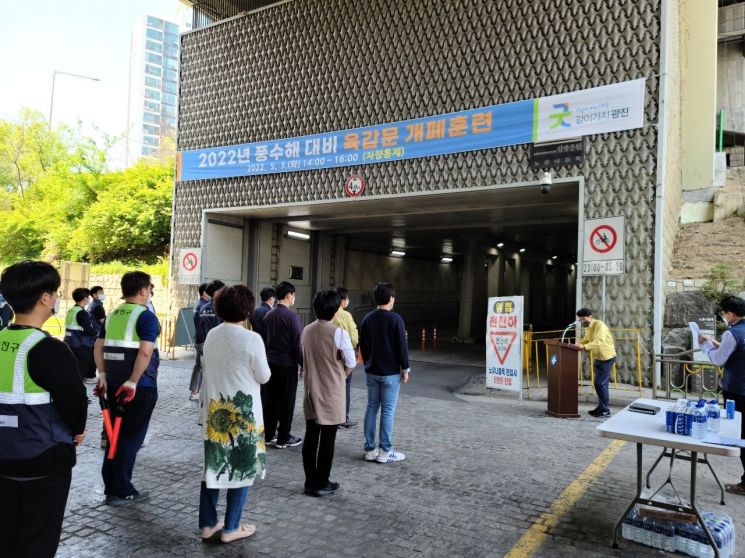
Gwangjin-gu strengthened its disaster response capabilities by conducting a ‘Yukgapmun gate opening and closing drill’ on the 3rd to enhance the disaster handling skills of flood control personnel.
The drill simulated a scenario where the Han River water level rises due to increased discharge from Paldang Dam during a typhoon, conducted in front of the Noyu Interchange.
About 40 participants, including flood disaster safety headquarters personnel, honorary gate managers, Seoul Gwangjin Police Station, and facility inspection officials, attended to establish mutual cooperation systems.
The Yukgapmun is a floodgate installed at interchanges on the Han River to prevent river water from entering the embankment when the water level rises, allowing vehicles and pedestrians to pass safely.
In Gwangjin-gu, there are the Noyu Interchange, Jayang Central Interchange, Jayang Interchange, Ttukseom Interchange, and Byeokcheon Interchange.
The Yukgapmun in Gwangjin-gu is closed when the Paldang Dam discharge exceeds 15,500 tons per second, the external water level gauge at Jayang Pump Station reaches 12.6m or higher, or when the discharge exceeds 13,400 tons per second three hours before closing. The gate is opened when the Han River water level falls to the embankment.
After the drill, the district divided inspectors into two teams to conduct test operations and inspections at the remaining four sites, concluding the Yukgapmun gate opening and closing drill.
The district plans to protect residents’ safety from flood damage through thorough inspections and management to prevent safety accidents.
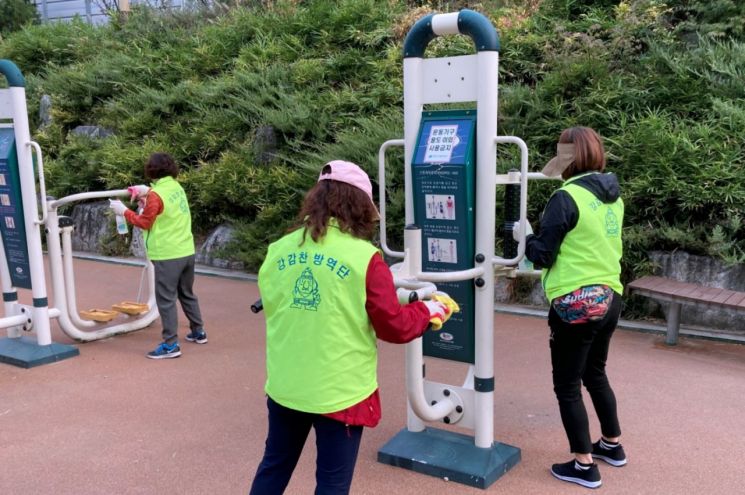
Gwanak-gu is recruiting participants for the ‘2022 Second Half Seoul Citizen Safe Jobs (Public Work)’ program to support the livelihood and employment stability of low-income groups, vulnerable workers, and unemployed individuals facing economic difficulties due to the prolonged COVID-19 pandemic.
Applicants must be Gwanak-gu residents aged 18 or older with the ability to work as of the project start date.
Additional points will be given to residents who lost jobs or businesses due to COVID-19. Comprehensive screening will consider assets, income, and participation history. However, those with assets exceeding 400 million KRW, income above 70% of the median income, or two participants from the same household will be excluded.
The application period is from May 3 to 10. Interested residents can check the district office website (News → Recruitment Notices) and apply in person at their local community service center with the required documents.
A total of 430 participants will be selected (100 youth, 170 under 65, 160 aged 65 or older).
Working hours are five days a week, 3 to 5 hours per day (5 hours for under 65, 3 hours for 65 and older), with benefits including enrollment in four major insurances, paid holidays, and weekly/monthly allowances.
The project period is five months from July 1 to November 30, with final selections notified individually by June 28.
Selected participants will be assigned to various district departments and community centers based on preferences, experience, and health status, performing tasks such as life quarantine and safety, public service support, and environmental maintenance.
An official from the district said, “We will do our best to provide public jobs to residents affected economically by COVID-19, mitigate employment shocks, stabilize residents’ lives, and revitalize the local economy.”
© The Asia Business Daily(www.asiae.co.kr). All rights reserved.



















