Average concentration decreased by 11% from 27㎍/㎥ to 24㎍/㎥ compared to the past 3 years
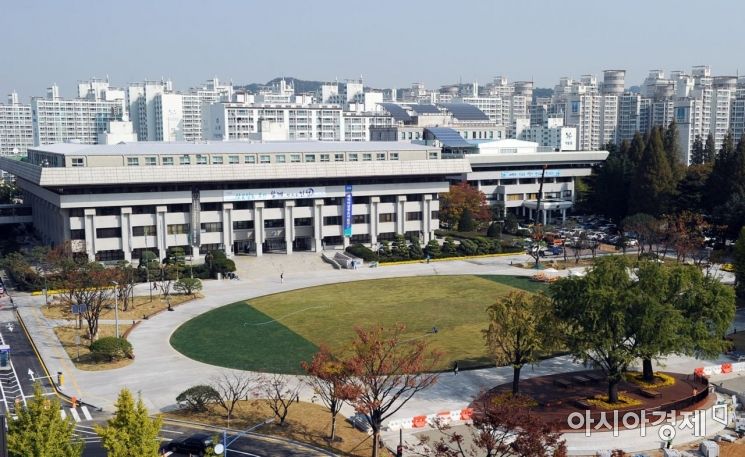
[Asia Economy Reporter Park Hyesook] Incheon City implemented the 3rd Seasonal Fine Dust Management System from December last year to March this year, resulting in an improvement in ultrafine dust concentration compared to the average of the past three years.
According to the city on the 26th, during this period, the concentration of ultrafine dust (PM-2.5) in Incheon was 24㎍ (micrograms)/㎥, lower than that of Seoul and Gyeonggi, and decreased by 11% compared to the three-year average of 27㎍/㎥.
During the seasonal management period, the number of days with "Good" ultrafine dust levels (15㎍/㎥ or less) was 35 days, which is 5 days more than the three-year average, and the number of "Bad" days (36㎍/㎥) was 24 days, two days fewer than the three-year average.
The city analyzed that various fine dust reduction measures implemented during the seasonal management period were effective in improving the air environment.
During this period, the city implemented measures to reduce fine dust, including limiting the operation of Yeongheung Thermal Power Plant, voluntary reduction of pollutants by large business sites, cleaning roads spanning 200,000 km, and shortening operations at public workplaces during emergency reduction measures.
Especially in spring, when fine dust concentration is highest throughout the year, the city conducted special inspections of emission workplaces using advanced equipment such as drones, expanded the operation of road cleaning vehicles on intensive management roads, intensified crackdowns on illegal burning, and strengthened guidance and inspections of multi-use facilities.
Meanwhile, Incheon City will support 16.8 billion KRW for reducing old diesel vehicles, 21.3 billion KRW for installing prevention facilities at small-scale business sites, and 3.7 billion KRW for distributing low-NOx boilers for households to encourage participation in fine dust reduction by businesses and citizens this year.
Additionally, considering the air environment characteristics without regional boundaries, the city is maintaining a cooperative system with neighboring local governments such as Seoul and Gyeonggi and is preparing and promoting joint response measures.
© The Asia Business Daily(www.asiae.co.kr). All rights reserved.
![Clutching a Stolen Dior Bag, Saying "I Hate Being Poor but Real"... The Grotesque Con of a "Human Knockoff" [Slate]](https://cwcontent.asiae.co.kr/asiaresize/183/2026021902243444107_1771435474.jpg)
















